
Shopping: Shopping & Retail in 2025: Gen Z, Millennials, and the Rise of Omni-Channel Deal Hunters
- InsightTrendsWorld

- Aug 28
- 6 min read
What is the Modern Shopper Trend?
The modern shopper trend refers to how young consumers—especially Gen Z and Millennials—actively blend online and in-store shopping, leverage mobile apps, social media, and new platforms like TikTok Shop and resale sites to find products and deals. These shoppers switch channels based on their needs, the product, and the deal, making personalization and seamless recommendations a top expectation.
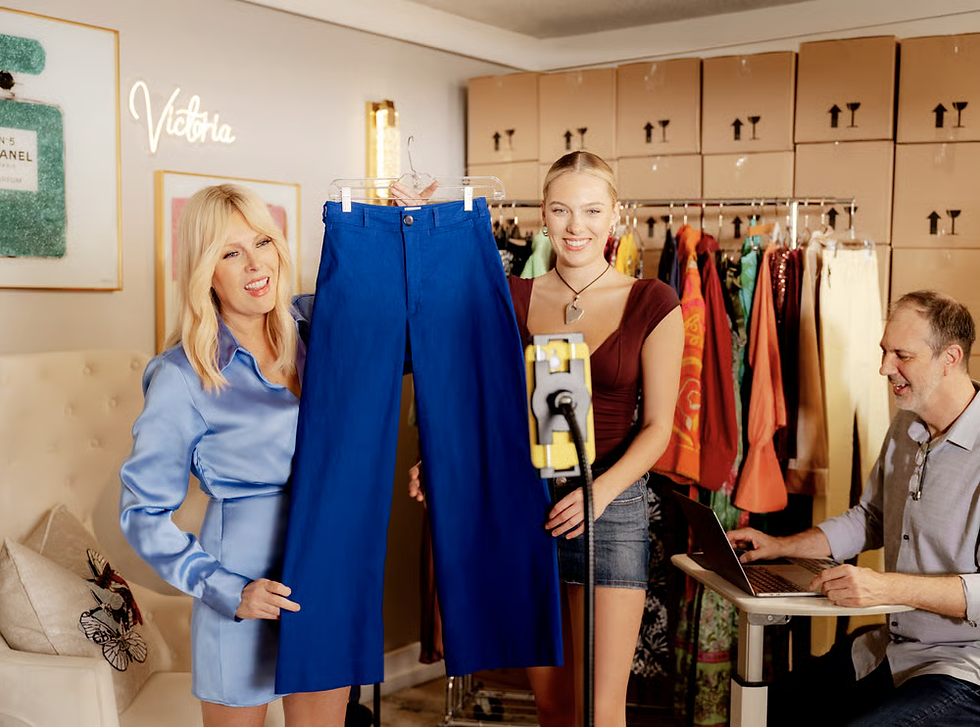
Gen Z and Millennials use apps, livestreams, and social platforms for both product discovery and purchasing, not just entertainment.
They move easily between online marketplaces (Amazon, Temu) and brick-and-mortar stores, sometimes shopping across multiple channels for a single item.
Social commerce (mainly TikTok Shop) and discount-driven platforms are now central in the buying journey, influencing what gets bought and where.
Young people expect guidance—through peer reviews, AI-driven recommendations, or knowledgeable staff—to improve their experience.
There is heightened demand for discounts, personalized offers, and advice during the shopping process.
Why it is the Topic Trending: Shopping Goes Social, Personalized, and Platform-Driven
Young shoppers use multiple channels for discovery, price comparison, and actual purchasing—including livestreams, resale markets, and traditional retail.
Digital platforms make deal-hunting easier, making price comparison and discount-seeking a core part of every purchase.
Social influence, especially from TikTok and influencers, shapes what and where young people shop.
Gen Z and Millennials feel “in control” when they can customize, research, and choose from countless retail options.
Shopping habits are evolving quickly; brands must adapt to stay relevant among younger buyers.
The traditional retail landscape is shifting toward omnichannel convenience, speed, and social engagement, driven by digital natives who value flexibility and transparency in their purchases.
Overview: Young Shoppers Redefine the Retail Experience
Gen Z and Millennials now shop as part of their lifestyle—switching between mobile, desktop, and in-person stores fluidly. They seek out value, enjoyment, and personalized experiences; shopping isn’t just about acquiring products but expressing individuality, socializing, and content creation. Retailers must understand that personalization, convenience, and authenticity shape every step of the customer journey in 2025.
Detailed Findings: How Gen Z and Millennials Shop Today
Nearly half of Gen Z adults in the U.S. shop online weekly, but a majority still shop in-store, often for social or experiential reasons.
Clothing, footwear, technology, beauty, and entertainment remain top categories for online purchases. TikTok Shop and resale platforms are surging in popularity, especially for deals and trending items.
Young people use social media for product discovery, comparison, and recommendations; influencer content and peer reviews strongly affect decisions.
Many use features like “buy online, pick up in store” and leverage QR codes or mobile rewards programs in-store.
Price and value are prioritized, with many actively seeking out discounts and promotions before buying.
Personalization—such as product recommendations and tailored experiences—is key to loyalty and frequent purchasing.
There’s an increasing openness to buying secondhand or pre-owned goods, reflecting both sustainability concerns and budget-savviness.
Key Success Factors of Modern Shopping: The Gen Z and Millennial Advantage
Seamless user experiences across apps, sites, and stores, with mobile-first design and fast checkout.
Personalization powered by AI and data, driving relevant recommendations and exclusive deals.
Social influence and peer validation, making shopping collaborative and content-driven.
Omnichannel service—integrating online and offline for discovery, purchase, and returns.
Transparency around pricing, sustainability, and brand values, securing long-term loyalty.
Key Takeaway: Shopping is Now Omnichannel, Social, and Smart
Young consumers are shaping retail around flexibility, personalization, and value. Brands must provide seamless journeys—letting shoppers move between online, in-store, and social platforms—while delivering deals, authentic engagement, and support.
Main Trend: The Omni-Channel Shopping Revolution
Retail is anchored by connected, platform-agnostic shoppers who prize personalization, speed, and transparency. Social media, influencer trends, and mobile-first tech are pivotal to the experience and purchasing journey.
Description of the Trend: Deal-Driven, Social-First Shopping
Shopping habits among young consumers are defined by active channel-switching, social influence, and value-seeking. The desire for discounts, guidance, and unique experiences drives their choices, transforming retail into a dynamic, tech-powered ecosystem.
Key Characteristics of the Core Trend: Mobile, Social, Personal, and Value-Focused
Frequent use of smartphones and apps for product discovery, research, and checkout.
Active engagement with influencer content, reviews, and peer guidance across platforms.
Preference for flexible shopping—moving between home, store, and online environments.
Strong orientation towards deals, sales, and secondhand options.
Loyalty to brands with authentic, transparent, and ethical values.
Market and Cultural Signals Supporting the Trend: The Rise of the Hybrid Retailer
TikTok Shop, Temu, and other non-traditional marketplaces profoundly shape item popularity and pricing.
Resale, discount stores, and livestream shopping are increasingly mainstream among teens and young adults.
In-store shopping is valued for its immediacy and social-image enhancement—often shared on social media.
Brands are investing in AI, tech-powered personalization, and integrated channel experiences.
Peer recommendations and influencer endorsements hold more weight than traditional ads.
What is Consumer Motivation: Driven by Choice, Value, and Guidance
The ability to personalize, research, and compare products at speed is paramount.
Discounts, exclusive deals, and seamless experiences motivate frequent purchases.
Social validation—through content sharing and trend participation—drives discovery and status.
Convenience and instant gratification fuel channel-switching and rapid adoption of new tech features.
Guided experiences, whether from peers or AI, enable smarter shopping.
What is Motivation Beyond the Trend: Identity, Expression, and Tech Adoption
Young shoppers view purchases as ways to project individuality and curate personal style.
Flexibility to mix in-store and online shopping reflects lifestyle needs.
Novelty—trying new apps, platforms, and channels—adds interest and enjoyment.
Sustainable choices and ethical values increasingly shape brand preferences.
Descriptions of Consumers: The Digital-First, Mobile Shopper
Consumer Summary:
Tech-oriented, research-driven, and expressive; mostly Gen Z and Millennials ages 13-39.
Social shoppers, moving seamlessly between offline and online worlds; frequent buyers but selective about value.
Crave instant access, peer validation, and personalized recommendations.
Open to secondhand shopping for savings and sustainability; value transparency and authenticity.
Detailed Summary:
Who are they? Gen Z and Millennials, urban and suburban, digital natives and early tech adopters.
What is their age? 13-39, with specific behaviors shifting between teens, young adults, and older Millennials.
Gender? Balanced overall; with specific categories (e.g., fashion, electronics) showing gender skews.
Income? Broad range, higher spend among employed urban Millennials; budget-consciousness common.
Lifestyle? Busy, mobile, social; blending convenience, value, and self-expression in shopping habits.
How the Trend Is Changing Consumer Behavior: Shopping is Faster, Smarter, and More Social
Young consumers conduct multi-channel research, compare prices, and read reviews before buying.
In-store purchases are often supplemented by online scanning, research, and sharing.
The line between shopping and content creation is blurring; many share purchases, mall visits, and deals online.
Social shops and platforms drive viral purchases and trends, accelerating adoption of new brands.
Personalized offers and tech-enabled guidance increase satisfaction and repeat buying.
Implications Across the Ecosystem: Retailers Must Adapt or Fade
For Consumers: More channels, better deals, and enhanced convenience at their fingertips.
For Brands: Must engage authentically, offer omnichannel flexibility, and build trust through values and transparency.
For Retail Platforms: Continuous investment in personalization, AI, seamless tech, and social commerce is essential.
For Physical Retailers: In-store experience must be sharable, interactive, and integrated with digital tools.
Strategic Forecast: Socialization, Tech, and Sustainability Lead
Social commerce and livestream shopping will claim a bigger share of retail.
AI-driven personalization and predictive buying will be standard.
Ethical, sustainable brands will gain market share as young shoppers prioritize values.
Experiential retail (in-mall events, interactive stores) will drive in-person visits.
Resale, discount, and subscription models will continue expanding.
Areas of Innovation: Retail’s New Directions
Livestream Shopping: Real-time, interactive purchase experiences through social platforms.
AI-Powered Recommendations: Data-driven personalization at every touchpoint.
Secondhand & Discount Marketplaces: Continued growth of circular and value-driven shopping.
Mobile-First Loyalty Programs: Rewards, offers, and gamified engagement for app users.
Omnichannel Experience Design: Integrated platforms for seamless movement between virtual and physical stores.
Summary of Trends
Trend | Name & Description |
Consumer | Omni-Channel Shopper—multi-device, multi-platform, frequent research and buying |
Social | Social Commerce Surge—peer validation, sharing, and influencer-driven adoption |
Strategy | Tech-Enabled Personalization—AI, data, and mobile-first shopping journeys |
Industry | Hybrid Retail Ecosystem—flexible, digital and physical integration |
Motivation | Value and Identity—shopping for discounts, self-expression, and convenience |
Final Thought: Gen Z and Millennials are Setting the Course for a Retail Revolution
In 2025, shopping is smarter, faster, and more connected than ever before. Brands that adapt to the social, tech-forward, and values-driven habits of young consumers will not only drive sales, but also become part of their digital lifestyle. The future belongs to those who innovate and inspire, keeping pace with the next generation of omni-channel deal hunters.


Comments