
Beauty: The Aesthetic of Exhaustion: Why "Tired Girl Makeup" is the Ultimate Rejection of Perfection Culture
- InsightTrendsWorld

- 12 hours ago
- 10 min read
Why The Trend Is Emerging: From Airbrushed Masks to Human Truth
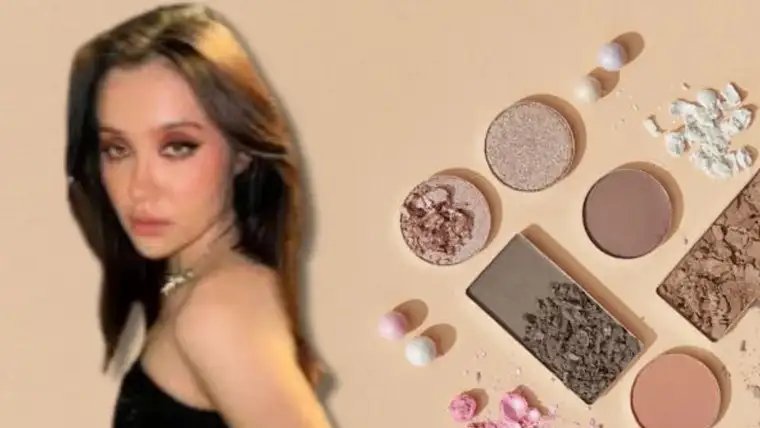
The "Tired Girl Makeup" trend is a radical move away from the "glass skin" and high-glam standards that have dominated beauty aisles for a decade. This shift is driven by a global burnout from digital filters, as consumers look for ways to express the "soft chaos" of real life rather than pretending to be flawless. By leaning into visible under-eye shadows and smudged liner, people are turning exhaustion into an intentional look that values character over correction.
Tiredness is being reframed as a sign of a "lived-in" life rather than a problem that needs to be fixed.
The look takes inspiration from 1990s grunge and soft goth styles, focusing on messy, diffused textures.
Heavy foundations are being replaced by light skin tints that allow pores and freckles to stay visible.
Smudged, intentional imperfection replaces razor-sharp eyeliner, making the look feel intimate and relatable.
Minimalist beauty rituals are gaining ground as people stop pretending they slept a full eight hours.
Virality of Trend (Social Media Coverage): The trend has exploded on TikTok and Instagram as a "rebellious" alternative to the "Clean Girl" aesthetic. Creators are posting tutorials on how to enhance dark circles rather than hide them, using the hashtag #TiredGirlMakeup to celebrate authenticity. This digital movement is fueled by the desire for "Relatable Realism," where looking slightly undone is seen as more powerful than looking polished. Fans are bonding over the idea that "real skin" is a status symbol in a world full of AI-generated perfection.
Where it is seen (in what industries): This is highly visible in Social Media Marketing where brands are using unedited photos to connect with "real" people. The Fashion industry is seeing a return to "Heroin Chic" and grunge aesthetics on the runway, while the Film and Entertainment world is moving toward "raw" character looks over Hollywood glam. Even the Mental Health space is noting the trend as a positive sign of people being honest about their energy levels.
The "Tired Girl" movement shows that the most confident thing a person can do in 2026 is show up exactly as they are. This trend works because it removes the pressure to be "perfect" and replaces it with a style that is easy to achieve and deeply human. The big opportunity for businesses is to create products that support this "undone" look, like sheer tints and smudgeable pencils. To stay relevant, brands must stop treated exhaustion "like a crime scene" and start celebrating the beauty of a life well-lived.
Description Of The Consumers: The Authentic Realists
The 2026 consumer is an "Authentic Realist" who is tired of the effort required to look like a filtered version of themselves. They are choosing "Character over Camouflage," favoring products that work with their natural features rather than masking them.
Name and definition: The Authentic Realist is a shopper who values "Emotional Honesty" in their beauty routine. They use makeup to reflect how they actually feel rather than to meet a social expectation of being "awake and alert."
Demographic description: Primarily Gen Z and younger Millennials who grew up in the "Filter Era" and are now pushing back against it. They are digitally savvy but crave physical, messy, and "human" experiences.
Core behavioural trait: They are "Low-Maintenance Stylists" who spend less time on their base and more time on creating a "vibe." They are likely to skip concealer entirely and focus on sheer, creamy products.
Core mindset: They believe that "imperfection is interesting." They find beauty in the shadows under their eyes and the smudges in their liner, seeing them as signs of a life full of thinking and doing.
Emotional driver: Their biggest happy-trigger is "Relatability"—the feeling of being seen and understood for who they really are. They find emotional relief in the "Tired Girl" look because it means they don't have to "perform" perfection.
Cultural preference: They prefer "Raw and Edgy" aesthetics like 90s grunge and alt-rock styles. They are drawn to brands that use diverse, unretouched models and speak in an honest, slightly witty tone.
Decision-making pattern: They decide based on "Texture and Finish." They want products that look "lived-in" immediately, avoiding anything that feels too thick, dry, or "mask-like."
This group is important because they are redefining what "cool" looks like. By choosing to look tired on purpose, they are moving the entire beauty market toward a future where "Real" is the only trend that matters.
Main Audience Motivation: The Pursuit of Vulnerable Power
People are using the "Tired Girl" look to signal that they are "Over It"—over the filters, the fake energy, and the constant pressure to look fresh. This motivation is about finding power in being vulnerable and honest.
Primary motivation: The "Need for Authenticity" drives people to stop hiding their flaws. It’s a way of saying, "This is what I look like, and that’s okay," which builds a deep sense of self-confidence.
Secondary motivation: "Creative Expression" allows people to use their "tiredness" as a canvas for a cool, goth-inspired look. It turns a negative feeling into a stylish, artistic choice.
Emotional tension: There is a pull between "Societal Standards" (looking awake) and "Personal Truth" (feeling exhausted). The "Tired Girl" look resolves this by making exhaustion look fashionable.
Behavioural outcome: This leads to "Product Minimalism," where people buy fewer concealing products and more "enhancing" products. It simplifies the morning routine and reduces the stress of "getting ready."
Identity signal: Wearing this look tells the world, "I am a real person with a real life." It’s a signal that you are too busy living and thinking to worry about a perfect cut-crease.
This shift means that in 2026, the most valuable brands will be those that tell their customers, "You don't need to change a thing." Brands that celebrate the "undone" will win the loyalty of a generation that is finished with pretending.
Natural: The Botanical Blueprint: Why "Raw" and "Real" are the New Status Symbols
The "Natural Beauty" trend has evolved into a move toward "Raw Realism," where 41% of women prioritize natural ingredients that let their real skin breathe. This shift is a reaction against heavy, synthetic "masks" as consumers seek a return to botanical roots to support their natural skin texture. By stripping away the artificial, brands are aligning with a cultural movement that says "Nature is enough."
What the trend is: This trend is the "Naturalization of Efficacy," where consumers believe nature provides the best tools for "Good Skin Days." It focuses on high-performance botanicals that deliver a healthy glow without needing heavy coverage.
What industries are impacted: Skincare and Personal Hygiene are the main areas, but Wellness Spas are also pivoting to "farm-to-face" treatments. Even the Agriculture industry is seeing beauty brands invest in quality sourcing to meet the 30% consumer demand for better origins.
Who are the consumers targeted by the trend: "Conscious Minimalists"—mostly Gen Z (65%) and Millennials (52%)—who are "at ease" with their appearance. They want a "simple and consistent" routine that uses nature to boost their confidence.
How to benefit from the trend: Businesses must bridge the gap between "Natural" and "Results." Brands should provide proof of how their botanicals work to solve the "Ingredient Confusion" that currently affects 41% of shoppers.
What the strategy should be: Brands should adopt a "Traceable Transparency" strategy, showing the journey from soil to bottle. By offering a "Power Trio" of natural essentials, brands can reduce "Fast Beauty Burnout" and build long-term trust.
This trend links directly to the "Tired Girl" aesthetic, as natural, healthy skin provides the perfect base for a look that celebrates being "raw" and "real."
Trends 2026: The "Authenticity" Era: Why "Done" is the New "Undone"
In 2026, the beauty world is moving toward "Radical Acceptance." We are entering a time where "perfection" feels outdated and "honesty" feels like the ultimate luxury, leading to a market full of products designed to enhance rather than erase.
What is influencing: "Filter Fatigue" is the biggest driver, as people realize that perfect selfies don't match their real lives. At the same time, the "90s Grunge Revival" is bringing back a love for smudged eyes and "lived-in" aesthetics.
Macro trends influencing: "The Mental Health Renaissance" and "Human-Centric Design" are the big themes. People want their outside to match their inside, and right now, many people feel "humanly tired" rather than "digitally perfect."
Is it bringing novelty/ innovation to consumers? Yes, because it creates a whole new category of "imperfection-enhancing" products like under-eye tints and smudge-sticks.
Can it make a difference in business category vs competition? It helps a brand stand out by being the "honest friend" rather than the "judgmental critic."
How can be implemented to daily business, what strategy should brands do? Brands should launch "Real-Life Ready" collections that focus on 5-minute routines and "undone" looks.
The shift toward "Tired Girl Makeup" proves that in 2026, the industry is finally moving from a "fix-it" mindset to a "feel-it" mindset.
Trend Name | Description | Implications |
Main Trend: Tired Girl Style | Embracing dark circles and smudged liner as a cool, intentional look. | Concealer sales may drop as "eye-brightening tints" take over. |
Strategy to Benefit: Undone Kits | Selling "messy-on-purpose" kits that include smudgeable liners and balms. | Makes it easy for consumers to achieve a "cool" look in seconds. |
Social Trend: The #PassedItOn Life | Influencers sharing "raw" morning shots without any retouching. | Authenticity becomes more valuable than high-production value. |
Industry Trend: Raw Imaging | Major beauty ads using unretouched skin with visible pores and shadows. | Rebuilds trust with a consumer base that is tired of fake promises. |
Related Trend 1: Grunge Revival | The return of 90s-inspired "messy" beauty and fashion. | Drives demand for muted, dusty tones in blush and eyeshadow. |
Related Trend 2: Minimalist Base | Using only sheer tints instead of full-coverage foundations. | Changes the manufacturing focus toward "breathable" and "watery" textures. |
Related Trend 3: Self-Worth Slogans | Packaging that tells the user they are "Worth It" even when they’re tired. | Connects the product to the consumer's emotional well-being. |
The beauty industry needs to stop treating "looking tired" as a problem and start treating it as a part of being human. By offering products that celebrate the "undone," brands can build a community that feels seen and supported. The goal for 2026 is to be the brand that helps a person feel "powerful" even when they haven't slept eight hours.
Final Insights: The Shift from "Appearance Management" to "Human Expression"
The "Tired Girl" movement isn't just a trend; it's a sign that the beauty world is finally growing up and accepting that real life is messy.
Insights: Honesty is the new Status, as consumers in 2026 find more value in "showing up as they are" than in hiding behind a filter.
Industry Insight: Brands must move away from "Correction Culture" and toward "Character Culture." This means stopping the use of words like "flawless" or "erasing" and starting to use words like "embracing" and "diffusing." The companies that succeed will be those that make people feel comfortable in their own skin, shadows and all.Consumer Insight: The 2026 shopper is looking for a "vibe" that matches their reality. They want to feel "at ease" in their own skin, and they find the "Tired Girl" look to be a form of self-care because it gives them permission to be imperfect.Social Insight: We are seeing the rise of the "Vulnerable Community." By sharing their "tired" looks, people are building deeper, more honest connections with each other. This is a move away from the "look at me" culture toward a "this is me" culture.Cultural/Brand Insight: The most successful brands will be those that "humanize the face." By celebrating the "soft chaos" of being human, a brand like L'Oréal or Liz Earle can become a supportive partner in a woman's life rather than a judge of her appearance.
By focusing on authenticity, brands can create products that people truly feel good wearing. The future of beauty is about helping us feel "Worth It" even when we are exhausted.
This shift defines a new era where "Real" is the only standard that matters. It’s a better, kinder way to look at beauty that makes us all feel a little more connected.
Innovation Areas: Tools for the Honest Aesthetic
To lead in the "Tired Girl" and "Natural Reality" space, brands need to invent products that make looking "undone" feel easy and intentional.
The "Shadow-Enhancing" Tint
A sheer, cool-toned eye tint designed to work with under-eye shadows to create a sophisticated, "lived-in" look without looking messy. This targets the person who wants to embrace their "tired" eyes but still look stylish.
The "One-Swipe" Smudge Pencil
A high-quality eyeliner with a built-in "diffusion tip" that creates a soft, 90s-grunge look in one motion. This solves the problem of trying to make "messy" look "intentional" and saves time in the morning.
"Skin-First" Breathable Filters
Developing makeup that acts like a "second skin," using watery, breathable textures that don't settle into pores or mask freckles. This meets the demand for the 70% of women who want a "simple and consistent" 3-product routine.
"Energy-Matching" Product Lines
A collection of products categorized by "How you feel"—for example, the "Deep Thoughts" set for the #TiredGirl look or the "Ready to Glow" set for good skin days. This makes shopping more emotional and less technical.
"Provenance" Ingredient Tracking
QR codes on the back of products that show exactly where the natural botanicals were grown. This builds the "Scientific and Ethical Backing" that 27% and 17% of shoppers are now demanding.
These innovations move the industry away from "Masking" and toward "Manifesting" our true selves. By helping people look like themselves (only cooler), brands can lead the "Authenticity Movement" of 2026.
Authenticity: The Unfiltered Truth: Why "Real Life" is Outpacing the Perfect Selfie
The "Authenticity" trend is a massive pushback against the fake, polished world of social media filters and AI-generated perfection. People are tired of pretending they have it all together and are instead choosing to show their "messy" reality as a way to build true human connection. By leaning into things once considered "flaws"—like tired eyes or unretouched skin—consumers are making a bold statement that being yourself is more powerful than being perfect.
What the trend is: This trend is the "Rejection of the Filter," where looking "real" has become the new status symbol. It focuses on "Vulnerable Marketing," where people and brands stop hiding behind a mask and start sharing their actual, everyday struggles and stories to build trust.
What industries are impacted: Beauty and Fashion are at the center of this, moving away from heavy coverage and toward "lived-in" styles. The Advertising and Media industries are being forced to stop retouching photos, while the Social Media sector is seeing the rise of "anti-aesthetic" platforms where raw, unedited content is the most popular. Even Human Resources and Recruitment are being impacted, as companies look for "real personality" over a perfectly curated professional image.
Who are the consumers targeted by the trend: The primary targets are "Transparency Seekers"—mostly Gen Z and younger Millennials who grew up with filters and are now the most exhausted by them. They are shoppers who find a "perfect" ad to be untrustworthy and are instead drawn to "Tired Girl" or "Skin-Care-First" looks that feel like something they would actually see in the mirror.
How to benefit from the trend: To succeed, businesses must stop being "the expert" and start being "the friend." Providing a space for customers to share their own unedited photos and stories creates a sense of belonging that a polished commercial never could.
What the strategy should be: Brands should adopt a "No-Filter Strategy." This means using real customers in ads, skipping the airbrushing, and being honest about what a product can and cannot do. By promoting "Authentic Imperfection," brands can lower the pressure on their customers and build a bond of loyalty that is based on truth rather than a dream.
This trend links directly to "Tired Girl Makeup" and the "Skin-Confidence Pivot," as both movements are built on the idea that you don't need to hide your real life to be considered beautiful.


Comments