Beverages: Buzzed Before Noon: The Sober Rave Revolution and the Rise of Daylife Culture
- InsightTrendsWorld

- Sep 12, 2025
- 9 min read
What is the Daytime Coffee Rave Trend?
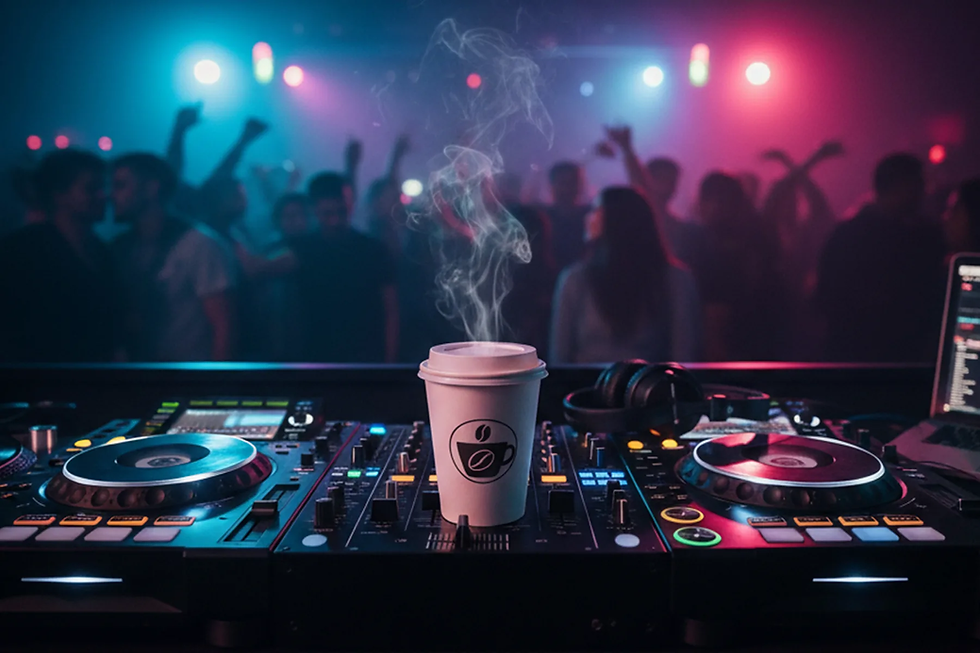
A global movement of alcohol-free, daytime dance parties. This trend sees traditional nightlife elements, like EDM and DJ sets, transplanted into daytime venues, often cafes or bars, and fueled by caffeine instead of alcohol.
A fusion of rave culture and wellness. These events are marketed as a healthy alternative to traditional clubbing, attracting a "sober-curious" crowd seeking social connection and physical activity without the negative side effects of intoxication.
An evolution of the "Daybreaker" concept. The trend has roots in a 2013 New York movement called 'Daybreaker,' which pioneered the concept of a pre-dawn, substance-free dance party and has since grown into a global phenomenon.
A new kind of social experience. The events provide an opportunity for attendees to dance, socialize, and enjoy high-energy music in a safer, more conscious environment, often with a focus on community and personal well-being.
Why it is the topic trending: The Sober-Curious Social Scene
The "sober-curious" movement: A growing number of young people, particularly millennials, are re-evaluating their relationship with alcohol. They are seeking alternative social activities that don't revolve around drinking. This trend provides a perfect solution.
A safer alternative to nightlife: The article notes that the lack of intoxication and the daytime setting provide a safer, more enjoyable atmosphere, especially for solo attendees. This directly addresses the safety concerns associated with traditional, late-night clubbing.
The appeal to specific lifestyles: The events attract "nightshift workers and health-conscious young professionals," as well as runners and people who prioritize a "morning running culture." It caters to those who want a high-energy social outlet that fits into a healthy or non-traditional schedule.
A more authentic social connection: Without alcohol to lower inhibitions, the social dynamic is different. It's a space for people to work on their "public skills of being perceived" and connect with others in a more direct, sober gaze.
Overview: From Nightlife to Daylife The coffee rave trend represents a significant shift in social culture, transforming the essence of the "rave" experience from a late-night, substance-fueled event into a daytime, caffeine-powered phenomenon. The article details a specific event, "Beats and Caffeine," which successfully sold out its debut, highlighting the strong market demand for this new form of entertainment. While the experience can be an uncomfortable, self-conscious one for some, the trend's core appeal lies in its promise of a safer, more conscious, and more accessible social environment for a sober-curious and health-conscious millennial crowd.
Detailed findings: The Nuances of the Caffeine Rave
The marketing and business model: The event's organizer, a former nightlife marketer, used an "aggressive Instagram marketing campaign" and exclusive text message ticket drops to sell out 250 tickets at a high price point (£17). However, the article notes a "trick was missed" in the limited coffee menu and the difficult reconciliation of the high ticket price from a sober lens.
The venue and atmosphere: The chosen venue, Bubba Oasis, was a lucky find due to its two-floor setup, but it was not a traditional coffee shop. The event saw a noticeable "reserve" among the crowd initially, with very little dancing until the caffeine hit and the music became more familiar. The sober-conscious atmosphere meant attendees were very aware of their own bodies and actions.
The audience and the "vibe": Attendees were a "classier alternative" to the typical night rave crowd, with an average age of late twenties to early thirties. The event attracted a more mature and health-conscious demographic seeking a safer, non-intoxicated social outlet.
The reality of the experience: The article points out some of the practical downsides of a sober daytime rave, including the physical toll of dancing without substances to mask discomfort and the inevitable "coffee crash" that coincides with the end of the event.
Key success factors of the trend: The New Party Pillars
The Sober-Curious Movement: The single most important factor is the growing societal trend of individuals re-evaluating their relationship with alcohol. The coffee rave provides a ready-made, appealing social solution for this demographic.
Strategic Marketing and Exclusivity: The use of aggressive social media marketing and exclusive ticket drops, as demonstrated by "Beats and Caffeine," creates buzz and a sense of FOMO (fear of missing out), leading to quick ticket sales.
Safety and Inclusivity: The trend's inherent safety—no drugs, no alcohol, and a daytime setting—is a major draw, particularly for solo attendees and women who would not feel comfortable in a traditional clubbing environment.
Novelty and Cultural Crossover: The fusion of two seemingly disparate cultures—cafe and rave—creates a novel, appealing, and highly "Instagrammable" experience that stands out in a crowded entertainment market.
Key Takeaway: The Reimagined Rave Experience The coffee rave trend is successfully reimagining the traditional rave experience for a new generation of consumers. It is a response to the growing desire for healthier, more conscious social experiences that still offer the energy and community of a dance party. The success of these events, despite their high cost and sometimes awkward social dynamics, proves that there is a significant market for "daylife" culture that trades late-night chaos for a caffeine-fueled, sober dance floor.
Main trend: The Rise of Daylife Culture This trend describes a shift in social and entertainment consumption away from traditional, late-night events and towards a new "daylife" culture centered on daytime activities that combine elements of wellness, social connection, and high-energy music without the use of alcohol.
Description of the trend: Conscious Consumption and Socializing This trend is characterized by a conscious shift in consumer behavior, where individuals are prioritizing experiences that align with their health and wellness goals. It redefines what constitutes a "night out" by moving it into the light of day. The trend promotes a form of social engagement that is more intentional, active, and rooted in physical and mental well-being, as opposed to the escapism often associated with traditional club culture.
Key Characteristics of the Core trend:
Substance-Free: The events are primarily or entirely alcohol- and drug-free, making them a safe space for sober-curious individuals and those in recovery.
Daytime Schedule: The events take place during the day, from morning to mid-afternoon, allowing attendees to participate without sacrificing sleep or their professional schedules.
Wellness Integration: They often incorporate elements of wellness, such as exercise, health-conscious food/drink, and a general focus on positive energy and self-expression.
Niche Audience Focus: The events target specific, often overlooked, demographics, such as night-shift workers and health-conscious professionals, who are not served by traditional nightlife.
A Focus on Authenticity: The social dynamic is based on sober, uninhibited interaction, which, while potentially awkward, promotes a form of authentic connection that is not masked by intoxication.
Market and Cultural Signals Supporting the Trend: The Post-Pandemic Push for Well-being
The "sober-curious" movement: This is the most significant signal, driven by a greater awareness of the physical and mental health impacts of alcohol and a desire for more mindful living.
The rise of wellness culture: A growing cultural emphasis on physical fitness, mental health, and self-care has made wellness a central component of people's lives, influencing everything from diet to social habits.
The cost of living crisis: The article mentions the high cost of a night out, making a £17 daytime event with a "free" drink seem like a "saving" by comparison, which appeals to a more frugal, yet still socially active, audience.
The need for safer social spaces: A heightened public awareness of safety, particularly for women and solo attendees in nightlife environments, has created a market demand for safer alternatives.
What is consumer motivation: To Dance Without the Downside
A desire for social connection and community: Consumers are motivated to find spaces to socialize and connect with others who share their interests in music and well-being, but without the pressure to drink.
The pursuit of a "healthy high": The motivation is to achieve a euphoric feeling and release energy through dancing and music, but powered by the natural buzz of caffeine rather than an artificial, intoxicating substance.
Avoiding the negative consequences of traditional nightlife: Consumers are motivated to avoid hangovers, late nights, unsafe environments, and the associated social and physical discomfort of traditional raves.
What is motivation beyond the trend: The Pursuit of Simplicity and Self-Acceptance
A need for simplicity: Consumers are motivated by the desire for a more straightforward, no-nonsense experience. The sober rave removes the complexity of drugs and alcohol, allowing attendees to focus on the music and the moment.
A desire for self-acceptance: The article highlights the "uncomfortable awareness" of dancing in daylight without substances. The motivation to participate in such an event is a subtle form of self-work, pushing oneself to be perceived and to find joy in a sober, uninhibited state.
A quest for new, fulfilling experiences: This trend appeals to the consumer's deep-seated motivation for novelty and for finding new and interesting ways to fill their time and enrich their lives.
Descriptions of consumers: The Health-Conscious Millennial
Consumer Summary: The target consumer is a health-conscious, digitally native individual, likely a millennial or Gen Z, who is wary of the traditional nightlife scene. They are frugal but willing to pay for unique experiences that align with their values of wellness, safety, and authenticity. They are highly active on social media, using platforms like Instagram to discover and connect with events. They are likely to be extroverted but may also be "self-conscious introverts" using the event as a form of social training.
Who are them: They are young professionals, night-shift workers, fitness enthusiasts, and those who are "sober-curious."
What is their age?: "Late twenties to early thirties," with a potential for a younger Gen Z audience as the trend gains wider popularity.
What is their gender?: The article notes that the safety of the event is a major draw for women, suggesting they are a key segment of this market.
What is their income?: Likely middle to high income, as they are willing to pay a premium for a "classier" and safer experience, but are also cost-conscious when comparing it to a typical night out.
What is their lifestyle: Their lifestyle is active, health-focused, and centered on wellness. They are likely to be runners, gym-goers, and people who prioritize a work-life balance that doesn't involve late nights and hangovers.
How the Trend Is Changing Consumer Behavior: Prioritizing "Daylife" Over Nightlife
Shift in social habits: The trend encourages a fundamental shift in how people socialize, moving the "big night out" to a "big day out."
Increased willingness to engage in sober settings: As these events normalize, consumers will become more comfortable and confident in engaging in social activities without alcohol or drugs.
New expectations for event organizers: Consumers will begin to expect more from event organizers in terms of safety, venue, and a more diverse menu of non-alcoholic options, pushing brands to innovate.
Implications of trend Across the Ecosystem: The Day-Time Economy
For Consumers: The trend gives consumers more choice and control over their social lives. It normalizes sober socializing and makes high-energy social experiences accessible to a wider range of people.
For Brands and CPGs: This trend is a wake-up call for brands to adapt to a sober-curious market. It creates a new market for non-alcoholic beverages, health foods, and wellness products that can be integrated into these events. Brands must find ways to authentically connect with this audience without relying on alcohol-related marketing.
For Retailers: Coffee shops, cafes, and other daytime venues can leverage this trend to diversify their revenue streams, attract new customers, and create unique experiences that go beyond a standard coffee order.
Strategic Forecast: The Expansion of Conscious Daylife
Diversification of genres: The trend will likely expand beyond EDM to include other musical genres, such as indie, hip-hop, and disco, attracting a wider range of sub-cultures.
Integration with other wellness activities: Events will likely combine raves with other wellness activities, such as yoga, meditation, or fitness classes, creating multi-faceted "wellness experiences."
Brand partnerships: Expect to see more strategic partnerships between event organizers and non-alcoholic beverage brands, health food companies, and activewear brands.
Festivalization of day raves: The concept will likely expand into larger-scale daytime festivals, offering a full day of music, food, and wellness activities without the overnight camping or substance-heavy environment of traditional festivals.
Areas of innovation: The Sober-Sensory Experience
Experimental Coffee Menus: Innovative drinks that go beyond standard coffee, matcha, or juice, incorporating unique ingredients, flavors, and presentations to create a memorable and "Instagrammable" experience.
Sober Cocktails: The creation of sophisticated, non-alcoholic "mocktail" bars at events that rival the complexity and flavor profile of traditional cocktails, appealing to a mature and discerning palate.
Physical-Interactive Venues: Redesigning venues to better accommodate dancing and physical movement, with features like well-ventilated dance floors and comfortable, communal seating areas for socializing.
Data-Driven Event Planning: Using consumer data to determine the most desired music genres, event timings, and menu options to create a highly curated and personalized experience for the target audience.
Experiential Marketing Integration: Developing immersive, multi-sensory experiences within the event itself that go beyond the music, such as live art installations, visual projections, or themed zones that enhance the overall wellness and social vibe.
Summary of Trends:
Core Consumer Trend: The Quest for Clean Fun. Consumers are actively seeking social experiences that are both high-energy and substance-free, prioritizing their health and well-being.
Core Social Trend: The Mainstreaming of Sobriety. Sobriety is moving from a niche choice to a normalized and even trendy lifestyle, creating new markets and social norms around alcohol-free activities.
Core Strategy: The Experience as the Product. Event organizers and brands are shifting their strategy to sell a full experience—a combination of music, community, wellness, and novelty—rather than just a product or a venue.
Core Industry Trend: The Rise of the Daylife Economy. The entertainment industry is expanding beyond traditional nightlife, creating new economic opportunities in the daytime by catering to the sober-curious and health-conscious consumer.
Core Consumer Motivation: Freedom from Consequence. Consumers are motivated to enjoy the thrill of a rave—the music, the energy, the dance—without the physical and social consequences associated with drugs and alcohol.
Final Thought: A Conscious Vibe The coffee rave trend is a powerful sign of a conscious cultural shift. It's a testament to the fact that people are no longer willing to sacrifice their health and well-being for a night of fun. This new "daylife" culture is not just a passing fad; it's a strategic response to a deep-seated consumer desire for authenticity, safety, and simplicity. By trading late nights for early mornings and hangovers for a caffeine buzz, brands like "Beats and Caffeine" are not just offering a new product; they are building a community around a shared value system. The future of entertainment is not just about where the party is, but about the conscious choices we make to be present in it.


شيخ روحاني
رقم شيخ روحاني
شيخ روحاني لجلب الحبيب
الشيخ الروحاني
الشيخ الروحاني
شيخ روحاني سعودي
رقم شيخ روحاني
شيخ روحاني مضمون
Berlinintim
Berlin Intim
جلب الحبيب
https://www.eljnoub.com/
https://hurenberlin.com/
youtube