
Food: Tropical Indulgence Economy: When Small Luxuries Meet Health Aesthetics
- InsightTrendsWorld

- Jan 21
- 12 min read
Why the trend is emerging: Economic Anxiety Meets Wellness Escapism
Food consumers replace traditional meals with snack-centric "treat" moments featuring tropical flavors promising both health benefits and affordable luxury, with 92% of millennials/Gen Z substituting meals with snacks weekly while tropical searches surge 40%. Economic hardship, wellness obsession, time scarcity, and mocktail culture produce landscape prioritizing portable indulgences delivering functional benefits.
Structural driver: Busy lifestyles eliminate sit-down meals with 54% snacking instead when time-pressed, forcing food industry to serve grab-and-go moments versus traditional dining.
Cultural driver: Treatonomics mindset where 75% consider snacks critical "moment of joy" during budget constraints, seeking affordable luxuries feeling special without excessive spending.
Economic driver: Small indulgences replace big-ticket luxury as consumers refuse cutting snacks even when budgeting, creating market for $3-8 premium treats delivering emotional boost.
Psychological / systemic driver: Wellness aesthetics (Guava Girl makeup, botox juice, gut health) transform fruit consumption into beauty rituals, making tropical flavors serve dual function as affordable treats and functional ingredients.
Insights: When Snacks Become Meals
Food responds to meal structure collapse where snacking replaces dining, with tropical flavors as affordable luxury delivering emotional reward and wellness credibility.
Industry Insight: Restaurants must restructure menus around snackable moments and non-alcoholic beverages (mocktail searches up 27%) versus traditional courses, as eating patterns permanently fragment. Consumer Insight: Shoppers treat snacks as essential emotional infrastructure refusing elimination during budgets, investing in small luxuries promising joy and functional benefits like digestive health. Brand Insight: Successful positioning frames tropical fruits as affordable self-care delivering wellness outcomes versus pure indulgence, making health claims justify higher prices for treats replacing meals.
Market permanently shifted from structured dining to treat-moment economy.
What the trend is: Functional Indulgence Through Portable Treats
Food responds to meal structure collapse through portable treat moments featuring tropical flavors promising wellness benefits, making affordable luxury and health claims justify premium snacking replacing conventional meals.
Defining behaviors: Replacing meals with snacks weekly (92% millennials/Gen Z), consuming only snacks (7%), seeking non-alcoholic beverages with "wow factor" (mocktails, dirty soda), purchasing tropical fruits for health aesthetics (botox juice, gut health), treating snacks as daily "moment of joy."
Scope and boundaries: Applies to millennials/Gen Z experiencing time scarcity and economic pressure, excluding older demographics maintaining traditional meal structures.
Meaning shift: "Meal" means snack assemblage or single treat moment, making cheese/crackers/pickles legitimate dinner while tropical items serve as both indulgence and wellness investment.
Cultural logic: If economic hardship eliminates big luxuries while wellness demands functional benefits, tropical snacks delivering both affordable treat and health claims solve multiple needs.
Insights: When Function Justifies Indulgence
Food consumption fragments into portable treats where wellness claims legitimize spending on premium snacks replacing structured meals.
Industry Insight: Food service pivots from meal-centric to moment-centric offerings, recognizing snack assemblages as legitimate dining occasions requiring menu items supporting girl dinner versus traditional courses. Consumer Insight: Shoppers experience no guilt replacing meals when items carry wellness positioning (tropical fruits with enzymes), treating functional benefits as permission structure for treating themselves. Brand Insight: Success requires dual positioning as affordable luxury and functional wellness, making tropical flavors justify prices through health claims versus pure taste alone.
Permanent shift where snacking replaces dining for younger demographics.
Detailed findings: The Tropical Treat Revolution
Dole FRUIT FWD report identifies five movements converging around portable indulgence and functional wellness, proving meal structure collapse and tropical flavor dominance.
Market / media signal: Tropical flavor searches up 40%; non-alcoholic drinks up 27%; guava/passion fruit expanding into fragrances, self-care, makeup (Guava Girl); viral botox juice (pineapple/purple cabbage); yellow dragonfruit gut health articles; mocktails and dirty soda replacing alcohol.
Behavioral signal: 54% snacking instead of full meals when pressed; 92% millennials/Gen Z replacing weekly meals with snacks; 7% eating only snacks; 75% refusing to cut snacks when budgeting; cheese, crackers, pickles, hummus growing as meal replacements.
Cultural signal: Girl dinner normalizing snack assemblages as legitimate meals; Treatonomics mindset for small affordable luxuries; wellness aesthetics (Guava Girl) making fruit choices identity statements; Mormon Wives' dirty soda popularizing elaborate non-alcoholic beverages; mango/pineapple chosen for enzymes and skin benefits.
Systemic signal: Restaurants adding mocktail menus and snackable items; tropical flavors crossing into beauty and fragrance; wellness media covering fruit's functional benefits (enzymes, anti-inflammatory) versus purely culinary uses.
Main findings: Every trend responds to economic pressure and time scarcity—tropical treats provide affordable luxury, snacks replace time-intensive meals, mocktails deliver social experience without alcohol cost, wellness claims justify premium pricing.
Insights: The Multi-Functional Food Demand
Food succeeds by serving simultaneous needs (portable, affordable, indulgent, functional) versus single-purpose offerings.
Industry Insight: Food categories must cross-pollinate as tropical flavors appear in beverages, snacks, beauty, fragrances simultaneously, requiring multi-category product strategies. Consumer Insight: Shoppers gravitate toward items delivering multiple benefits—tropical fruits providing taste plus enzymes plus skin benefits, mocktails offering social experience plus wellness positioning. Brand Insight: Most effective positioning stacks benefit claims (affordable luxury + functional wellness + portable convenience + emotional boost) versus emphasizing single attribute.
Multi-functional tropical treats confirm food purchasing serves lifestyle curation beyond meal provision.
Description of consumers: Budget-Conscious Wellness Seekers
Contemporary consumers (millennials/Gen Z) experience economic pressure and time scarcity while refusing to abandon wellness investments or emotional treats, selecting portable items delivering both affordable indulgence and functional health benefits.
Life stage: Young professionals and students managing tight budgets and busy schedules, eliminating sit-down meal time while maintaining self-care priorities.
Cultural posture: Treatonomics practitioners treating snacks as non-negotiable joy moments, believing affordable luxuries (premium tropical fruits, mocktails) demonstrate self-care sophistication.
Media habits: Following wellness influencers promoting tropical fruits for beauty benefits (botox juice, gut health), consuming girl dinner content, engaging with mocktail culture, researching functional food benefits.
Identity logic: Define smart consumption through multi-functional purchases delivering treat experience and wellness outcomes, believing tropical choices demonstrate intentional self-investment.
Insights: Efficiency Meets Self-Care
Consumers treat food choices as lifestyle optimization where portable treats must deliver emotional boost, wellness benefits, and time efficiency simultaneously.
Industry Insight: Target audiences evaluate food through multiple criteria (time efficiency, budget fit, wellness claims, emotional reward) simultaneously, making single-benefit products insufficient. Consumer Insight: Shoppers experience no contradiction between budget consciousness and premium snack spending when items carry wellness positioning, treating functional benefits as investment. Brand Insight: Most valuable customers want products solving multiple problems—tropical snacks providing portable meal replacement, affordable luxury, and beauty/health benefits.
Permanent patterns prioritizing portable multi-functional treats over traditional meal structures.
What is consumer motivation: Affordable Self-Care Through Functional Treats
Consumers solve emotional problems (economic anxiety, time pressure, wellness goals) by replacing structured meals with portable treat moments featuring tropical flavors delivering both affordable indulgence and functional health benefits.
Core fear / pressure: Living with economic uncertainty and time scarcity eliminating traditional meals and big luxuries, creating anxiety about maintaining wellness and well-being without substantial investment.
Primary desire: Finding affordable ways to experience luxury and practice self-care through small purchases delivering both emotional reward and functional benefits (digestive health, skin improvement, anti-inflammatory).
Trade-off logic: Accepting meal structure collapse (snacking replacing dining) for time efficiency and treating budget, calculating premium tropical snacks delivering wellness provide better value than conventional meals.
Coping mechanism: Converting food purchases into multi-functional self-care investments, treating tropical snacks and mocktails as affordable luxury providing emotional boost while health claims legitimize spending.
Insights: When Treats Become Wellness
Food spending serves emotional regulation and self-care versus pure nutrition, with wellness claims providing psychological permission for indulgence during economic constraint.
Industry Insight: Food must position as solving life problems (time scarcity, budget pressure, wellness goals, emotional needs) versus just nutrition, articulating how tropical treats serve as affordable self-care. Consumer Insight: Shoppers willing to pay premiums for items stacking indulgence with wellness claims (tropical fruits with enzymes, mocktails replacing alcohol), treating functional benefits as permission. Brand Insight: Most effective marketing emphasizes affordable luxury and functional wellness simultaneously, framing tropical snacks as self-investment delivering beauty/health outcomes.
Intensifies as economic pressure continues and consumers demand food serving multiple functions.
Core macro trends: The Permanent Treat-Moment Economy
Irreversible forces altered food consumption where structured meals fragment into portable treat occasions featuring tropical flavors delivering both affordable luxury and functional wellness.
Economic force: Sustained pressure eliminates big luxuries while creating Treatonomics mindset where 75% refuse cutting snacks despite budgeting, establishing small indulgences as non-negotiable spending.
Cultural force: Wellness culture transformed food from nutrition to self-care tool, with tropical flavors carrying health claims (enzymes, skin brightening, anti-inflammatory) justifying premium prices.
Psychological force: Time scarcity produced permanent shift toward grab-and-go eating, with 54% snacking instead of meals when pressed and 92% younger consumers replacing weekly meals.
Technological force: Social media aestheticization (Guava Girl, botox juice, girl dinner) transformed consumption into identity performance, making tropical choices signal wellness sophistication.
Insights: When Portability Becomes Mandatory
Food industry cannot return to meal-centric models after younger demographics established snacking as primary pattern delivering efficiency and emotional reward.
Industry Insight: Food service permanently restructures around portable treat moments versus traditional dining, as meal collapse creates demand for snackable items supporting on-the-go lifestyles. Consumer Insight: Once shoppers experienced liberation of snacking replacing meal prep and dining time, they cannot return to structured eating patterns, making grab-and-go formats permanent requirement. Brand Insight: Companies building capabilities in functional indulgence (tropical flavors with wellness claims, premium snacks delivering emotional boost) position for sustainable advantage.
Forces self-reinforce as time pressure intensifies and wellness culture makes functional claims expected.
Trends 2026: Healthy Indulgences
Food industry restructures around portable treat moments featuring tropical flavors delivering both affordable luxury and functional wellness claims, recognizing meal structure collapse makes snacking primary eating pattern.
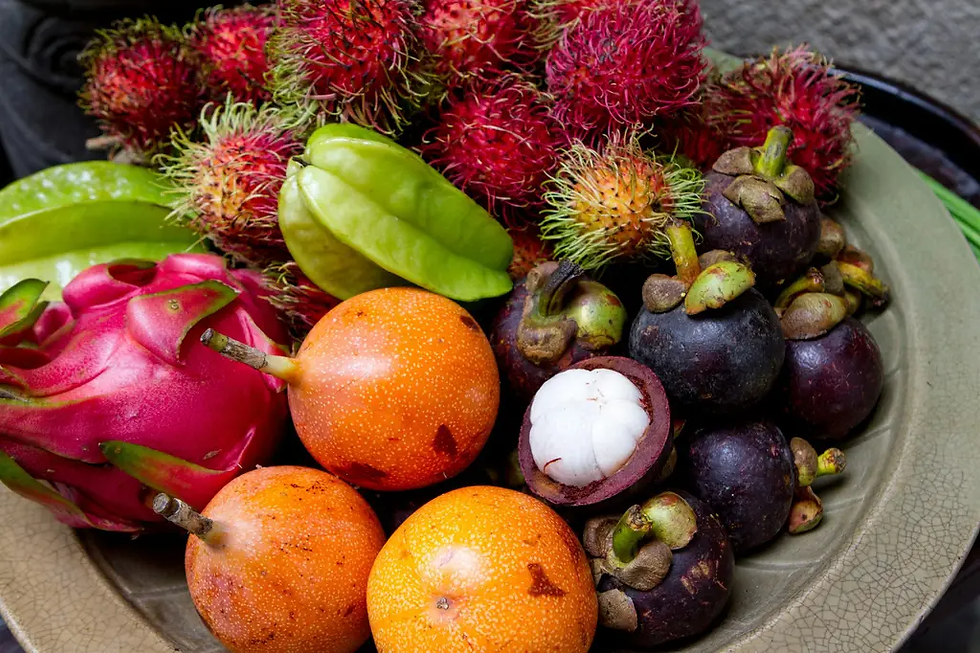
Main Trend: Healthy Indulgences - Food transforms from nutrition provision into affordable self-care infrastructure where tropical flavors (guava, passion fruit, mango, pineapple) serve as both indulgent treats and functional wellness ingredients, making portable snacks stacking emotional reward with health claims (digestive enzymes, skin brightening, anti-inflammatory) replace traditional meals for budget-conscious time-pressed consumers.
Industry Implications: Restaurants must expand mocktail programs and snackable menus versus traditional meal courses; food manufacturers develop functional ingredient verification systems; convenience retail reorganizes around treat-moment merchandising versus meal planning; beauty/fragrance sectors incorporate tropical extracts; hospitality reduces sit-down dining space for grab-and-go stations.
Consumer Implications: Younger demographics permanently abandon structured meal patterns for snack assemblages requiring no guilt or justification; wellness claims become expected product attributes justifying premium spending; portable formats become baseline requirement; multi-functional benefits (taste + health + convenience + emotional reward) drive purchase decisions versus single attributes.
Brand Implications: Success requires stacking benefit claims as single-function products lose relevance; tropical positioning becomes category standard requiring differentiation through specific health claims; affordable luxury framing essential for justifying premiums during economic pressure; cross-category strategies needed as tropical flavors extend beyond food into beauty/fragrance/lifestyle.
Cross-Industry Manifestation: Tropical flavors extending into fragrances, self-care products, makeup aesthetics (Guava Girl); wellness industry promoting functional food as beauty tool (botox juice, gut health); beverage sector pivoting to mocktails (searches up 27%); beauty brands incorporating fruit enzymes; hospitality redesigning around snackable moments.
Visible Evidence: Tropical searches surging 40% year-over-year; viral wellness content featuring pineapple/dragonfruit benefits; restaurants expanding mocktail menus; convenience stores positioning premium snacks as meals; cheese/crackers/pickles/hummus growing as dinner; Mormon Wives' dirty soda popularizing elaborate non-alcoholic beverages; Guava Girl aesthetic trending across beauty platforms.
Trend definition: Food consumption fragmenting from structured meals into portable treat moments where tropical flavors serve dual function as affordable luxury and functional wellness, making snacks stacking indulgence with health claims legitimate meal replacements.
Core elements: Tropical fruits (guava, passion fruit, mango, pineapple), mocktails and non-alcoholic beverages, girl dinner assemblages (cheese, crackers, pickles, hummus), wow-in-one-bite treats, functional wellness claims, freeze cracking toppings, portable formats, Treatonomics mindset.
Primary industries: Food and beverage manufacturing, restaurants expanding snackable options, convenience retail, tropical importers, mocktail mixology, beauty incorporating fruit ingredients, wellness media covering functional food, meal kits pivoting to snack boxes.
Strategic implications: Brands position food as multi-functional delivering portability, affordability, indulgence, and wellness simultaneously versus single-benefit offerings, requiring health claim development and beauty/wellness crossover strategies.
Strategic implications for industry: Restaurants restructure menus around snackable moments and non-alcoholic experiences; retail reorganizes from meal planning to treat-moment merchandising supporting consumers viewing snacks as legitimate dining.
Future projections: By 2027, snacking constitutes 60-70% of eating occasions for millennials/Gen Z versus current 40-50%, with tropical flavors baseline expectation as functional wellness claims become mandatory differentiation.
Insights: The Multi-Functional Food Mandate
Healthy Indulgences positioning becomes mandatory as consumers expect food delivering simultaneous benefits versus single-purpose nutrition.
Industry Insight: Food success requires stacking benefit claims (wellness, affordability, portability, emotional reward) as single-function products lose relevance when consumers demand multiple value propositions. Consumer Insight: Shoppers judge food sophistication by multi-functionality, making tropical snacks delivering both treat and wellness demonstrate smart consumption while conventional meals feel inefficient. Brand Insight: Effective positioning frames tropical treats as affordable self-care investments delivering functional benefits (enzymes, beauty properties) justifying premiums versus pure indulgence.
Within three years, functional wellness claims become expected attributes with tropical flavors as primary delivery vehicle.
Social Trends 2026: The Self-Care Food Culture
As food transforms into affordable self-care infrastructure, society witnesses meal structure collapse normalization where snacking replaces dining without stigma, creating permission where girl dinner demonstrates wellness sophistication versus lazy convenience.
Food traditionally centered on family meals transforms into individual wellness practice where portable treats featuring functional ingredients represent intentional self-investment. Conversation shifts from defending snacking to celebrating it as smart optimization.
Implied social trend: Meal structure abandonment becoming culturally acceptable where snack assemblages constitute legitimate dining without justification, making girl dinner and on-the-go eating signal efficiency versus inadequacy.
Behavioral shift: Consumers openly replacing meals with snacks without shame (92% younger demographics weekly), discussing food through wellness lens (botox juice, gut health), treating tropical fruits as beauty investments, seeking mocktails as sophisticated experiences.
Cultural logic: If economic pressure eliminates big luxuries while wellness demands functional benefits, treating food as affordable self-care delivering health outcomes demonstrates smart allocation, making premium tropical snacks signal intentional wellness.
Connection to Trends 2026: Food's transformation into multi-functional wellness infrastructure enables broader shift toward accepting non-traditional eating patterns, as functional framing provides permission for meal abandonment.
Insights: When Snacking Becomes Sophisticated
Food industry's wellness positioning gives culture permission to abandon traditional meal structures without nutritional guilt.
Industry Insight: Meal collapse extends beyond food into broader acceptance that traditional dining is obsolete for time-pressed demographics, forcing hospitality and home design to accommodate grab-and-go lifestyles. Consumer Insight: Shoppers internalize wellness framing as validation that snacking and girl dinner represent smart self-care versus nutritional failure, treating functional treats as demonstrating health sophistication. Brand Insight: Companies enabling meal abandonment through wellness-positioned snacks build cultural influence beyond food sector, positioning as lifestyle authorities consumers trust for navigating optimization.
Irreversible as younger generations establishing snacking as primary pattern will parent children with same expectations.
Areas of Innovation: Building the Treat-Moment Infrastructure
Tropical wellness transformation creates opportunities for functional ingredient development, portable format innovation, mocktail experiences, wellness claim verification, and snack-meal hybrids.
Functional ingredient platforms: Developing tropical fruit enzymes, bioactive compounds, beauty-benefit ingredients for cross-category incorporation, creating databases and certification validating wellness claims consumers demand.
Portable meal-snack hybrids: Designing products positioned as meal replacements through snackable formats, providing nutritionally complete options in grab-and-go packages feeling like treats versus obligatory nutrition.
Mocktail experience systems: Creating non-alcoholic beverage programs delivering wow-factor, helping restaurants capture 27% search growth through training, recipes, presentation innovation making alcohol-free options premium.
Wellness claim verification: Building third-party testing and certification validating functional benefits (enzymes, skin brightening, anti-inflammatory), providing credibility consumers need for justifying premium spending.
Tropical flavor applications: Expanding guava, passion fruit, mango, pineapple beyond fresh fruit into beverages, snacks, desserts, beauty, fragrances, creating supply chains supporting 40% demand growth.
Treatonomics retail concepts: Designing stores organized around affordable luxury moments versus meal planning, creating treat stations supporting consumers viewing food as self-care investments.
Insights: The Infrastructure of Indulgent Wellness
Tropical treat economy requires new ingredient systems, format innovations, and retail concepts as meal-centric infrastructure wasn't designed for snacking as primary pattern.
Industry Insight: Multi-billion dollar opportunities exist building infrastructure supporting functional snacking—enzyme extraction, portable packaging, mocktail training—as current systems optimize for meal provision. Consumer Insight: Shoppers willing to pay premiums for verified wellness benefits and premium treat experiences, making functional ingredient development and experience design strategically valuable. Brand Insight: First-movers building comprehensive tropical wellness ecosystems capturing multiple touchpoints (food, beverage, beauty, fragrance) establish category leadership.
Within five years, functional food verification and tropical flavor technology constitute major professional specializations.
Summary of Trends: The Healthy Indulgences Revolution
Food fragmenting from structured meals into portable treat moments featuring tropical flavors delivering both affordable luxury and functional wellness represents permanent restructuring where multi-functional indulgence replaces traditional dining.
Trend Name | Description | Implications |
Healthy Indulgences | Food transforms into affordable self-care infrastructure where tropical flavors serve as both indulgent treats and functional wellness ingredients, with portable snacks stacking emotional reward and health claims replacing traditional meals for budget-conscious time-pressed consumers | Industry permanently pivots from meal-centric to treat-moment focus, requiring food positioned as multi-functional delivering portability, affordability, indulgence, and wellness simultaneously |
Meal Structure Collapse | Traditional dining fragments as 92% millennials/Gen Z replace weekly meals with snacks, with 54% choosing snacking over full meals when time-pressed and 7% eating only snacks, making cheese, crackers, pickles, hummus legitimate dinner components | Restaurants and retail restructure around snackable moments and grab-and-go formats versus traditional courses, recognizing snacking as primary eating pattern requiring menu revolution |
Treatonomics Mindset | Economic pressure creates affordable luxury economy where 75% refuse cutting snacks despite budgeting, treating small indulgences (tropical fruits, mocktails, wow-in-one-bite treats) as non-negotiable joy moments providing emotional boost and wellness benefits | Brands position treats as self-care investments delivering functional outcomes versus pure indulgence, making wellness claims essential differentiation capturing consumers seeking permission for small luxuries |
Category | Description | Implications |
Main Trend: Healthy Indulgences | Food consumption fragmenting into portable treat moments where tropical flavors deliver both affordable luxury and functional wellness (enzymes, beauty benefits, anti-inflammatory), making multi-functional snacks replace traditional meals | Brands must stack benefit claims (portable, affordable, indulgent, functional) as single-purpose products lose relevance when consumers demand multiple simultaneous value propositions |
Brand Strategy: Multi-Functional Positioning | Frame tropical treats as affordable self-care investments delivering wellness outcomes (digestive health, skin improvement) justifying prices despite budget pressure versus positioning as pure indulgence | Success requires developing functional ingredient claims and beauty/wellness crossover strategies, as health positioning provides psychological permission consumers need for treat spending |
Industry Transformation: Treat-Moment Infrastructure | Food service and retail restructuring from meal planning to snack-moment merchandising, with restaurants expanding mocktails and grab-and-go while stores organize around affordable luxury displays | Operations must accommodate snacking as primary pattern through portable packaging, premium presentation, functional ingredient verification, and non-alcoholic experience programs |
Consumer Behavior: Functional Indulgence | Replacing structured meals with portable treats featuring tropical flavors, selecting snacks delivering both emotional reward and wellness benefits, refusing to cut treats despite budgeting, seeking mocktails providing sophistication | Permanent adoption of snacking as primary pattern with escalating expectations for multi-functional benefits, making wellness claims and affordable luxury positioning essential purchase drivers |
Social Impact: Self-Care Food Normalization | Meal structure abandonment becoming culturally acceptable where girl dinner and treat-moment eating represent wellness sophistication versus inadequacy, with food choices framed as self-care investments | Cultural shift extends beyond food into broader acceptance that traditional dining structures are obsolete, forcing hospitality, workplace, and home design to accommodate grab-and-go lifestyles |
Insights: The Permanent Snacking Economy
Healthy Indulgences positioning represents irreversible food evolution as meal collapse and functional indulgence demands make multi-benefit treats permanent framework.
Industry Insight: Food cannot return to meal-centric models after younger demographics established snacking as primary pattern stacking portability, affordability, indulgence, and wellness, forcing permanent infrastructure transformation. Consumer Insight: Shoppers experiencing liberation of snacking replacing meal structures and finding wellness claims justifying treat spending cannot return to traditional dining patterns or viewing food as pure nutrition. Brand Insight: Success requires choosing specific wellness benefits to validate (digestive health, beauty properties, anti-inflammatory) and building authentic functional ingredient capabilities.
Food permanently restructured as self-care infrastructure where tropical flavors deliver affordable wellness. The Healthy Indulgences economy is fundamental consumption transformation.



Many people look for the ubereats phone number because they want quick help when something goes wrong with an order. In customer feedback, users often talk about how hard it can be to reach a real person by phone. Some report being routed through automated menus or ending up on chat support instead of speaking directly to someone.