


Gods Don’t Give Gifts Goes Theatrical: How YouTube Creators Are Using AI to Enter Cinema

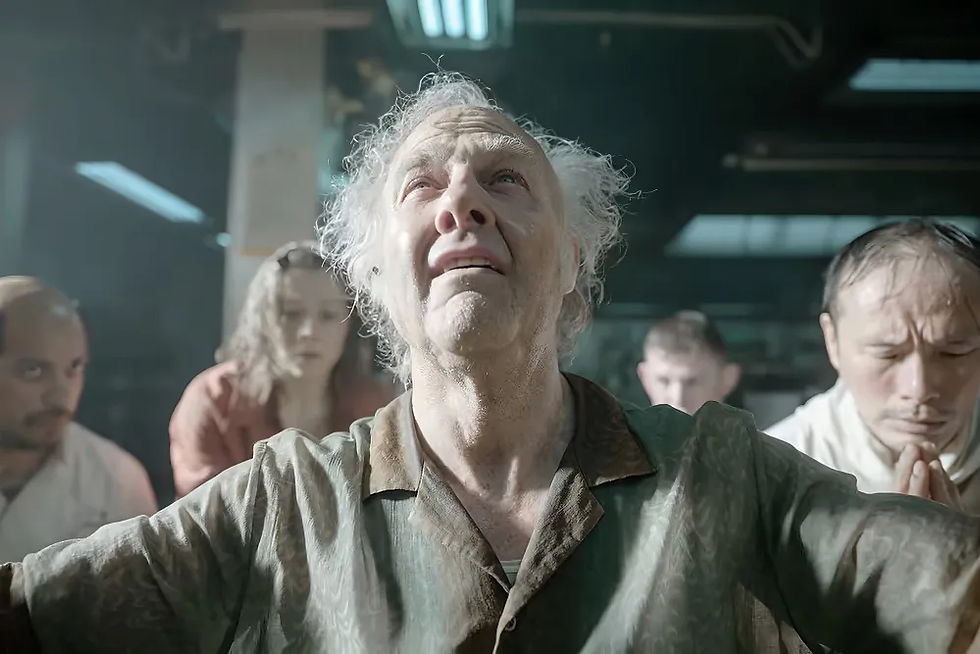
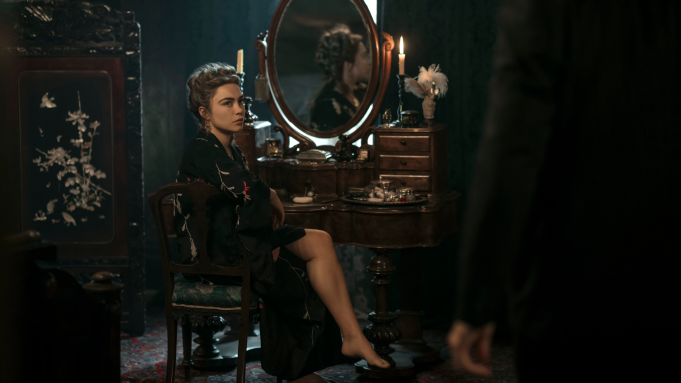
Trend: Creator Economy. Topic: AI Cinema. Gods Don’t Give Gifts, created by popular YouTuber Gossip Goblin, aka Zack London, shows how the Creator Economy is expanding beyond social platforms into traditional entertainment. Made entirely with artificial intelligence and heading for a limited U.S. and UK theatrical release, the film combines something creators already possess—audience recognition and fandom—with technology capable of lowering traditional barriers to feature filmmaking.
➡️ Trend Insight: CREATOR POPULARITY → FANDOM → CINEMA. Creators are no longer limited to producing content for the platforms where they became famous; their audiences can become the foundation for expansion into movies and other entertainment formats.
Why Everyone Is Talking About It: A YouTuber Is Taking an AI Movie to Cinemas
The significance of Gods Don’t Give Gifts goes beyond being another AI experiment. According to the Deadline article, the R-rated sci-fi feature is made entirely with AI and is scheduled for a limited theatrical release in the U.S. and UK on December 4. Its filmmakers say it is the first fully AI feature to receive an MPA rating, while they are also planning a traditional campaign for consideration in the Academy Awards’ Best Animated Feature category.
The project is entering traditional Hollywood infrastructure: its trailer is going into theaters, cinema lobby posters are planned, billboard advertising begins in November, and the film was previewed at the Venice Film Festival market. Yet the creator behind it comes from YouTube rather than the conventional studio system.
That combination is the real signal: digital creator popularity is beginning to travel into traditional cinema.
➡️ Conversation Insight: YOUTUBE CREATOR → AI FILMMAKER → THEATRICAL RELEASE. The boundary between online creator and conventional filmmaker is becoming increasingly fluid.
Why This Trend Matters Right Now: Creators Are Becoming Entertainment Brands
The Creator Economy initially revolved around platforms: YouTube videos, social content, podcasts and livestreaming. Increasingly, successful creators can use the audiences built through those channels as a foundation for expansion into other entertainment categories.
Cinema represents an important next step because traditional filmmaking historically requires substantial financing, production infrastructure, distribution and marketing. AI potentially changes part of that equation by giving creators new ways to translate ideas into feature-scale visual entertainment.
Deadline places Gods Don’t Give Gifts within a broader theatrical movement, pointing to creator-connected projects including Obsession, Backrooms and Iron Lung. The implication is that online popularity can increasingly become entertainment-industry leverage.
➡️ Why It Matters: CREATOR → COMMUNITY → ENTERTAINMENT ECOSYSTEM. The Creator Economy is evolving from producing content for platforms toward building audiences that can follow creators across entertainment formats.
Viral Potential: The Audience Can Arrive Before the Movie
Traditional independent movies often need marketing to introduce both the film and its filmmakers. Creators potentially reverse that process: the filmmaker can already be the recognizable brand.
Gossip Goblin's YouTube presence therefore gives Gods Don’t Give Gifts an existing discovery mechanism. Followers familiar with Zack London's work may become interested in the movie because they already understand his creative identity, while the unusual proposition of a fully AI-generated R-rated theatrical film provides an additional conversation trigger.
The AI element also creates controversy. The reactions reproduced by Deadline include skepticism about originality, creative ownership and whether AI-generated entertainment can possess genuine creative depth. That resistance can itself intensify cultural conversation around the project.
➡️ Viral Insight: CREATOR FANDOM + AI CURIOSITY + AI CONTROVERSY → CONVERSATION. The movie does not need to introduce its creator from zero, while its production method gives audiences something unusual to debate.
Who Is Driving This Trend: Creator-Following Audiences
The important behavioral shift is from following content to following creators. Audiences that establish relationships with creators on YouTube can potentially follow those personalities into movies, podcasts, merchandise, live experiences and other cultural products.
Audience Dimension | Profile |
Core Audience | Creator-following viewers interested in digital culture, experimental entertainment and unconventional filmmaking. |
Age / Generation | The supplied article does not provide demographic viewing data. |
Income | Not established by the source. |
Education | Not established by the source. |
Lifestyle | Digitally engaged audiences comfortable discovering entertainment through creators rather than traditional media institutions. |
Entertainment Behavior | Follows creators across platforms and may explore new formats because of an existing creator relationship. |
Cinema Behavior | Potentially willing to move from free online creator content toward paid theatrical experiences when the project feels distinctive enough. |
Discovery Mindset | Creator recognition and online conversation become alternatives to traditional studio or franchise recognition. |
➡️ Audience Insight: FOLLOW THE CREATOR → DISCOVER THE PROJECT → FOLLOW THEM INTO NEW FORMATS. The creator increasingly becomes the connective tissue between different entertainment experiences.
Core Motivations: Fandom Makes Creators Portable Across Entertainment
Motivation Name | Description / Implication |
1. Fandom | Existing followers want to experience what a creator does when moving into a larger entertainment format. |
2. Connection | Familiarity with a creator creates a relationship that can travel beyond the original platform. |
3. Curiosity | A fully AI-generated theatrical feature gives audiences something genuinely unusual to investigate. |
4. Discovery | Creator communities can become alternative channels for discovering films outside traditional studio marketing. |
5. Participation | Early followers can feel part of a creator's journey from online content toward mainstream entertainment. |
6. Novelty | AI Cinema provides a new visual and production proposition that differentiates the project from conventional releases. |
➡️ Motivation Insight: FANDOM → CURIOSITY → CROSS-PLATFORM FOLLOWING. Audiences do not necessarily separate YouTubers, filmmakers and entertainment brands as rigidly as the traditional media industry does. If they value the creator, they may be willing to follow the creator somewhere new.
Why Consumers Are Changing: People Can Matter More Than Platforms
Digital entertainment has shifted discovery away from institutions toward individuals. Audiences increasingly encounter culture through personalities they choose to follow, creating relationships that can survive changes in format or platform.
This changes the traditional entertainment journey. A consumer might discover someone through YouTube, follow their social content, listen to their podcast and eventually pay to watch their movie. The creator becomes the constant while the medium changes.
The consumer tension becomes:
“I DISCOVERED YOU ONLINE — NOW I WANT TO SEE WHAT YOU CAN CREATE BEYOND THE PLATFORM.”
➡️ Consumer Insight: PLATFORM DISCOVERY → CREATOR RELATIONSHIP → FORMAT EXPANSION. The stronger the relationship with the creator, the less dependent their audience becomes on the original platform.
Success Insights: Why Gods Don’t Give Gifts Could Attract Attention
Success Driver | Strategic Meaning |
Existing Creator Recognition | Gossip Goblin enters filmmaking with an established digital identity rather than starting anonymously. |
Creator Fandom | Existing followers provide a potential first audience for the theatrical experiment. |
AI Cinema | Fully AI production gives the movie an immediately distinctive proposition. |
First-Mover Positioning | The claimed MPA and awards milestones help frame the project as an industry experiment rather than simply another independent film. |
Theatrical Release | Moving into cinemas gives creator content additional cultural legitimacy and visibility. |
Traditional Marketing | Trailers, lobby posters and billboards position the project using established movie-marketing conventions. |
Controversy | Debate around AI creativity, originality and authorship generates additional attention. |
Creator-Cinema Momentum | Other creator-connected theatrical projects suggest audiences are becoming accustomed to creators moving into filmmaking. |
The important distinction is that AI alone does not guarantee an audience. AI potentially changes production economics and generates curiosity, but creator recognition provides something equally valuable: an audience relationship that already exists.
➡️ Success Insight: CREATOR EQUITY → AUDIENCE TRANSFER → AI-ENABLED EXPANSION. AI can help creators make different kinds of content; fandom can help them find audiences for it.
Marketing Strategy: Turn Creator Audiences Into Cinema Audiences
Area | Strategy | Opportunity |
Product | Build Creator-Led Worlds | Extend the creator's distinctive identity into larger entertainment formats rather than imitate conventional studio content. |
Pricing | Convert Free Audiences Into Paid Experiences | Give followers sufficient novelty and scale to justify moving from free creator content to theatrical tickets. |
Promotion | Activate Existing Communities | Use creator channels and fandom alongside traditional trailers, posters and advertising. |
Distribution | Move Beyond the Platform | Use theatrical releases and other channels to transform digital creators into broader entertainment properties. |
Innovation | Use AI to Expand Creative Scale | Allow creator-led teams to attempt entertainment formats traditionally requiring much larger production infrastructures. |
➡️ Strategic Insight: DON'T BUILD THE AUDIENCE AFTER THE FILM → BUILD THE FILM FROM AN EXISTING AUDIENCE. Creator Economy filmmaking potentially reverses one of cinema's traditional business challenges.
Trend Snapshot: The Creator Economy Moves Into Cinema
Trend Dimension | Insight |
Broad Trend – Creator Economy | Creators Become Entertainment Businesses. Audiences built online can support expansion into increasingly ambitious formats. |
Industry Trend – AI Cinema | AI Changes Who Can Attempt Feature Filmmaking. Generative production tools potentially reduce some of the resources traditionally required to create ambitious visual worlds. |
Lifestyle Trend – Creator-Led Entertainment | Audiences Follow People Across Formats. Consumers increasingly move with creators between platforms and entertainment categories. |
Strategy – Audience-Led Expansion | Build From Community Outward. Existing creator relationships become the foundation for entering new entertainment markets. |
Consumer Motivation – Fandom | I Want to See What This Creator Does Next. Attachment to the creator generates curiosity about new projects. |
Consumer Drive – Connection | I Follow the Person, Not Just the Platform. The creator relationship can survive changes in medium. |
Business Opportunity – Creator-to-Cinema | Turn Digital Audiences Into Theatrical Audiences. Online reach becomes potential distribution and marketing leverage. |
Innovation Outlook – AI-Powered Creator Studios | Creators Gain New Production Capabilities. AI could allow smaller creator-led operations to develop entertainment previously associated with larger studios. |
➡️ Trend Snapshot Insight: CREATOR ECONOMY → AI CINEMA → CREATOR-LED ENTERTAINMENT. The disruptive combination is not AI alone. AI changes what creators can make, while fandom changes how those creations can find an audience.
Final Thoughts: When Creators No Longer Need to Stay on Their Platforms
Gods Don’t Give Gifts represents two entertainment shifts converging. The Creator Economy is allowing digital personalities to take their audiences into increasingly ambitious formats, while AI is potentially reducing some of the production barriers separating online creators from feature filmmaking. A YouTube creator moving into an R-rated theatrical feature therefore becomes more significant than another experiment with generative technology.
Whether audiences ultimately embrace AI-generated cinema remains unresolved—the negative reactions quoted by Deadline demonstrate substantial resistance around originality and creative value. But the structural change is already visible: creators can increasingly bring audience, identity and distribution power with them when entering traditional entertainment.
➡️ Final Insight: CREATOR → FANDOM → CINEMA. AI can expand what creators are capable of producing. Existing communities can provide the first audience for those experiments. The next generation of filmmakers may increasingly arrive with their audience already following them.
Comments