


JDM Nostalgia and Underdog Performance Culture: Gen Z Is Rewriting Automotive Status
- InsightTrendsWorld

- May 10
- 15 min read
The Analog Enthusiast Revival Turning Internet Mythology Into Collector Demand
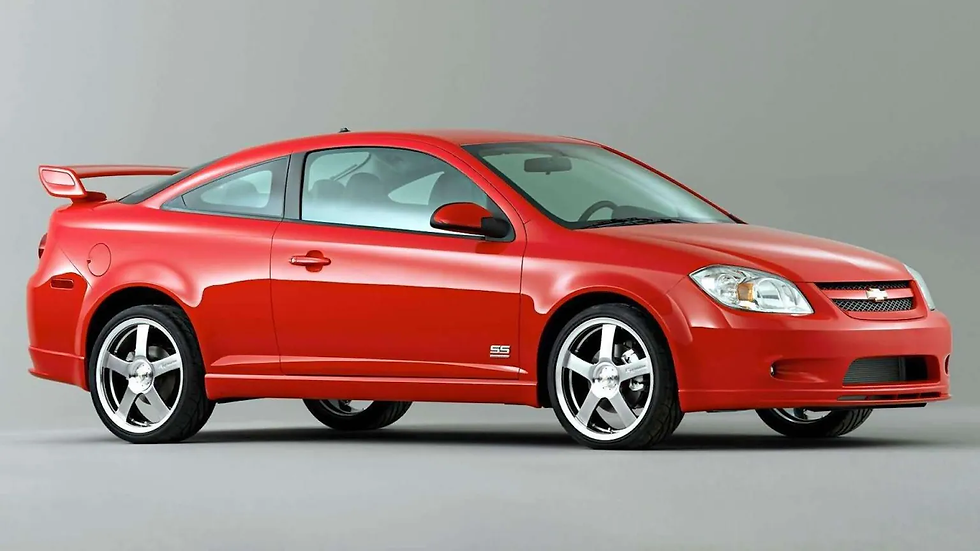
Affordable tuner icons replacing traditional collector prestige.
Gen Z enthusiasts are increasingly gravitating toward Japanese imports, tuner-era sport compacts, and analog driving experiences instead of traditional collector-status vehicles. Hagerty’s latest data shows younger enthusiasts heavily favoring models like the Honda Beat, Toyota Celsior, Acura RSX Type-S, and Chevrolet Cobalt SS — cars deeply connected to gaming culture, internet nostalgia, and early-2000s tuner identity. The contradiction is that while Gen Z has less disposable income than previous collector generations, it is still becoming one of the most culturally influential groups shaping the future of enthusiast demand.
Cars are increasingly functioning less as luxury status symbols and more as emotional lifestyle extensions tied to individuality, nostalgia, and creator culture. What makes this movement powerful is its combination of digital nostalgia and analog escapism — younger enthusiasts reconnecting with mechanical simplicity in an increasingly automated world dominated by EVs, software ecosystems, and convenience-driven technology. Symbolically, the trend reflects a broader generational desire to preserve emotional connection, creativity, and community through enthusiast ownership. The vehicle itself becomes part transportation tool, part internet identity, and part cultural archive.
Trend Overview: Emotion-Driven Enthusiast Culture Is Rewriting Automotive Value
• What is happening: Gen Z enthusiasts are increasingly gravitating toward affordable Japanese imports, tuner-era sport compacts, and analog enthusiast vehicles strongly tied to gaming culture and internet nostalgia ➡️ Cars like the Honda Beat, Acura RSX Type-S, Toyota Celsior, and Chevrolet Cobalt SS are gaining renewed relevance because they feel emotionally authentic rather than traditionally prestigious.
• Why it matters: Younger collectors are reshaping automotive enthusiasm around emotional connection, accessibility, and individuality instead of traditional collector hierarchy ➡️ Cultural relevance and internet mythology are increasingly becoming as important as rarity or horsepower.
• Cultural shift: Car culture is moving away from exclusivity and toward participation, customization, and identity expression ➡️ Enthusiast ownership now functions as a form of personal storytelling deeply connected to online communities and creator ecosystems.
• Consumer relevance: Younger drivers increasingly seek analog experiences, mechanical engagement, and customizable platforms in response to digitally saturated lifestyles ➡️ Manual transmissions, lightweight chassis, and tuner aesthetics now symbolize authenticity and emotional freedom.
• Market implication: Overlooked sport compacts and niche JDM imports may become future collector assets as nostalgia cycles evolve ➡️ Internet culture is rapidly increasing visibility and emotional value for cars once ignored by traditional collectors.
Trend Description: Digital Nostalgia Is Fueling The Next Collector-Car Movement
• Context: Gen Z grew up during the peak of tuner culture, racing games, and online enthusiast forums ➡️ Games like Gran Turismo and Need for Speed introduced younger audiences to niche enthusiast vehicles long before they entered the collector market.
• How it works: Emotional attachment created through gaming, YouTube builds, forums, and TikTok edits eventually converts into real-world enthusiast demand ➡️ Cars tied to internet nostalgia develop cult-like cultural relevance years later.
• Key drivers: Affordability, customization potential, creator culture, and analog driving engagement are accelerating interest in forgotten enthusiast platforms ➡️ Cars like the Chevrolet Cobalt SS and Honda Beat offer attainable ownership while still feeling unique and expressive.
• Why it spreads: TikTok edits, cinematic YouTube restorations, creator builds, and online communities continuously revive forgotten enthusiast models ➡️ Internet amplification allows niche enthusiast culture to sustain visibility without traditional automotive-media support.
• Where it is seen: The movement is strongest across North America, Japan, gaming communities, urban car meets, import scenes, and social-media enthusiast ecosystems ➡️ Online participation increasingly shapes real-world collector behavior.
• Key players and enablers: Hagerty, Gran Turismo, TikTok creators, YouTube builders, Honda, Toyota, Acura, Mitsubishi, Chevrolet, and JDM import ecosystems ➡️ Gaming culture, creator media, and enthusiast communities collectively shape modern automotive desirability.
• Future: Emotional nostalgia and analog engagement may become defining forces in future collector markets ➡️ As modern vehicles become more software-driven and automated, mechanically simple enthusiast cars may gain even stronger cultural and emotional value.
Insight: Internet Nostalgia Is Rewriting Collector-Car Culture
Gen Z’s enthusiasm for cars like the Honda Beat, Acura RSX Type-S, and Chevrolet Cobalt SS shows how emotional nostalgia is becoming more influential than traditional collector prestige in shaping future automotive demand.
Racing games, YouTube builds, TikTok edits, and online enthusiast forums have become modern automotive mythology engines — transforming overlooked tuner-era cars into culturally valuable identity objects.
Analog enthusiast vehicles are increasingly functioning as emotional escape tools for younger consumers seeking mechanical engagement, individuality, and authenticity inside an automated, software-driven transportation future.
The rise of affordable sport compacts and niche JDM imports proves that internet culture can now create collector relevance faster than traditional automotive media, auctions, or legacy enthusiast institutions.
Gen Z is not simply preserving car culture — it is rebuilding enthusiast identity around participation, customization, accessibility, and emotional connection rather than exclusivity and wealth signaling.
Why Analog Enthusiast Culture Is Growing: Digital Saturation, Identity Expression, and Affordable Escapism Converging
Gen Z’s fascination with JDM icons, tuner-era sport compacts, and analog enthusiast cars is growing because modern automotive culture increasingly feels emotionally detached, expensive, and overly digital. Younger consumers are gravitating toward vehicles that feel mechanical, customizable, and emotionally engaging. Cars like the Honda Beat, Acura RSX Type-S, and Chevrolet Cobalt SS represent participation rather than prestige. Gaming culture, TikTok edits, YouTube builds, and creator ecosystems continuously revive forgotten enthusiast cars and turn them into identity symbols. As modern vehicles become more software-driven, analog enthusiast platforms increasingly feel personal and emotionally alive.
The movement also reflects a broader shift away from passive consumption and toward active participation. Younger consumers increasingly want products they can modify, personalize, and emotionally connect with. Affordable tuner-era cars invite creativity, experimentation, and community participation rather than distant luxury signaling. The result is an enthusiast culture driven less by exclusivity and more by authenticity, storytelling, and accessibility.
Why The Trend Is Growing: The Cultural Forces Fueling Gen Z’s Automotive Nostalgia Economy
• Digital fatigue increasing demand for analog experiencesYounger consumers increasingly romanticize mechanical simplicity and tactile engagement as daily life becomes more software-driven.➡️ Manual transmissions, hydraulic steering, and physical controls now symbolize emotional authenticity.
• Gaming nostalgia heavily influencing enthusiast identityFranchises like Gran Turismo and Need for Speed created emotional attachment to niche enthusiast cars years before Gen Z entered the collector market.➡️ Digital nostalgia is now converting into real-world demand.
• Affordable enthusiast cars offering accessible participationYounger consumers face economic pressure and rising living costs, making lower-cost enthusiast platforms more realistic than exotic collector vehicles.➡️ Affordable tuner cars allow participation without luxury-level wealth.
• Creator culture amplifying forgotten enthusiast modelsTikTok edits, YouTube restorations, cinematic reels, and creator builds continuously revive obscure sport compacts and JDM imports.➡️ Social platforms now function as modern enthusiast-media ecosystems.
• Customization culture becoming central to ownership identityGen Z increasingly values products that can be personalized and visually differentiated online.➡️ Tuner-era cars naturally support identity expression through modification culture.
• Underdog cars carrying stronger emotional narrativesVehicles like the Chevrolet Cobalt SS or Toyota Celsior feel more relatable and emotionally authentic than unattainable supercars.➡️ Emotional relatability is becoming more culturally powerful than prestige alone.
• Online communities democratizing enthusiast cultureForums, Discord groups, TikTok communities, and creator channels allow younger enthusiasts to participate regardless of geography or income.➡️ Internet communities are reducing traditional enthusiast gatekeeping.
• Modern cars increasingly criticized for emotional detachmentTouchscreens, automation, EV interfaces, and subscription-based software features make older enthusiast vehicles feel more human and immersive.➡️ Analog engagement is becoming a cultural luxury.
• JDM culture remaining visually and culturally influentialJapanese tuner aesthetics continue shaping internet car culture through anime influence, streetwear overlap, and creator ecosystems.➡️ JDM nostalgia maintains strong visual relevance across younger demographics.
• Participation now valued more than ownership prestigeYounger enthusiasts increasingly prioritize experiences, creativity, and community over traditional collector validation.➡️ Car culture is shifting from exclusivity toward participation-driven identity.
Consumer Behavior: Why Younger Enthusiasts Are Rejecting Traditional Collector Values
Gen Z consumers increasingly approach enthusiast ownership through emotion, identity, and community rather than status or investment value. Cars feel culturally meaningful through gaming, internet culture, YouTube storytelling, and TikTok exposure. Many younger enthusiasts also value the ownership process itself — modifying, repairing, filming, and documenting vehicles becomes part of the reward. Enthusiast culture increasingly revolves around participation, creativity, and storytelling rather than preservation alone.
This generation also embraces imperfection and individuality more openly than previous collector demographics. Underdog cars with quirks or unconventional reputations often feel more emotionally compelling because they appear authentic rather than curated for prestige. Vehicles become creative projects, social connectors, online content tools, and emotional escape spaces simultaneously.
Description Of The Consumers: Digitally Native Enthusiasts Rebuilding Car Culture Around Emotion and Participation
Demographics: Younger Enthusiasts Prioritizing Accessibility and Identity
The primary audience includes consumers aged 18–29, predominantly male but increasingly diverse as creator culture and gaming communities expand participation. Most are middle-income, early-career, freelance, creator-economy, or emerging professional consumers navigating pragmatic spending behavior and rising living costs. They are highly digital-native and deeply immersed in online enthusiast communities and creator ecosystems. The trend is strongest across North America, Japan, and urban enthusiast hubs where import culture, gaming, and social-media participation remain highly visible.
These digitally native enthusiasts increasingly value emotional ownership experiences, online visibility, and cultural participation over traditional luxury signaling.
Lifestyle: Internet-Native Drivers Seeking Emotional and Mechanical Authenticity
This audience lives inside highly connected digital ecosystems while simultaneously romanticizing analog experiences and mechanical simplicity. They spend time watching automotive YouTube content, participating in TikTok car communities, gaming, attending local meets, photographing builds, and engaging with creator-driven enthusiast culture. Cars often function as emotional escape spaces from algorithmic and productivity-focused lifestyles.
Many also overlap with streetwear, gaming, anime, photography, and creator-economy cultures. They value individuality, customization, DIY aesthetics, and emotionally expressive ownership experiences. Rather than aspiring toward traditional luxury status, they increasingly seek authenticity, relatability, and participation. The car becomes both a personal identity object and a storytelling tool within online culture.
Insight: Analog Enthusiasm Is Becoming a Cultural Escape Mechanism
Analog cars increasingly symbolize authenticity, freedom, and emotional engagement inside a software-driven world.
Gaming nostalgia, TikTok edits, and creator culture now directly shape real-world collector demand.
Affordable tuner cars feel more emotionally relatable to Gen Z than traditional prestige collector vehicles.
Younger enthusiasts increasingly value participation, customization, and community over exclusivity and investment status.
The future of enthusiast culture may belong less to luxury collectors and more to emotionally driven digital-native communities.
Trends 2026: Analog Performance Nostalgia and Participation-Driven Car Culture Reshaping Automotive Identity
Gen Z’s growing obsession with overlooked JDM icons, tuner-era sport compacts, and analog enthusiast vehicles reflects a broader shift away from prestige ownership and toward emotional participation. Cars are increasingly becoming lifestyle artifacts tied to gaming nostalgia, creator culture, internet storytelling, and identity expression rather than traditional collector hierarchy. Vehicles like the Honda Beat, Acura RSX Type-S, and Chevrolet Cobalt SS now carry cultural relevance because they feel emotionally authentic, customizable, and attainable. As modern vehicles become more software-driven and emotionally detached, analog enthusiast platforms increasingly function as escape mechanisms and symbols of mechanical authenticity.
What makes the shift strategically important is that enthusiast desirability is no longer controlled primarily by auctions, legacy media, or traditional collector institutions. TikTok edits, YouTube builds, Discord communities, gaming nostalgia, and creator ecosystems are now accelerating emotional demand at internet speed. Cars once considered entry-level or culturally irrelevant are being reframed as emotionally meaningful identity objects. The result is a participation-driven enthusiast economy built around storytelling, accessibility, and community rather than exclusivity alone.
Trend Elements: The Core Cultural Forces Driving Analog Enthusiast Revival
• Digital Nostalgia CultureGaming franchises, YouTube edits, and internet car culture are transforming overlooked enthusiast vehicles into emotionally powerful nostalgia objects.➡️ Digital memories increasingly shape real-world collector demand.
• Participation-Driven OwnershipYounger enthusiasts increasingly value modifying, documenting, and experiencing cars rather than simply owning static assets.➡️ Participation is becoming more culturally valuable than prestige ownership.
• Affordable Performance IdentityCars like the Acura RSX Type-S and Chevrolet Cobalt SS offer emotional excitement without luxury-level cost barriers.➡️ Accessibility is expanding enthusiast participation among younger demographics.
• Analog EscapismManual transmissions, lightweight platforms, and mechanical simplicity now symbolize emotional authenticity in a software-driven automotive future.➡️ Analog engagement increasingly feels like a premium emotional experience.
• Internet Mythology BuildingTikTok creators, YouTube builders, and online forums continuously revive forgotten tuner-era vehicles through storytelling and visual culture.➡️ Online communities now shape automotive relevance at scale.
• Underdog Vehicle RomanticismYounger consumers increasingly gravitate toward imperfect and culturally overlooked enthusiast platforms.➡️ Emotional relatability is replacing traditional collector elitism.
• JDM Lifestyle InfluenceJapanese tuner aesthetics continue shaping automotive identity through overlap with gaming, anime, streetwear, and creator culture.➡️ JDM culture remains one of youth culture’s strongest visual languages.
• Community-Based EnthusiasmCar meets, Discord groups, TikTok communities, and creator ecosystems are democratizing enthusiast participation globally.➡️ Enthusiast identity increasingly forms through digital and social interaction.
• Creator-Led Automotive DiscoveryYounger consumers increasingly discover enthusiast cars through creators rather than traditional automotive journalism.➡️ Creator ecosystems are restructuring automotive influence.
• Emotion Over Investment ValueCars are increasingly purchased for emotional meaning and identity alignment rather than resale potential alone.➡️ Emotional storytelling is becoming a major driver of enthusiast demand.
Trend Table: The Cultural Shifts Reshaping Modern Enthusiast Identity
Trend Name | Description | Strategic Implications |
Analog Escapism | Younger enthusiasts increasingly romanticize mechanical simplicity and tactile driving experiences. | Brands may need to preserve emotional driving engagement even as vehicles become more digital. |
Participation Culture | Enthusiast identity increasingly revolves around customization, documentation, and creator participation. | Automotive brands must design ecosystems encouraging creative consumer involvement. |
Digital Nostalgia | Gaming culture and internet mythology are driving renewed interest in overlooked tuner-era vehicles. | Nostalgia-driven storytelling may become a key long-term marketing strategy. |
Affordable Performance Identity | Younger consumers seek emotionally exciting enthusiast platforms at accessible price points. | Affordable enthusiast vehicles may gain stronger strategic relevance globally. |
Creator-Led Influence | TikTok creators and YouTube builders increasingly shape automotive desirability. | Creator partnerships may become more influential than traditional automotive advertising. |
Underdog Car Romanticism | Imperfect or unconventional enthusiast vehicles now feel more emotionally authentic. | |
JDM Lifestyle Integration | Japanese tuner aesthetics remain deeply embedded in gaming, anime, and streetwear culture. | Automotive identity increasingly overlaps with broader youth culture ecosystems. |
Community-Based Enthusiasm | Online enthusiast groups and local meets are reshaping automotive participation globally. | Community-building may become a critical loyalty strategy for enthusiast brands. |
Emotional Ownership | Cars increasingly function as emotional identity objects rather than status assets alone. | Emotional storytelling may become more commercially powerful than prestige signaling. |
Mechanical Authenticity | Manual engagement and physical driving feel increasingly rare and culturally valuable. | Analog-inspired driving experiences may become future premium differentiators. |
Summary of Trends: The Emotional Participation Economy Reshaping Car Culture
• Main Trend: Analog Performance NostalgiaYounger enthusiasts are reviving overlooked tuner-era cars and analog enthusiast platforms through gaming nostalgia, creator culture, and emotional storytelling.➡️ Emotional connection is increasingly overtaking traditional collector prestige.
• Social Trend: Participation-Driven Identity CultureCars increasingly function as identity extensions tied to customization, storytelling, and online community participation.➡️ Enthusiast ownership is shifting from passive status toward active cultural involvement.
• Industry Trend: Creator-Led Automotive InfluenceTikTok creators, YouTube builders, and internet communities increasingly shape enthusiast demand and vehicle relevance.➡️ Creator ecosystems are restructuring traditional automotive influence hierarchies.
• Main Strategy: Emotional Accessibility PositioningBrands increasingly succeed by emphasizing relatability, analog engagement, and participation rather than exclusivity alone.➡️ Emotional accessibility may become a stronger growth driver than prestige signaling.
• Main Consumer Motivation: Authenticity and Emotional EscapeYounger enthusiasts increasingly seek vehicles that feel personal, mechanical, emotionally engaging, and culturally meaningful.➡️ Analog enthusiast cars now function as emotional escape tools inside highly digital lifestyles.
Cross-Industry Expansion: Analog Nostalgia Is Reshaping Fashion, Gaming, Lifestyle, and Experience Economies
Analog enthusiast culture is no longer isolated to automotive communities. The same emotional mechanics driving Gen Z’s fascination with JDM icons and analog driving experiences are now influencing fashion, gaming, music, photography, travel, and lifestyle culture more broadly. Younger consumers increasingly reject frictionless digital convenience in favor of tactile, emotionally immersive, and participation-driven experiences. Cars simply happen to be one of the clearest expressions of this wider analog identity movement.
The commercial logic behind the shift is becoming increasingly visible across industries. Products and experiences that feel nostalgic, customizable, emotionally engaging, and community-oriented generate stronger attachment than purely optimized convenience products. Whether it is vinyl records, mechanical watches, film cameras, wired headphones, or analog enthusiast cars, the appeal comes from emotional participation rather than passive consumption. Younger consumers increasingly value emotional immersion, identity expression, and cultural storytelling over maximum efficiency.
Expansion Factors: The Forces Accelerating Analog Identity Culture Across Industries
• Gaming culture normalizing analog nostalgia among younger audiencesRacing games, retro consoles, and simulation culture continue introducing younger consumers to older enthusiast products and aesthetics.➡️ Digital nostalgia increasingly converts into real-world purchasing behavior.
• Streetwear culture embracing motorsport and tuner aestheticsRacing jackets, sponsor graphics, and Japanese tuner aesthetics are increasingly visible in mainstream fashion.➡️ Automotive identity is becoming deeply integrated into youth style culture.
• Film photography and physical media revivals reinforcing analog lifestylesVinyl records, cassette players, film cameras, and wired headphones are resurging alongside analog enthusiast cars.➡️ Younger consumers increasingly romanticize tactile experiences and imperfect authenticity.
• Creator culture rewarding visually expressive hobbiesModified cars, restoration projects, and DIY builds generate highly shareable visual content across TikTok and YouTube.➡️ Social media increasingly rewards participatory hobbies with strong storytelling potential.
• Experience economies replacing ownership-first luxury cultureYounger consumers increasingly prioritize immersive experiences and emotional memories over static status accumulation.➡️ Participation and emotional engagement are becoming modern luxury signals.
• JDM aesthetics influencing broader lifestyle brandingJapanese tuner culture increasingly overlaps with anime, gaming, sneakers, and creator aesthetics.➡️ JDM identity functions as both an automotive and lifestyle language.
• Manual craftsmanship regaining emotional valueMechanical watches, handmade products, analog tools, and restoration culture are all gaining renewed relevance.➡️ Human imperfection increasingly feels more emotionally authentic than automation.
• Online communities accelerating niche cultural discoveryDiscord groups, Reddit forums, TikTok communities, and YouTube creators allow niche analog hobbies to scale globally.➡️ Internet communities now sustain subcultures that previously remained geographically isolated.
• Economic pressure increasing demand for attainable passion hobbiesAffordable enthusiast platforms feel more realistic than luxury consumption for younger generations navigating rising living costs.➡️ Accessibility increasingly shapes modern aspirational culture.
• Digital fatigue increasing emotional attachment to physical experiencesHighly screen-based lifestyles are increasing demand for tactile and mechanically immersive activities.➡️ Analog engagement increasingly functions as emotional recovery from digital overstimulation.
Insight: Emotional Participation Is Replacing Traditional Collector Prestige
Analog enthusiast cars increasingly function as identity objects, emotional escape spaces, and participation platforms rather than traditional collector assets.
Gaming nostalgia, TikTok creator culture, and YouTube storytelling are now powerful enough to reshape long-term enthusiast demand.
Affordable tuner-era vehicles feel culturally authentic because they prioritize relatability, creativity, and emotional accessibility over exclusivity.
Creator ecosystems are replacing traditional automotive media as the primary engines shaping enthusiast discovery and desirability.
The future of enthusiast culture may be defined less by wealth and rarity and more by community participation, customization, and emotional storytelling.
Innovation Opportunities: How Automotive Brands Can Build Emotion-First Enthusiast Ecosystems
The rise of analog enthusiast culture creates major opportunities for automotive brands, creator ecosystems, aftermarket companies, gaming platforms, and lifestyle industries. Younger consumers increasingly seek emotionally immersive ownership experiences instead of purely functional transportation products. This creates space for brands to rethink enthusiast engagement through customization ecosystems, creator-led storytelling, gaming nostalgia, experiential retail, and participation-driven communities. The future opportunity is not simply selling cars — it is building emotionally resonant identity ecosystems around them.
The most important strategic shift is that younger enthusiasts increasingly value participation, emotional connection, and cultural relevance over exclusivity alone. Brands that successfully create emotionally expressive ecosystems around customization, analog engagement, and creator participation may build stronger long-term loyalty than brands focused purely on prestige or technological optimization. Enthusiast culture increasingly behaves more like fandom culture — community-driven, emotionally immersive, and identity-based.
Innovation Directions: The Emerging Models Reshaping Enthusiast Culture
• Creator-led vehicle collaborationsAutomotive brands increasingly partner with YouTubers, streamers, and TikTok creators to launch enthusiast-focused projects and limited editions.➡️ Creator credibility increasingly drives cultural relevance.
• Retro-inspired modern vehicle designManufacturers are reviving analog-inspired aesthetics, physical controls, and emotionally engaging driving experiences.➡️ Emotional familiarity may become a premium differentiator in future EV markets.
• Gamified enthusiast ecosystemsBrands increasingly integrate gaming logic, rewards, digital experiences, and creator participation into ownership culture.➡️ Younger consumers increasingly expect interactive engagement systems.
• Community-first ownership platformsAutomotive brands are investing in owner communities, digital participation spaces, creator programs, and enthusiast events.➡️ Community ecosystems increasingly strengthen long-term loyalty.
• Affordable enthusiast product strategiesBrands continue introducing lower-cost enthusiast vehicles with strong customization and emotional identity value.➡️ Accessibility may become critical for sustaining future enthusiast culture.
• Analog-inspired luxury positioningMechanical engagement, simplicity, and tactile interaction increasingly function as premium emotional experiences.➡️ Emotional immersion may replace technological excess as a luxury signal.
• Creator-driven restoration cultureDIY restoration builds and modification content increasingly operate as entertainment ecosystems themselves.➡️ Restoration culture may become a major creator economy category.
• Cross-category lifestyle collaborationsAutomotive culture increasingly merges with gaming, anime, streetwear, music, and creator ecosystems.➡️ Car brands increasingly operate as lifestyle platforms rather than transportation companies alone.
• Experiential enthusiast retail spacesShowrooms are evolving into cultural hubs featuring simulators, cafés, creator events, and enthusiast programming.➡️ Physical retail increasingly shifts toward immersive participation experiences.
• Emotion-first enthusiast marketingBrands increasingly emphasize storytelling, nostalgia, and identity instead of performance specifications alone.➡️ Emotional branding may outperform purely technical positioning among younger audiences.
Summary of the Trend: Analog Enthusiast Culture as the Future of Emotional Automotive Identity
• Trend essence: Gen Z is transforming overlooked JDM icons, tuner-era sport compacts, and analog enthusiast cars into emotionally powerful identity platforms driven by gaming nostalgia, creator culture, customization, and participation-based ownership rather than traditional collector prestige.
• Key drivers: Gaming nostalgia, TikTok car edits, YouTube builds, creator ecosystems, analog escapism, affordable enthusiast platforms, customization culture, and digital fatigue accelerating demand for emotionally immersive driving experiences.
• Key players: Honda, Acura, Toyota, Chevrolet, gaming franchises like Gran Turismo and Need for Speed, TikTok creators, YouTube builders, Discord communities, aftermarket brands, and online enthusiast ecosystems shaping modern automotive relevance.
• Validation signals: Hagerty data showing disproportionate Gen Z interest in vehicles like the Honda Beat, Acura RSX Type-S, Toyota Celsior, and Chevrolet Cobalt SS, alongside rising creator content, growing online enthusiast communities, and increasing cultural visibility for analog enthusiast platforms.
• Why it matters: The movement signals a major generational shift away from prestige-driven collector culture toward emotionally accessible, participation-based enthusiast identity systems shaped by internet culture and creator amplification.
• Key success factors: Emotional relatability, customization potential, analog engagement, affordability, creator visibility, gaming nostalgia, strong community ecosystems, and culturally recognizable enthusiast storytelling.
• Where it is happening: North America, Japan, urban enthusiast hubs, TikTok automotive communities, YouTube creator ecosystems, gaming culture spaces, import scenes, and digitally native enthusiast communities globally.
• Audience relevance: Younger enthusiasts aged 18–29 seeking emotionally engaging, mechanically immersive, customizable, and culturally meaningful vehicles that feel personal rather than status-driven.
• Social impact: Analog enthusiast culture is repositioning cars from transportation tools and prestige assets into emotionally immersive identity objects connected to creator participation, internet storytelling, and community-based cultural expression.
Conclusion: Analog Enthusiast Culture as the Emotional Rebellion Against Automated Automotive Futures
Insights: Gen Z is transforming JDM icons, tuner-era sport compacts, and analog enthusiast cars into emotionally powerful systems of identity expression, creator participation, and digital nostalgia. Industry Insight: The shift enables automotive brands to compete through emotional engagement, customization ecosystems, and community participation rather than prestige positioning and technology alone. Consumer Insight: Younger enthusiasts increasingly seek vehicles that feel mechanical, emotionally immersive, and personally expressive instead of purely optimized transportation tools. Social Insight: Car culture is evolving toward participation-driven storytelling, creator amplification, and community-based identity formation across TikTok, YouTube, and digital enthusiast ecosystems. Cultural/Brand Insight: Analog enthusiast culture signals a future where automotive relevance increasingly succeeds through emotional authenticity, participatory identity, and human-centered experiences rather than automation dominance alone.


Comments