


Tradition Without the Rules: Why Consumers Want Classic Food With a Modern Twist

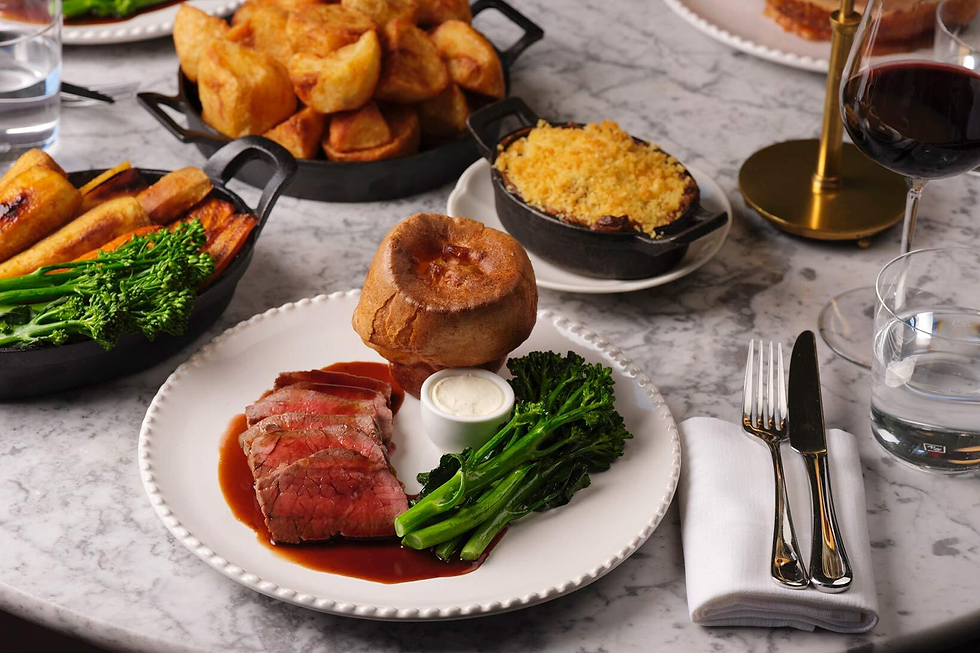
Consumers are rediscovering traditional food, but they aren't interested in preserving every rule that comes with it. British diners want Sunday roasts, fish and chips and full English breakfasts back on menus while simultaneously adding new condiments, global flavours, healthier adaptations and more visually appealing presentation. The result is a new kind of nostalgia: consumers want the emotional comfort of food they remember, but they increasingly expect permission to remake it for the way they eat today.
Why Everyone Is Talking About It: The Classics Are Back — But They're Changing
Nostalgia is driving renewed appetite for familiar British food. More than eight in ten British diners want restaurants, pubs and cafés to bring back the classic dishes they grew up with, with Millennials particularly enthusiastic about their return. But bringing a dish back no longer necessarily means recreating it exactly as it once appeared.
Younger consumers are already rewriting the rules. Ketchup now appears on 26.9% of roast dinners overall, rising to 39.2% among Gen Z, while a quarter of Gen Z diners add mayonnaise. Kimchi, hot sauce and other bolder flavours are also entering traditional eating occasions, showing how even culturally protected dishes can become platforms for contemporary tastes.
➡️ Viral Insight: The fun starts when consumers break the rules. Putting ketchup, mayo, kimchi or hot sauce on a traditional dish creates precisely the kind of cultural disagreement, generational comparison and personal opinion that turns familiar food into conversation again.
Why Consumers Are Changing: Keep the Memory, Change the Experience
Traditional food provides something increasingly valuable: familiarity. Consumers already understand the flavours, occasions and emotional associations surrounding dishes they grew up with. That recognition can provide comfort, particularly when everyday life feels increasingly fast, expensive or unpredictable.
But familiarity doesn't mean consumers want repetition. Contemporary diners have been exposed to far wider flavour influences, healthier eating expectations, premium ingredients and visually driven food culture. They therefore approach traditional dishes with a different mindset: preserve what makes the food emotionally recognizable, but allow everything around it to evolve.
➡️ Consumer Insight: Consumers want tradition — but they don't necessarily want traditional rules. The sweet spot is familiarity without rigidity: food that reminds consumers of something they know while still giving them something new to discover.
Who Is Driving This Trend: The Nostalgic Remixer
The Nostalgic Remixer has an emotional connection with familiar food but doesn't see tradition as untouchable. These consumers can love the Sunday roast while adding unexpected sauces, appreciate fish and chips while wanting better ingredients, or enjoy a full English while expecting a contemporary presentation.
Younger consumers are particularly important because their definition of authenticity can be more flexible. Global food influences, social media and greater exposure to different cuisines encourage them to treat traditional dishes as starting points rather than finished formulas. The memory matters, but so does making the experience personally relevant.
Core Motivations: Give Me Something I Know, But Make It Interesting
Comfort – Give Me Something FamiliarConsumers want to return to foods carrying recognizable flavours, memories and emotional associations.
Discovery – Give Me Something New TooConsumers want to experience novelty without completely abandoning dishes and flavours they already understand.
Personalization – Let Me Eat It My WayConsumers want to adapt traditional dishes through sauces, flavours, ingredients and combinations that reflect their individual tastes.
Authenticity – Keep the Roots RealConsumers want to understand where ingredients come from and feel that modern reinterpretation still has a meaningful connection to its origins.
Quality – Make the Classic Worth MoreConsumers want to see familiar dishes elevated through better ingredients, sourcing and preparation rather than simply reproduced cheaply.
Shareability – Make Tradition Look InterestingConsumers want to experience familiar food in ways that feel contemporary, visually appealing and worth sharing socially.
➡️ Audience Insight: The Nostalgic Remixer doesn't choose between old and new. These consumers want the emotional reassurance of familiarity combined with the freedom to update it around contemporary tastes.
Why This Trend Matters Right Now: Nostalgia Meets a More Global Food Culture
Nostalgia is gaining cultural relevance across music, fashion and food, but today's consumers return to the past with very different reference points. British diners may have grown up with traditional national dishes, yet their everyday flavour vocabulary now also includes influences from cuisines around the world. The result isn't necessarily the disappearance of traditional food — it is its reinvention.
Social media adds another pressure. Almost two-thirds of Gen Z and more than half of Millennials say social media has changed what they want restaurant food to look like. Traditional dishes therefore face a new expectation: they need to deliver familiar comfort while still looking contemporary enough to compete within an increasingly visual food culture.
➡️ Why It Matters: The past is returning through the expectations of the present. Successful nostalgia doesn't freeze food in time; it identifies what consumers emotionally want preserved and what they are ready to change.
Viral Potential: Breaking Food Rules Creates Conversation
Traditional food comes with cultural expectations, which makes changing it naturally conversational. Putting ketchup on a Sunday roast may be completely normal to one diner and culinary sacrilege to another. That disagreement gives remixed classics something conventional innovation often struggles to create: an immediate reason to have an opinion.
Social media intensifies the effect because visual reinvention makes familiar food newly noticeable. A traditional dish can trigger recognition before an unexpected sauce, presentation or ingredient creates surprise. Consumers don't need the dish explained to them before joining the conversation — they already know what it is supposed to be.
➡️ Viral Potential: RECOGNIZE → NOTICE THE TWIST → REACT → DEBATE → TRY → SHARE. Familiarity gives consumers an immediate point of reference; reinvention gives them something new to discuss.
Marketing Strategy: Keep the Memory, Update the Experience
The opportunity isn't to choose between tradition and innovation. Restaurants and food brands can identify the emotional elements consumers want preserved while updating flavour, sourcing, presentation and customization around contemporary expectations.
Strategy Area | Opportunity |
Product – Remix the Familiar | Keep recognizable dishes and core flavours while introducing contemporary sauces, global influences, healthier adaptations and unexpected combinations. |
Pricing – Turn Nostalgia Into Premium Value | Use quality ingredients, provenance and craftsmanship to elevate familiar dishes and give consumers clear reasons to pay more for modern classics. |
Promotion – Tell the Old Story in a New Way | Use memories, heritage and cultural recognition to attract attention, then showcase the contemporary twist that makes the experience relevant today. |
Distribution – Bring Classics Into New Occasions | Adapt familiar dishes for restaurants, pubs, cafés, food-to-go, delivery and other formats where modern consumers increasingly eat. |
Innovation – Make Classics Editable | Create dishes with customizable sauces, toppings, sides and flavour influences that allow consumers to personalize tradition without losing its identity. |
➡️ Strategic Insight: Preserve the emotional anchor and innovate around it. The strongest modern classics let consumers immediately recognize what they love while giving them enough novelty to rediscover it.
Trend Snapshot: The Past Is Becoming Editable
Traditional British food demonstrates how nostalgia is changing from reproduction into reinvention. Consumers aren't simply asking businesses to recreate yesterday; they are taking familiar cultural reference points and adapting them to contemporary expectations around flavour, quality, provenance, personalization and visual appeal.
Trend Dimension | Insight |
Broad Trend – Newstalgia | Consumers return to familiar cultural memories but reinterpret them through contemporary tastes, lifestyles and expectations. |
Industry Trend – Remixed Classics | Traditional dishes retain their recognizable identity while gaining new flavours, ingredients, presentation and healthier or premium adaptations. |
Lifestyle Trend – Tradition Without the Rules | Consumers increasingly feel comfortable respecting cultural traditions while adapting them according to personal tastes and modern lifestyles. |
Strategy – Keep the Memory, Update the Experience | Preserve the recognizable emotional core of familiar products while modernizing the elements surrounding it. |
Consumer Motivation – Give Me Something I Know, But Make It Interesting | Consumers want the reassurance of familiarity without sacrificing novelty, discovery or personal expression. |
Business Opportunity – Turn Familiar Food Into New Discovery | Familiar products can become innovation platforms because consumers require less education before experimenting with new versions. |
Innovation Outlook – Editable Classics | Traditional products can increasingly become flexible foundations that consumers and brands continuously reinterpret through flavour, format and customization. |
➡️ Trend Snapshot Insight: REMEMBER → RECOGNIZE → REMIX → PERSONALIZE → SHARE. Newstalgia succeeds when the memory remains recognizable but the experience feels designed for today.
Final Thoughts: The Future of Tradition Isn't Preservation
Consumers aren't abandoning food traditions. In many cases, they actively want them back. But returning to a classic doesn't require returning to every rule surrounding it. The emotional value of nostalgia increasingly comes from recognizing the dish, the memory or the occasion while still having freedom to experience it differently.
That creates a powerful innovation space for food brands and restaurants. Classics already possess awareness, meaning and emotional connection — advantages entirely new products must spend years building. The opportunity is to treat that heritage not as something that prevents change, but as a foundation consumers already trust enough to experiment with.
➡️ Final Insight: Consumers want the past, but they want to participate in rewriting it. Newstalgia preserves the comfort of familiarity while allowing flavour, presentation and personal expression to move forward. The future of traditional food may therefore depend on a simple principle: keep the memory, update the experience.


Comments