


Wine Bars Are Reinventing Restaurants: Why Consumers Want More Flexible Dining Experiences

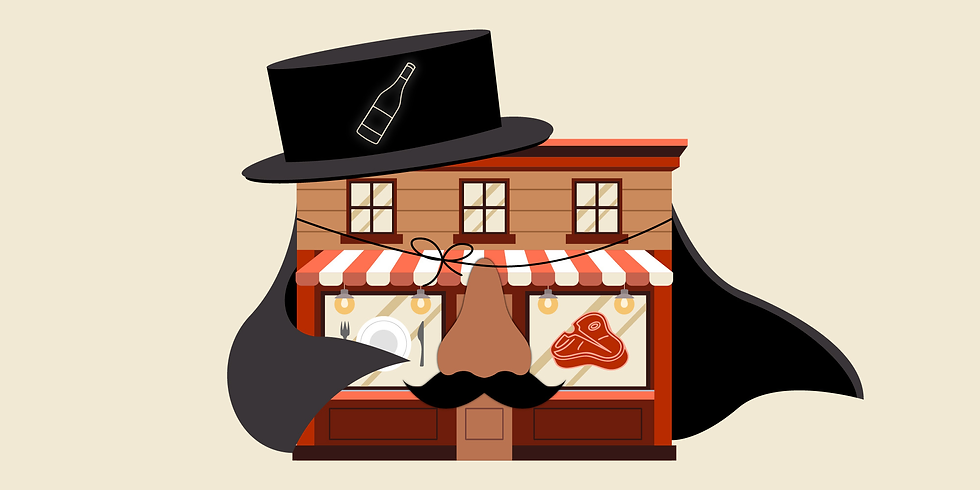
Trend: Experiences. Dining is becoming less defined by traditional restaurant rules and more by the complete experience surrounding food and drink. The rise of restaurant-quality venues identifying themselves as wine bars reflects a move toward Casual Fine Dining, where premium food, strong wine programs, social atmosphere and flexible ordering allow consumers to decide whether the occasion becomes one glass, a few shared plates or an entire dinner.
Why Everyone Is Talking About It: The Wine Bar Is Becoming the New Restaurant
Food-focused wine bars have been gaining attention for several years, but the format is moving further into restaurant territory. VinePair highlights New York's Lei, which describes itself as a wine bar despite winning the James Beard Foundation award for best new restaurant, as evidence of how blurred the distinction has become. Industry insiders cited in the article say the restaurant-as-wine-bar model is also spreading internationally.
What differentiates the newer format is the level of the food. Contemporary wine bars increasingly move beyond traditional cheese and charcuterie toward sophisticated cooking, while retaining smaller portions, sharing, relaxed service and a strong social atmosphere.
WINE BAR → WINE + FOOD → RESTAURANT AS WINE BAR
➡️ Viral Insight: The wine bar is becoming less a drinks format and more a new way of experiencing restaurants. Consumers can access serious food and wine without adopting the conventions traditionally associated with serious dining.
Why Consumers Are Changing: Great Dining Doesn't Have to Feel Formal
The traditional premium restaurant often defines the occasion before the customer arrives: reservations, structured courses, longer meals and particular expectations around service. Wine-bar restaurants loosen those boundaries. Hospitality experts cited by VinePair say the label itself communicates that the experience will be more casual, open and social.
This changes what premium dining can feel like. Consumers do not necessarily want lower quality; they want fewer obligations surrounding that quality. At Cult in Bruges, customers are explicitly encouraged to visit for anything from one glass to several drinks, a few snacks or something more substantial, without pressure to order a conventional three-course meal.
PREMIUM + FORMAL → PREMIUM + FLEXIBLE
➡️ Consumer Insight: Consumers increasingly want restaurants to provide the quality while allowing them to define the occasion. Convenience comes from removing commitment rather than reducing the experience.
Who Is Driving This Trend: The Flexible Diners
Flexible Diners want quality food and drink but do not necessarily want every restaurant visit to become a formal dining event. Their needs can change by occasion: sometimes they want dinner, sometimes drinks and snacks, and sometimes they simply want somewhere attractive and social to spend time.
The wine-bar restaurant accommodates those different intentions within the same venue. Instead of asking consumers to choose between a bar and a restaurant before going out, hybrid hospitality allows the experience to evolve after they arrive.
Core Motivations: Give Me Quality Without the Commitment
Convenience – Make Dining EasyConsumers want to enjoy quality food and drink without excessive planning, commitment or complicated expectations.
Freedom – Let Me Define the OccasionConsumers want to decide whether a visit becomes one drink, several shared plates or a complete meal.
Quality – Keep the Standards HighConsumers want to combine the accessibility of casual hospitality with food and drink that still feel premium.
Socialization – Give Me Somewhere to ConnectConsumers want to enjoy environments designed around conversation, sharing and spending time together.
Flexibility – Let the Experience Change With MeConsumers want to adjust how much they order, spend and stay according to the moment rather than a predefined format.
Discovery – Give Me Something Worth ExploringConsumers want to discover wines, dishes and pairings in environments that make experimentation feel approachable.
➡️ Audience Insight: Flexible Diners want premium hospitality without having to commit to a premium ritual. The value lies in being able to shape the experience around the occasion rather than shaping the occasion around the restaurant.
Why This Trend Matters Right Now: Fine Dining Is Becoming More Casual
VinePair identifies a broader “casualization of fine dining,” with hospitality experts connecting the shift partly to economic pressures, post-Covid changes and greater competition. The wine-bar label helps communicate that premium quality does not necessarily mean formal service or a rigid restaurant experience.
This casualization reaches far beyond terminology. Wine-bar restaurants often combine high-level cooking with smaller sharing portions, wine-led menus, relaxed front-of-house service and spaces designed around conversation and conviviality. VinePair describes the model as an entire worldview extending across food, service, design and atmosphere.
RESTAURANT DEFINES THE OCCASION → CONSUMER DEFINES THE OCCASION
➡️ Why It Matters: Casualization makes premium dining usable across more moments of everyday life. A restaurant no longer needs to be reserved exclusively for “dinner” when the same space can accommodate drinks, snacks, dates, socializing and full meals.
Viral Potential: Serious Food, Less Serious Dining
The wine-bar restaurant creates an attractive cultural contradiction: ambitious food without the stiffness associated with ambitious restaurants. Natural and low-intervention wines, small sharing plates, informal service and convivial spaces create an experience that feels culturally contemporary while still delivering culinary credibility.
That flexibility also gives consumers more ways to talk about and recommend the venue. The same place can become a wine destination, dinner recommendation, date spot, casual meeting place or somewhere to stop spontaneously for a glass.
ONE VENUE → MULTIPLE EXPERIENCES → MORE REASONS TO VISIT
➡️ Viral Potential: The strongest wine-bar restaurants resist being defined by a single occasion. Their cultural appeal comes from combining premium discovery with the freedom to experience the venue differently every time.
Marketing Strategy: Design the Whole Occasion
The strategic opportunity extends beyond adding better wine to restaurant menus. The wine-bar model shows how hospitality businesses can redesign the entire experience around greater consumer flexibility while preserving quality.
Strategy Area | Opportunity |
Product – Experience Design | Build Beyond the Meal. Combine quality food, distinctive wines, sharing formats, atmosphere and social interaction into one cohesive hospitality experience. |
Pricing – Flexible Spending | Let Consumers Choose Their Commitment. Offer glasses, small plates, sharing dishes and larger options that allow consumers to control how much the occasion costs. |
Promotion – Casual Premium | Make Quality Feel Approachable. Communicate serious food and drink without reproducing the intimidating codes traditionally associated with fine dining. |
Distribution – Occasion Flexibility | Create More Reasons to Visit. Design venues and service models capable of supporting drinks, snacks, meals and social occasions across different dayparts. |
Innovation – Hybrid Hospitality | Blur the Categories. Combine elements of restaurants, wine bars and social spaces rather than forcing venues into one traditional hospitality format. |
➡️ Strategic Insight: Experiences become more valuable when consumers can shape them themselves. The opportunity is to preserve premium quality while making the surrounding service, ordering and atmosphere flexible enough to accommodate multiple occasions.
Trend Snapshot: The Restaurant Is Becoming an Experience Platform
Wine-bar restaurants show how hospitality categories can become more fluid when consumers value convenience and experiential freedom. The strongest formats do not simply combine restaurants and bars; they create environments capable of changing according to what the customer wants from the occasion.
Trend Dimension | Insight |
Broad Trend – Experiences | Dining Is More Than the Meal. Consumers increasingly value the atmosphere, social interaction and freedom surrounding food and drink. |
Industry Trend – Casual Fine Dining | Serious Food, Less Serious Dining. Restaurant-quality cooking moves into relaxed wine-bar environments with fewer traditional dining conventions. |
Lifestyle Trend – Flexible Dining | One Glass or a Whole Dinner. Consumers want venues that allow them to decide what kind of occasion they are having. |
Strategy – Experiences | Design the Whole Occasion. Food, wine, service, atmosphere and social interaction combine into one flexible hospitality experience. |
Consumer Motivation – Convenience | Make Dining Easy. Consumers want quality experiences without excessive planning, commitment or rigid ordering expectations. |
Consumer Drive – Freedom | Let Me Decide How I Dine. Consumers want control over how much they order, how long they stay and what the occasion becomes. |
Business Opportunity – Occasion Expansion | One Venue, More Reasons to Visit. Wine-bar restaurants can capture drinks, snacks, meals and social occasions across more dayparts. |
Innovation Outlook – Hybrid Hospitality | Blur the Bar-Restaurant Boundary. Hospitality formats increasingly combine drinking, dining and socializing within adaptable environments. |
➡️ Trend Snapshot Insight: EXPERIENCES → CASUAL FINE DINING → FLEXIBLE DINING. Consumers still want quality, but the experience surrounding that quality is becoming more casual, convenient and adaptable to different occasions.
Final Thoughts: Premium Dining Without the Rules
The rise of restaurant-quality wine bars reflects a larger redefinition of what a premium hospitality experience needs to look like. Quality food and wine remain important, but formal service structures and predefined dining occasions are becoming less essential. The wine-bar format replaces some of those conventions with sharing, conversation, flexibility and a more approachable atmosphere.
The business logic reinforces the consumer appeal. VinePair reports that wine-bar positioning can increase the number of occasions a venue serves, improve seat utilization and potentially create operating advantages around beverage service and wine-by-the-glass margins.
➡️ Final Insight: Consumers want dining experiences that combine quality with convenience and freedom. Casual Fine Dining transforms premium hospitality from a predefined ritual into an experience consumers can shape around the moment. The future restaurant may increasingly succeed not by telling diners what kind of occasion they are having, but by giving them the freedom to decide for themselves.


Comments