


Attitude Luxury Culture: Celebrity Presence Is Becoming More Important Than The Outfit Itself
- InsightTrendsWorld

- 23 hours ago
- 11 min read
Fashion Influence Is Moving From Styling Alone Toward Personality-Driven Luxury Identity
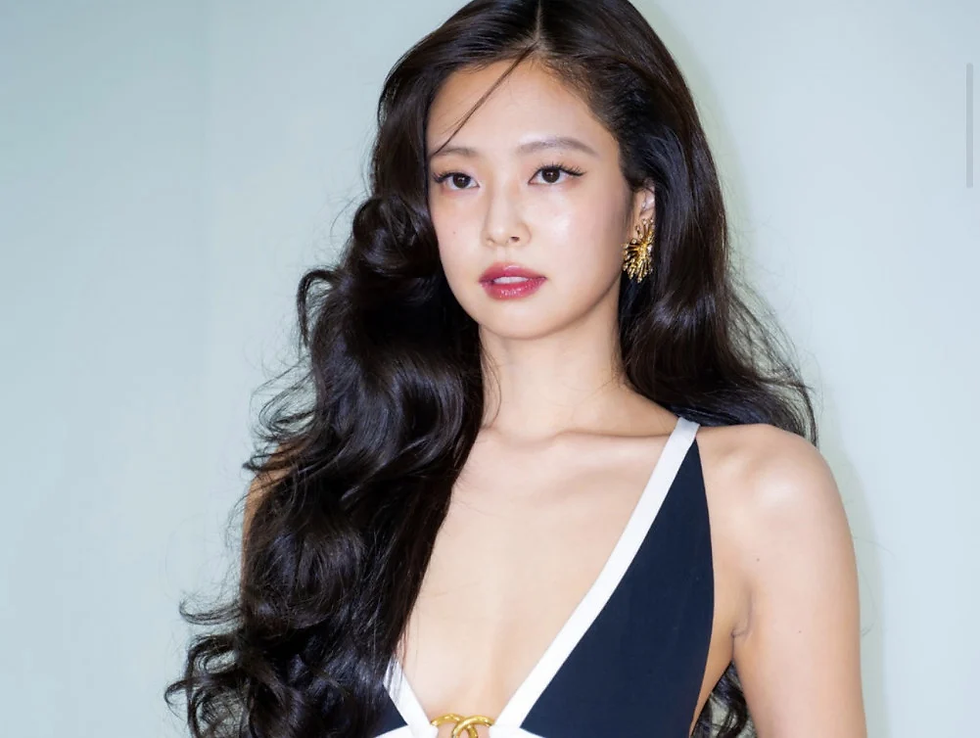
Modern luxury fashion culture is increasingly shifting away from purely outfit-centered influence toward attitude luxury culture built around charisma, personal aura, effortless confidence, and emotionally recognizable celebrity identity. The viral reaction to Jennie at the Chanel Métiers d’Art Seoul show reflects this transformation by proving that celebrity energy, styling harmony, and cultural presence increasingly matter more than the clothing alone.
Rather than obsessing exclusively over garments, audiences increasingly evaluate luxury fashion through the lens of personality, confidence, emotional vibe, and visual coherence. Jennie’s Chanel appearance resonated because her hair, makeup, posture, facial expression, and effortless confidence combined into a highly recognizable “main-character” fashion moment that felt naturally aspirational rather than overly styled. Fashion no longer represents clothing alone — it increasingly represents identity-performance infrastructure.
At the same time, younger audiences are increasingly fatigued by overproduced influencer aesthetics and excessively engineered luxury campaigns. Jennie’s appeal feels authentic because she projects emotional ease, understated confidence, and natural coolness instead of trying too hard to appear fashionable. The result is a luxury landscape where celebrity aura increasingly functions as the primary luxury product itself.
Trend Overview: Attitude Luxury Culture Becoming Mainstream
What is happening — Celebrity fashion moments increasingly go viral because of attitude, aura, and confidence rather than clothing alone.
➡️ implication: Personality increasingly drives fashion influence.
Why it matters — Audiences increasingly seek emotionally recognizable and naturally aspirational luxury figures.
➡️ implication: Authentic charisma increasingly shapes engagement.
Cultural shift — Fashion culture is evolving from outfit-focused admiration toward identity-driven luxury storytelling.
➡️ implication: Presence increasingly becomes fashion currency.
Consumer relevance — Consumers increasingly want fashion inspiration that feels emotionally expressive and personality-centered.
➡️ implication: Styling increasingly functions as identity projection.
Market implication — Luxury brands increasingly compete through celebrity aura alignment and culturally resonant ambassadors.
➡️ implication: Human branding increasingly drives luxury visibility.
Trend Description: How Jennie Became The Face Of Attitude Luxury Culture
Context — K-pop globalization, celebrity-driven luxury marketing, TikTok fashion culture, personality-centered branding, and social-media virality accelerated the movement.
➡️ implication: Celebrity identity increasingly shapes luxury communication.
How it works — Fashion moments go viral when styling, body language, emotional energy, and celebrity image align into a recognizable and emotionally aspirational aesthetic narrative.
➡️ implication: Emotional coherence increasingly drives fashion virality.
Key drivers — Social-media image culture, fandom amplification, luxury-brand ambassador ecosystems, celebrity-focused fashion coverage, and “main-character energy” aesthetics accelerated the trend.
➡️ implication: Personality increasingly becomes luxury storytelling infrastructure.
Why it spreads — Jennie combines effortless styling, recognizable aura, K-pop visibility, understated confidence, and luxury-brand alignment into highly shareable visual moments.
➡️ implication: Emotional vibe increasingly fuels fashion virality.
Where it is seen — Luxury fashion weeks, TikTok fashion edits, K-pop ambassador culture, Instagram fashion ecosystems, celebrity paparazzi aesthetics, and global luxury campaigns.
➡️ implication: Fashion increasingly merges with celebrity identity culture.
Key Players & Innovators — Jennie, Chanel, BLACKPINK’s luxury-fashion ecosystem, and K-pop celebrity branding culture shaped the trend through personality-led luxury influence.
➡️ implication: K-pop increasingly functions as global luxury-brand infrastructure.
Future — Attitude Luxury Culture may increasingly expand into AI-personality fashion ecosystems, vibe-based luxury marketing, fandom-driven styling trends, and emotionally branded celebrity-commerce systems.
➡️ implication: Fashion increasingly evolves around emotional identity signaling.
Insight: Luxury Fashion Is Becoming Personality-Driven Emotional Branding
The rise of Attitude Luxury Culture reflects the emergence of personality-centered, emotionally aspirational, and celebrity-driven fashion ecosystems rooted in aura, confidence, and identity signaling.
Audiences increasingly seek authentic charisma, emotionally coherent styling, and effortless luxury aesthetics rather than heavily engineered fashion presentation alone.
Luxury-fashion innovation is evolving toward vibe-based branding, celebrity-aura marketing, identity-performance styling, and emotionally recognizable fashion ecosystems powered by personality and fandom culture.
The movement succeeds because it combines luxury symbolism, main-character energy, social-media virality, and emotionally resonant celebrity identity into scalable fashion ecosystems.
The future of luxury fashion may increasingly depend on building emotionally recognizable, personality-led, and culturally viral luxury ecosystems rooted in aura, confidence, and identity-driven visual storytelling.
Why Attitude Luxury Culture Is Exploding: Celebrity Aura, K-Pop Influence, and Identity Styling Converging
Consumers Increasingly Want Fashion That Feels Emotionally Effortless Instead Of Overproduced
The rise of Attitude Luxury Culture reflects how younger audiences increasingly reject heavily curated and obviously performative luxury aesthetics in favor of emotionally natural and personality-driven fashion moments. Jennie’s Chanel appearance resonated because the styling felt emotionally coherent — the clothing, posture, confidence, facial expressions, and overall energy aligned into a complete “effortless luxury” identity narrative.
Consumers increasingly evaluate fashion influence based on emotional vibe and cultural presence rather than garments alone. Luxury now feels more aspirational when it appears instinctive, relaxed, and naturally embodied instead of aggressively styled for validation.
Elements Driving the Trend: Personality-Led Fashion Reshaping Luxury Culture
• Driver 1: Celebrity Identity Branding Expanding➡️ Luxury brands increasingly rely on recognizable personality ecosystems instead of traditional campaigns alone.
• Driver 2: K-Pop Luxury Influence Growing➡️ K-pop idols increasingly function as global fashion and cultural authority figures.
• Driver 3: “Main Character Energy” Aesthetics Rising➡️ Audiences increasingly value confidence, posture, and emotional presence as style markers.
• Driver 4: Overproduced Influencer Fatigue Intensifying➡️ Consumers increasingly prefer fashion moments that feel emotionally natural and unforced.
• Driver 5: Social-Media Vibe Culture Mainstreaming➡️ Emotional atmosphere increasingly shapes online fashion engagement and virality.
Virality of Trend: Aura and Emotional Presence Becoming Shareable Fashion Currency
The trend spreads rapidly because celebrity “attitude moments” are highly screenshot-friendly, memeable, and emotionally recognizable online. Jennie’s expressions, body language, and effortless styling created a visual narrative audiences could instantly understand and emotionally project onto.
At the same time, TikTok and K-pop fandom ecosystems naturally amplify emotionally charged luxury visuals through edits, reaction posts, and fashion analysis culture.
Consumer Reception: Audiences Embracing Personality-Driven Luxury
Consumers respond positively because attitude luxury feels emotionally authentic and culturally relatable compared to rigid high-fashion presentation. Many audiences increasingly admire celebrities who appear naturally stylish rather than excessively polished.➡️ implication: Effortlessness increasingly defines aspirational luxury.
Consumers also connect strongly with emotionally recognizable fashion identities.➡️ implication: Personality increasingly shapes fashion loyalty.
At the same time, aura-driven styling creates stronger parasocial and fandom engagement.➡️ implication: Emotional attachment increasingly fuels luxury visibility.
Consumer Description: Fashion-Obsessed and Identity-Driven Digital Audiences
These consumers are highly engaged with K-pop culture, TikTok fashion edits, celebrity styling breakdowns, luxury-brand fandoms, and social-media aesthetics. They increasingly seek fashion inspiration rooted in emotional identity and visual vibe rather than trend replication alone.
➡️ implication: Fashion increasingly functions as personality signaling infrastructure.
Rather than admiring luxury purely for exclusivity, these audiences value confidence, individuality, emotional expression, and recognizable personal style.➡️ implication: Emotional relatability increasingly shapes luxury aspiration.
Demographics: Social-Media-Native and Celebrity-Driven Fashion Audiences
These audiences are primarily Gen Z, younger Millennials, K-pop fandoms, luxury-fashion consumers, beauty audiences, and social-media-driven style communities.
Age: 15–35
Gender: Strong female audience participation with broad mainstream fashion engagement
Income: Mass-market aspirational luxury consumers to premium fashion buyers
Education: Digitally immersed consumers, fandom communities, trend-conscious audiences
Lifestyle: Consumers Turning Fashion Into Identity Performance
These consumers spend significant time engaging with celebrity fashion edits, luxury-campaign imagery, K-pop content, beauty routines, aesthetic moodboards, and social-media styling culture. Fashion increasingly functions as emotional storytelling and identity construction.
Viewing behavior: Heavy engagement with TikTok fashion edits, celebrity airport looks, fashion-week coverage, K-pop visuals, and styling breakdowns
Media behavior: Active across TikTok, Instagram, YouTube fashion culture, fandom communities, and luxury-brand ecosystems
Lifestyle habits: Moodboard curation, trend analysis, beauty experimentation, aesthetic posting, celebrity-style inspiration
Decision drivers: Emotional vibe, confidence, aesthetic harmony, aspirational identity, visual coherence
Values: Authenticity, individuality, emotional expression, confidence, effortless coolness
Expectation shift: Preference for emotionally recognizable style identities over purely trend-driven fashion consumption
Consumer Motivation: Seeking Confidence, Aura, and Emotional Identity
• Wanting emotionally aspirational style inspiration➡️ Consumers increasingly seek fashion that feels naturally embodied and emotionally expressive.
• Connecting with celebrity identity narratives➡️ Parasocial attachment increasingly shapes luxury engagement.
• Escaping overproduced influencer culture➡️ Audiences increasingly prefer effortless and emotionally believable fashion aesthetics.
• Projecting identity through visual styling➡️ Fashion increasingly functions as emotional self-branding.
Why Trend Is Growing: Celebrity Branding, K-Pop Visibility, and Vibe Culture Aligning Simultaneously
The trend is gaining popularity because it combines celebrity aura, emotionally coherent styling, fandom amplification, and social-media visual culture into one scalable luxury ecosystem.
• Emotional driver: Desire for confidence and emotional aspiration➡️ Consumers increasingly seek fashion that communicates effortless self-possession.➡️ This strengthens attitude-luxury engagement.
• Industry context: Luxury brands competing through celebrity influence➡️ Fashion houses increasingly prioritize emotionally recognizable ambassadors.➡️ This accelerates personality-led luxury marketing.
• Audience alignment: Consumers immersed in visual social-media culture➡️ Emotional vibe increasingly shapes digital engagement behavior.➡️ This naturally supports aura-driven fashion virality.
• Motivation alignment: Desire for identity-based fashion inspiration➡️ Consumers increasingly use fashion as emotional and social self-expression.➡️ This expands attitude-luxury ecosystems.
Insight: Luxury Fashion Is Becoming Aura-Driven Identity Infrastructure
Attitude Luxury Culture reflects the rise of personality-centered, emotionally aspirational, and celebrity-driven fashion ecosystems rooted in aura, confidence, and identity signaling.
The trend scales because audiences increasingly seek emotionally coherent, authentically charismatic, and effortlessly stylish luxury figures rather than overproduced influencer aesthetics alone.
The value lies in combining celebrity aura, social-media virality, identity-driven styling, and emotionally resonant fashion storytelling into scalable luxury ecosystems.
The implication is a future where fashion increasingly functions as personality-performance and emotional-branding infrastructure rather than garment-focused presentation alone.
It reveals that modern luxury culture increasingly rewards confidence, emotional authenticity, visual coherence, and identity-led fashion ecosystems over purely trend-based styling alone.
Trends 2026: Attitude Luxury Culture and Aura-Driven Styling Reshaping Fashion Influence
Fashion Is Moving From Outfit Consumption Toward Personality Performance
The rise of Attitude Luxury Culture reflects a broader transformation where fashion increasingly functions as emotional identity projection rather than clothing presentation alone. Celebrity aura, effortless confidence, emotional coherence, and recognizable personal energy are reshaping luxury culture into personality-led ecosystems centered around vibe and presence rather than garments alone.
At the same time, audiences are increasingly fatigued by over-styled influencer aesthetics and algorithmically optimized fashion content. Aura-driven luxury feels emotionally fresher because it prioritizes confidence, natural charisma, and instinctive styling over excessive trend performance. The result is a fashion landscape where celebrity presence increasingly functions as the real luxury product itself.
Trend Elements: Personality-Led Fashion Reshaping Luxury Culture
• Aura-driven luxury influence➡️ Celebrity energy increasingly shapes fashion desirability.
• Identity-performance styling➡️ Fashion increasingly functions as emotional self-branding.
• Effortless luxury aesthetics➡️ Consumers increasingly prefer relaxed and naturally aspirational styling.
• K-pop fashion globalization➡️ K-pop idols increasingly dominate luxury visibility and cultural influence.
• Main-character energy fashion culture➡️ Confidence and emotional presence increasingly become style indicators.
• Emotionally coherent styling systems➡️ Audiences increasingly reward visual harmony and vibe consistency.
• Celebrity-fandom luxury ecosystems➡️ Parasocial engagement increasingly drives fashion virality.
• Anti-overproduction fashion behavior➡️ Consumers increasingly reject aggressively curated influencer aesthetics.
• Social-media vibe fashion culture➡️ Emotional atmosphere increasingly shapes digital style engagement.
• Personality-first luxury branding➡️ Fashion brands increasingly market identity and aura instead of products alone.
Trend Table: Attitude Luxury Culture Reshaping Fashion Influence
Trend Name | Description | Strategic Implications |
Attitude Luxury Culture | Aura becoming more important than garments | Personality increasingly drives luxury influence |
Identity-Performance Fashion | Styling functioning as emotional self-branding | Fashion increasingly becomes psychological signaling |
Effortless Luxury Aesthetics | Relaxed confidence replacing overstyling | Natural charisma increasingly shapes aspiration |
K-Pop Luxury Dominance | Idols driving global luxury engagement | Fandom ecosystems increasingly fuel fashion marketing |
Main-Character Styling | Confidence and posture becoming style currency | Emotional presence increasingly defines fashion desirability |
Celebrity-Aura Branding | Personal energy functioning as luxury value | Human branding increasingly dominates campaigns |
Emotionally Coherent Fashion | Styling and personality aligning visually | Vibe consistency increasingly drives virality |
Anti-Influencer Overproduction | Audiences rejecting excessively polished aesthetics | Authenticity increasingly shapes engagement |
Social-Media Vibe Culture | Emotional atmosphere dominating fashion content | Mood increasingly becomes fashion infrastructure |
Parasocial Luxury Ecosystems | Celebrity attachment fueling fashion consumption | Emotional connection increasingly drives brand loyalty |
Summary of Trends: Fashion Becoming Emotionally Identity-Driven
• Main Trend➡️ Attitude Luxury Culture and aura-driven styling are reshaping fashion influence.
• Social Trend➡️ Consumers increasingly seek emotionally recognizable and personality-centered fashion inspiration.
• Industry Trend➡️ Luxury brands increasingly compete through celebrity aura alignment and fandom-driven visibility.
• Main Strategy➡️ Emotional coherence, effortless confidence, and identity storytelling increasingly drive engagement.
• Main Consumer Motivation➡️ Audiences seek confidence, emotional aspiration, individuality, and recognizable style identity.
Cross-Industry Expansion: Aura Culture Expanding Beyond Fashion
The personality-performance mindset shaping attitude luxury trends is increasingly influencing beauty, music marketing, wellness branding, creator culture, hospitality aesthetics, and social-media commerce ecosystems. Consumers increasingly reward experiences and personalities that feel emotionally coherent and naturally aspirational.
At the same time, visual social-media culture is reshaping broader branding expectations entirely. Emotional vibe and identity recognition increasingly function as premium value signals across industries.
Expansion Factors: Personality Ecosystems Reshaping Consumer Culture
• AI-powered vibe styling systems➡️ Fashion platforms increasingly may personalize styling recommendations according to emotional identity and aura aesthetics.
• Celebrity-avatar fashion ecosystems➡️ Digital identity systems increasingly may replicate celebrity-inspired styling behaviors.
• Emotion-first luxury campaigns➡️ Brands increasingly may market emotional atmosphere and personality over products alone.
• Parasocial commerce ecosystems➡️ Consumers increasingly may purchase products tied to emotionally recognizable celebrity identities.
• Aura-driven beauty systems➡️ Beauty trends increasingly may prioritize vibe and confidence enhancement over perfection aesthetics.
• K-pop luxury expansion➡️ Entertainment-fandom ecosystems increasingly may dominate global luxury marketing infrastructure.
• Identity-based fashion AI tools➡️ Consumers increasingly may use AI to build emotionally coherent personal aesthetics.
• Soft-charisma branding systems➡️ Brands increasingly may prioritize relatability and emotional ease over aspirational distance.
• Emotionally immersive retail experiences➡️ Luxury spaces increasingly may focus on atmosphere and identity projection rather than product display alone.
• Main-character lifestyle ecosystems➡️ Consumers increasingly may curate entire lifestyles around emotionally aspirational aesthetic identities.
Insight: Fashion Is Becoming Emotional Identity Infrastructure
Attitude Luxury Culture reflects the rise of personality-centered, emotionally aspirational, and celebrity-driven fashion ecosystems rooted in aura, confidence, and identity signaling.
The trend scales because audiences increasingly seek emotionally coherent, authentically charismatic, and effortlessly stylish luxury figures rather than overproduced fashion performance alone.
The value lies in combining celebrity aura, social-media virality, identity-performance styling, and emotionally resonant visual storytelling into scalable luxury ecosystems.
The implication is a future where fashion increasingly functions as personality-performance and emotional-branding infrastructure rather than garment-centered consumption alone.
It reveals that modern luxury culture increasingly rewards confidence, emotional authenticity, visual harmony, and identity-led fashion ecosystems over purely trend-driven styling and heavily engineered influencer aesthetics alone.
Innovation Opportunities: How Luxury Brands Can Build Personality-Driven and Emotionally Aspirational Fashion Ecosystems
Fashion Is Becoming Emotional Identity and Aura Infrastructure
The rise of Attitude Luxury Culture shows that consumers increasingly want fashion ecosystems that feel emotionally recognizable, personality-led, and naturally aspirational rather than excessively polished or trend-manufactured. Jennie’s Chanel moment succeeded because the clothing, confidence, posture, styling, and emotional presence aligned into one instantly recognizable luxury identity experience.
At the same time, audiences are increasingly exhausted by hyper-curated influencer aesthetics and obvious fashion performance. Aura-driven luxury feels emotionally fresher because it prioritizes confidence, authenticity, and effortless charisma over visible effort and algorithmic perfection. This creates opportunities for luxury brands to build emotionally resonant ecosystems rooted in vibe, personality, and identity-driven storytelling.
Innovation Directions: Aura Culture Reshaping Luxury Strategy
• AI-powered identity styling systems➡️ Fashion platforms increasingly may personalize styling recommendations according to emotional vibe and personality aesthetics.
• Emotion-first luxury campaigns➡️ Brands increasingly may prioritize aura, energy, and emotional atmosphere over product-focused advertising.
• Celebrity-presence commerce ecosystems➡️ Consumers increasingly may purchase products tied to emotionally recognizable celebrity identity narratives.
• K-pop luxury expansion systems➡️ Entertainment-fandom ecosystems increasingly may dominate global luxury visibility and cultural influence.
• Main-character fashion platforms➡️ Digital styling ecosystems increasingly may help consumers build emotionally aspirational personal aesthetics.
• Aura-driven beauty ecosystems➡️ Beauty brands increasingly may market confidence and emotional presence over perfection-focused standards.
• Parasocial luxury engagement systems➡️ Fandom attachment increasingly may shape luxury purchasing behavior and brand loyalty.
• Emotionally immersive retail spaces➡️ Luxury stores increasingly may focus on atmosphere, mood, and identity projection rather than transactional shopping alone.
• Soft-charisma branding ecosystems➡️ Brands increasingly may prioritize relatability and emotional ease over unattainable aspiration.
• Vibe-based luxury marketing➡️ Fashion campaigns increasingly may organize around emotional storytelling and aesthetic energy instead of trend cycles alone.
Summary of the Trend: Fashion Becoming Personality-Driven Emotional Branding
• Trend essence — Attitude Luxury Culture reflects the rise of aura-driven and personality-centered fashion ecosystems.
• Key drivers — K-pop globalization, celebrity branding, social-media vibe culture, parasocial engagement, and anti-overproduction fashion behavior.
• Key players — Jennie, Chanel, BLACKPINK, K-pop luxury ecosystems, and celebrity-driven fashion communities.
• Validation signals — Viral celebrity styling moments, fashion-edit culture, K-pop ambassador dominance, fandom-driven luxury engagement, and aura-focused fashion discussions.
• Why it matters — Consumers increasingly prioritize emotional identity, confidence, visual coherence, and naturally aspirational style inspiration.
• Key success factors — Emotional authenticity, effortless styling, recognizable aura, celebrity charisma, and socially shareable visual storytelling.
• Where it is happening — Fashion weeks, TikTok style culture, K-pop luxury campaigns, celebrity airport fashion, Instagram aesthetics, and luxury-brand ambassador ecosystems.
• Audience relevance — Gen Z, younger Millennials, K-pop fandoms, fashion audiences, beauty consumers, and social-media-native style communities increasingly shape aura-driven luxury culture.
• Social impact — Fashion culture is shifting toward personality performance, emotional identity signaling, vibe-based aspiration, and celebrity-centered luxury ecosystems.
Conclusion: Luxury Fashion Is Becoming Aura and Identity Infrastructure
Insights: Attitude Luxury Culture reflects the rise of personality-centered, emotionally aspirational, and celebrity-driven fashion ecosystems where aura increasingly functions as the real luxury product itself. Industry Insight: Luxury brands increasingly compete through celebrity aura alignment, emotion-first branding, vibe-based storytelling, and parasocial fandom ecosystems rather than garment-focused marketing alone. Consumer Insight: Audiences increasingly seek emotionally coherent, effortlessly stylish, and authentically charismatic fashion inspiration rooted in confidence and identity projection. Social Insight: Modern fashion culture increasingly rewards visual harmony, emotional presence, soft charisma, and identity-driven styling ecosystems across digital and luxury environments. Cultural/Brand Insight: The future of luxury fashion will increasingly depend on building emotionally recognizable, personality-led, and culturally viral fashion ecosystems rooted in aura, confidence, fandom engagement, and identity-based visual storytelling.


Comments