
Automotive: Driverless Dreams Deferred: Why Autonomous Vehicles Face a Long Road Ahead
- InsightTrendsWorld

- Jul 24
- 18 min read
Why the Driverless Car Rollout is a Trending Topic: Hype Meets Reality
The widespread adoption of driverless cars is a trending topic because it represents a complex intersection of ambitious technological advancement, significant societal implications, and persistent real-world challenges. Despite a decade of development and trials, the immediate future of autonomous vehicles on public roads remains a subject of intense debate and public interest.
High Expectations vs. Slow Progress: Over a decade ago, autonomous vehicles were touted as the future of transport, promising revolutionary changes. The slow pace of mass adoption, despite prototypes and robotaxi fleets in some regions, creates a tension between the initial hype and the current reality.
Safety Concerns and Public Trust: The promise of enhanced safety by eliminating human error is a major driver, but the lack of "converging evidence" and incidents like rear-end crashes involving self-driving tech keep safety a top concern. Public trust hinges on undeniable safety records.
Lagging Regulatory Frameworks: Technology is advancing rapidly, but the legislative and regulatory processes are inherently slow. This creates a significant gap that impacts deployment, insurance, and accountability, making the topic relevant for policymakers and the legal sector.
Ethical Dilemmas Unresolved: The profound ethical questions, particularly around "moral decision-making" in unavoidable crash scenarios, touch upon fundamental societal values and human morality. This "trolley problem" in a real-world context makes the topic highly compelling and unresolved.
Shifting Business Models and Consumer Resistance: The move by tech developers and even some car manufacturers towards "mobility as a service" (robotaxis) challenges traditional car ownership models. Consumer resistance to relinquishing private car ownership, especially in highly car-dependent societies, highlights a clash between industry vision and cultural preferences.
Overview: The Bumpy Road to Autonomous Dominance
Despite a decade of rapid technological advancements and the emergence of robotaxi fleets in the US and China, the widespread adoption of driverless cars in regions like the UK faces significant, multifaceted hurdles. These challenges extend beyond mere technical capabilities to encompass critical uncertainties around safety, the slow pace of legislation and regulation (including data privacy and cybersecurity), an unprepared insurance industry grappling with liability and new risks, unresolved ethical dilemmas requiring AI to make moral decisions, and a fundamental mismatch between evolving business models (mobility as a service) and deeply ingrained consumer preferences for car ownership. Until these complex technical, legal, ethical, and commercial obstacles are comprehensively addressed, autonomous vehicles will remain a distant vision rather than an immediate reality on local streets.
Detailed Findings: The Five Pillars of Delay
Safety Uncertainty: While driverless cars aim to eliminate human error, there's no conclusive evidence yet that AI significantly enhances road safety. Instead, adverse conditions (weather, road design, mixed traffic) and anomalous driving patterns/frequent rear-end crashes suggest imperfections in AI algorithms.
Regulatory Lag: Legislation and regulation processes are inherently slow, lagging behind the rapid pace of self-driving technology development. While the UK has an Automated Vehicles Act, legal codes, data privacy, and cybersecurity frameworks are still evolving, impacting mass rollout and insurance.
Insurance Industry Unreadiness: Scarce data and legislative ambiguities create challenges for insurers regarding liability (shifting to manufacturers for higher automation levels), new risk factors like cybersecurity (hacking, unlawful modifications), and developing new insurance models and premiums.
Unresolved Ethical Dilemmas: Programmers face the unresolved ethical minefield of embedding "moral decision-making" into AI for inevitable crash scenarios (the "trolley problem"), effectively asking them to assign value to human lives. The "black-box" nature of AI further complicates this legal and moral quagmire.
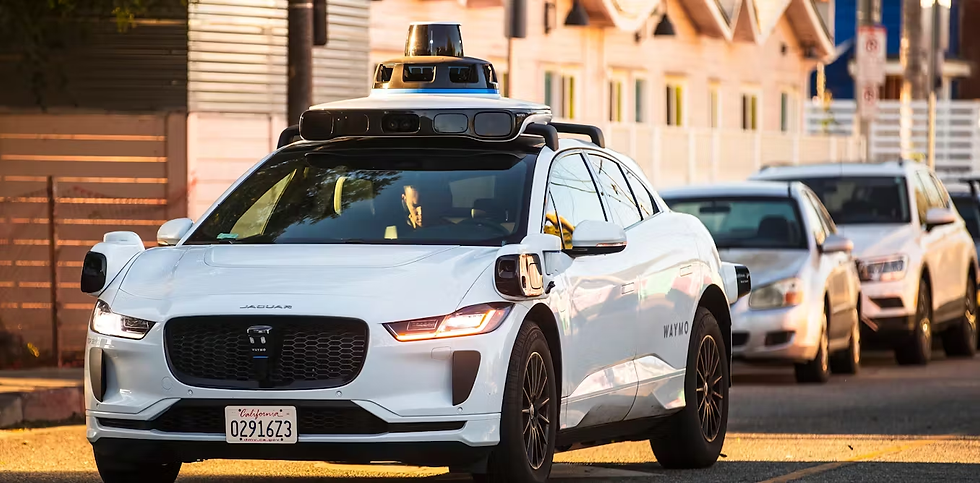
Business Model Clash with Consumer Preferences: Technology developers (Waymo, Zoox) and increasingly car manufacturers (Tesla's robotaxi move) are shifting towards "mobility as a service" (robotaxis) rather than car sales. This conflicts with strong consumer resistance to relinquishing car ownership, particularly in car-dependent societies like the US, creating a significant barrier to widespread adoption.
Key Success Factors of Driverless Car Adoption: Beyond the Tech
Demonstrable and Consistent Safety Record: The primary success factor will be undeniable, long-term, and statistically significant evidence that autonomous vehicles are safer than human-driven cars across all conditions and scenarios.
Clear and Comprehensive Legal Framework: Robust, adaptive, and internationally harmonized legislation covering liability, data ownership, privacy, and cybersecurity is essential to provide clarity for manufacturers, insurers, and the public.
Ethical Consensus and Transparency: The development of universally accepted ethical frameworks for AI's "moral" decision-making in crashes, along with transparent (non-"black-box") AI processes, is crucial for public trust and legal certainty.
Insurance Industry Adaptation: The ability of insurers to develop viable, data-driven models that accurately assess new risks, assign liability, and offer appropriate premiums will be critical for economic feasibility.
Consumer Acceptance and Demand Shift: Overcoming deeply ingrained consumer preferences for car ownership and fostering widespread adoption of "mobility as a service" will require significant shifts in public perception, convenience, and perhaps economic incentives.
Seamless Integration with Mixed Traffic: The ability of driverless cars to perform flawlessly and safely in environments with human-driven vehicles and varied infrastructure is a practical necessity for urban integration.
Key Takeaway: The "Last Mile" to Mass Adoption is Societal, Not Just Technical
The fundamental takeaway is that the most formidable obstacles to the widespread adoption of driverless cars are not solely technological, but deeply rooted in societal, legal, ethical, and commercial complexities. While the tech advances rapidly, human systems, beliefs, and established industries are struggling to keep pace, making mass rollout a long-term vision rather than an immediate reality.
Main Trend: The "Technological Plateau" in Societal Integration
The main trend is the "Technological Plateau" in Societal Integration, where the rapid advancements in autonomous vehicle technology have hit a plateau in terms of their seamless and widespread integration into existing societal, legal, and consumer frameworks.
Description of the Trend: The "Integration Impasse"
This trend, the "Integration Impasse," describes a critical phase in the development of driverless cars where the primary barriers to mass adoption are no longer purely technological capability but rather the profound challenges of integrating these advanced systems into complex human societies. It is characterized by significant lags in regulation, an unprepared insurance industry, unresolved ethical dilemmas regarding AI decision-making, and a fundamental clash between industry-favored "mobility as a service" business models and deeply entrenched consumer preferences for individual car ownership. This impasse signifies that while the vehicles can drive, the surrounding ecosystem—legal, moral, economic, and cultural—is not yet ready to embrace them fully.
What is Consumer Motivation: Safety, Cost, and Control
Safety Assurance: Consumers are primarily motivated by the promise of enhanced safety, seeking vehicles that demonstrably reduce accidents and eliminate human error. Their reluctance stems from the current lack of converging evidence for this.
Cost Efficiency: While not explicitly detailed as a primary motivation, the implied shift to "mobility as a service" suggests consumers would need to perceive a significant cost advantage over car ownership to switch. The cost of insurance for new risk factors will also influence adoption.
Personal Freedom and Control: Many consumers, especially in car-dependent societies, are motivated by the freedom, independence, and control that personal car ownership provides. Relinquishing this for a shared "mobility as a service" model is a significant hurdle.
Privacy Concerns: The article highlights data privacy concerns, indicating consumers are motivated to protect their personal and vehicle data from misuse or breaches.
Convenience (Current vs. Future): While driverless cars promise future convenience (not having to drive), current human-driven cars offer immediate, perceived convenience of on-demand personal transport. Consumers are motivated by current convenience.
What is Motivation Beyond the Trend: Societal Values and Economic Structures
Preservation of Individual Liberty/Autonomy: Beyond just car ownership, there's a broader societal motivation to preserve individual liberty and autonomy, which can conflict with concepts of shared mobility or AI decision-making.
Risk Aversion and Trust in Known Systems: Human psychology often favors known risks over unknown ones. Consumers are motivated by a deeply ingrained caution towards complex new technologies, especially when safety is paramount.
Ethical Responsibility: As a society, there's a strong motivation to establish clear ethical guidelines and accountability for powerful technologies, particularly those capable of making life-or-death decisions.
Economic Stability of Existing Industries: The automotive and insurance industries, and associated jobs, represent significant economic structures. There's an underlying motivation to manage the transition to new models in a way that minimizes economic disruption.
Data Governance and Sovereignty: The increasing volume of telematics and vehicle data raises fundamental motivations around who controls and profits from personal data, reflecting broader societal debates on data privacy.
Description of Consumers Article is Referring: The Cautious Commuter & Reluctant Owner
Consumer Summary: The Pragmatic but Traditional Driver
The article implicitly refers to the average car-owning public, particularly in regions like the UK and US, who are intrigued by technological advancements but remain deeply practical, risk-averse, and culturally attached to private vehicle ownership. They are concerned about safety, privacy, and the financial implications of new technologies. While they value convenience, their long-standing relationship with personal mobility means they are not yet ready to fully embrace a radical shift to driverless services without clear, compelling, and ethically sound assurances.
Who are them: The general public who currently own and operate traditional vehicles. They are the potential users of driverless cars or robotaxi services. The article specifically references consumers in the US due to "higher car dependency," which implies similar sentiments might exist in the UK.
What kind of products they like: Currently, they prefer privately owned, human-driven vehicles that offer a sense of control and independence. They are interested in new technologies but with a strong emphasis on proven safety and clear benefits. They are wary of relinquishing control.
What is their age?: The article does not specify age, but "resistance among consumers to relinquishing car ownership" suggests a broad range, including older generations who have grown up with car ownership as a norm, and potentially younger generations who still view car ownership as a symbol of freedom or necessity, especially outside dense urban centers.
What is their gender?: The article does not specify gender, implying a gender-neutral consumer base for this discussion.
What is their income?: The article does not specify income. Car ownership spans a wide range of incomes. The shift to "mobility as a service" suggests that for mass adoption, the service would need to be either cost-competitive with or significantly cheaper than ownership, appealing to various income levels.
What is their lifestyle: Likely a diverse range of lifestyles, from daily commuters to occasional drivers. Many are likely dependent on cars for work, family, and leisure, especially in areas with less robust public transport. Their lifestyle prioritizes convenience and personal space in transport.
What are their shopping preferences in the category article is referring to: They prefer to own their vehicles. They make purchasing decisions based on safety records, brand reliability, cost, and personal needs. They are cautious adopters of truly disruptive technologies, especially those that challenge established norms or involve significant personal risk.
Are they low, occasional or frequent category shoppers: As car owners, they are occasional shoppers for the "product" (a car itself), typically every few years. For "mobility services," they might be frequent users if the service replaces their daily commute or short trips, but only if it overcomes their preference for ownership.
What are their general shopping preferences-how they shop products, shopping motivations): Their shopping motivations are driven by utility, safety, long-term value, and emotional attachment to ownership. They conduct thorough research, are influenced by expert reviews and safety ratings, and make significant investment decisions. They prioritize personal space and convenience in transport.
Conclusions: The Unfinished Revolution of the Road
The widespread adoption of driverless cars remains a distant reality rather than an imminent revolution on our streets. While technological prowess continues to advance at pace, the integration of autonomous vehicles into daily life is significantly hampered by deeply entrenched, systemic challenges. These include unresolved safety assurances, a legislative and regulatory apparatus that cannot keep up, an insurance industry unprepared for new liability models, profound ethical quandaries around AI decision-making, and a fundamental clash with consumer preferences for vehicle ownership. Until these critical societal, legal, ethical, and commercial hurdles are systematically addressed and resolved, the vision of fully autonomous streets will remain more aspiration than actuality.
Implications for Brands: Rethinking "Mobility" Beyond Ownership
Shift Focus from "Selling Cars" to "Selling Solutions": Car manufacturers and tech companies need to pivot from solely selling vehicles to developing and marketing comprehensive "mobility solutions" that address various consumer needs, potentially through subscription, sharing, or on-demand services.
Prioritize Demonstrable Safety & Transparency: Brands must invest heavily in accumulating robust, verifiable safety data. Marketing efforts should focus on clear, transparent communication about safety protocols, AI decision-making (to the extent possible), and liability frameworks to build public trust.
Engage with Policy Makers & Insurers: Active and collaborative engagement with legislative bodies and the insurance industry is crucial to help shape adaptable regulations and viable insurance models that support mass deployment.
Address Ethical Concerns Proactively: Developers must engage with ethicists, legal experts, and the public to develop transparent, publicly acceptable frameworks for AI's moral decision-making, moving beyond academic thought experiments.
Innovate Business Models for Consumer Acceptance: Brands must explore hybrid models that might bridge the gap between full ownership and "mobility as a service," potentially offering flexible leases, partial ownership, or subscription tiers that appeal to consumer desires for control and access.
Invest in Cybersecurity Robustness: Given the risk of hacking, brands must prioritize state-of-the-art cybersecurity measures for their autonomous vehicles and associated infrastructure, building this into the core design and ongoing maintenance.
Long-Term Vision with Phased Rollout: Brands should maintain a long-term vision for autonomous vehicles while recognizing the need for a phased, geographically targeted rollout that allows for learning, adaptation, and public acceptance.
Implication for Society: A Future of Shifting Norms and Ethical Debates
Reimagining Urban Planning: The potential shift from private car ownership to shared autonomous fleets could fundamentally alter urban planning, reducing parking needs and potentially reallocating road space.
Ethical Frameworks Under Pressure: Society will be forced to grapple with complex ethical questions, such as valuing human lives in algorithmic decisions, necessitating new societal norms and legal precedents.
Job Displacement and Creation: The widespread adoption of driverless technology will inevitably lead to job displacement in traditional driving roles (e.g., taxi drivers, truck drivers) but could create new jobs in maintenance, AI development, and fleet management.
Legal and Regulatory Evolution: Legal systems will undergo significant transformations to adapt to new liability frameworks, data privacy challenges, and the complexities of autonomous systems.
Public Trust in AI: The success or failure of driverless cars will significantly influence public trust in advanced AI systems across other critical sectors, shaping future technological acceptance.
Redefinition of "Mobility": Societal understanding of mobility may shift from individual car ownership to a broader concept of "access to transport" as a service, potentially impacting social status and personal freedom.
Implications for Consumers: Balancing Convenience with Control and Trust
Potential for Enhanced Convenience (Future): In the long term, consumers could benefit from highly convenient, on-demand, safe, and efficient transportation without the burdens of driving, parking, or maintenance.
Loss of Personal Control and Ownership (Potential): Consumers may face the challenge of relinquishing the perceived control and privacy of personal car ownership in favor of shared, AI-driven mobility solutions.
Navigating Ethical Dilemmas: Consumers may have to contend with the societal implications of AI making life-or-death decisions, potentially influencing their trust and acceptance of the technology.
Complex Insurance Landscape: The evolving insurance models mean consumers will need to understand new liability rules and how autonomous vehicle insurance impacts them.
Data Privacy Concerns: Consumers will need to be vigilant about how their telematics and personal data are collected, used, and protected by autonomous vehicle companies.
Cost vs. Benefit Analysis: Consumers will constantly evaluate the economic benefits (e.g., lower transport costs through robotaxis) against the perceived loss of personal freedom and control.
Summary of Trends: The Collision of Tech and Tradition
Core Consumer Trend: Reluctance to Relinquish Control. Consumers exhibit a strong preference for personal control and car ownership, creating a significant barrier to the adoption of fully autonomous, shared mobility models.
Core Consumer Sub Trend: Safety-First Adoption Curve. Consumer adoption of driverless technology is highly contingent on undeniable evidence of superior safety and the transparent resolution of ethical quandaries.
Core Social Trend: Lagging Regulatory Adaptation. Societal governance and legal frameworks struggle to keep pace with rapid technological advancements, creating uncertainty and impeding widespread deployment.
Social Drive: Ethical Accountability for AI. There's a fundamental societal imperative to establish clear ethical guidelines and accountability mechanisms for AI systems, particularly those with life-and-death decision-making capabilities.
Core Trend: The Societal Integration Challenge. The primary hurdle for autonomous vehicles has shifted from technical feasibility to the complex process of integrating these technologies into existing human, legal, and economic systems.
Core Strategy: Ecosystem-Wide Collaboration. Successful deployment requires deep collaboration among tech developers, automakers, insurers, regulators, and ethicists to create a cohesive and trustworthy environment.
Core Industry Trend: Shift to Mobility-as-a-Service (MaaS). The automotive and tech industries are increasingly pivoting towards offering transportation as a service rather than solely selling vehicles, a model facing consumer resistance.
Core Consumer Motivation: Security (Physical & Data) & Autonomy. Consumers are primarily motivated by ensuring their physical safety, protecting their personal data, and maintaining a sense of control over their transportation choices.
Strategic Recommendations for Brands to Follow in 2025: Building Bridges, Not Just Bots
Focus on Hybrid Autonomy Models: Instead of immediately pushing for full Level 5 autonomy and robotaxis, focus on developing and marketing Level 2 and 3 features (advanced driver-assistance systems) that enhance safety and convenience with human oversight, building trust incrementally.
Proactive Regulatory Engagement & Advocacy: Brands should actively engage with governments and regulatory bodies, providing data and expertise to help shape practical, comprehensive, and adaptive legislation for autonomous vehicles, addressing liability, data, and cybersecurity.
Develop New Insurance Partnership Models: Collaborate directly with insurance providers to co-create data-driven risk assessment models and innovative insurance products that cover autonomous vehicle liabilities and new risks like cyber-attacks.
Transparent AI Ethics Communication: Form cross-functional teams (engineers, ethicists, legal experts) to develop clear ethical frameworks for AI decision-making. Publicly communicate these principles and even explore "explainable AI" features to demystify "black box" algorithms.
Consumer Education & Trust-Building Campaigns: Launch sustained public education campaigns that demystify autonomous technology, highlight verified safety benefits, address privacy concerns, and explain the ethical guardrails in place. Offer opportunities for safe, supervised trials.
Pilot "Mobility-as-a-Service" in Niche Environments: Instead of mass rollout, pilot robotaxi services in controlled environments (e.g., corporate campuses, retirement communities, specific urban zones) to gather data, refine operations, and gradually build consumer comfort.
Innovate on the Value of "Time Gained": For autonomous vehicles, market the value proposition of time regained for consumers (e.g., productivity, relaxation, entertainment) rather than just the vehicle itself, appealing to lifestyle benefits.
Final Conclusion: The Marathon, Not the Sprint, for Driverless Cars
The vision of fully autonomous vehicles dominating our streets remains a compelling, yet still distant, aspiration. The current landscape highlights that while the engineering marvels of driverless technology are impressive, their widespread integration is fundamentally a societal and systemic challenge, not merely a technical one. The confluence of safety uncertainties, lagging legal frameworks, an unprepared insurance industry, unresolved ethical quandaries, and deeply ingrained consumer preferences for car ownership forms a formidable, multi-layered barrier. For brands and policymakers alike, the path forward is a marathon, not a sprint: it demands patient, collaborative innovation that bridges the gap between technological possibility and human readiness, prioritizing trust, transparency, and a nuanced understanding of consumer behavior to navigate the complex road ahead.
The following is a detailed summary based on the provided article about why driverless cars are unlikely to take over streets soon, formatted as requested:
Core Trend Detailed: The "Integration Impasse" for Autonomous Mobility
The core trend is the "Integration Impasse" for Autonomous Mobility, which signifies that the widespread adoption of driverless cars is being significantly hampered not by the underlying technology's inability to function, but by a complex web of non-technical, systemic challenges. This impasse means that despite rapid advancements in AI and vehicle automation, the broader ecosystem—comprising legal frameworks, societal norms, ethical considerations, economic structures, and ingrained consumer behaviors—is struggling to adapt and catch up. It's a period where the vehicles might physically navigate, but the human world around them isn't yet fully equipped or willing to embrace them en masse, creating a bottleneck that delays their full-scale deployment on everyday streets. This impasse is crucial because it indicates that merely improving the technology itself is insufficient; comprehensive solutions across multiple domains are required.
Key Characteristics of the Core Trend: Systemic Roadblocks to Revolution
Technology Outpacing Regulation: A defining feature is the stark speed differential between the rapid innovation in self-driving technology and the inherently slow, multi-stage processes of legislative and regulatory development, leading to significant gaps and uncertainties.
Unresolved Ethical Dilemmas: The presence of fundamental moral questions, particularly around AI's decision-making in unavoidable crash scenarios (the "trolley problem"), highlights a deep philosophical and practical hurdle that lacks clear, universally accepted solutions.
Evolving Liability Landscape: The shift in accountability from human drivers to manufacturers for higher levels of autonomy introduces new complexities for the insurance industry, which lacks sufficient data and established models to effectively price and manage these novel risks.
Clash with Consumer Preferences: A critical characteristic is the mismatch between the prevailing business model of "mobility as a service" (robotaxis) favored by developers and a strong consumer attachment to private car ownership, especially in car-dependent societies.
Unproven Real-World Safety (under all conditions): Despite claims, there is not yet converging evidence to definitively prove that AI-driven cars are safer than human drivers across all diverse, real-world conditions (e.g., adverse weather, mixed traffic, anomalies).
Cybersecurity Vulnerability: The inherent connectivity of autonomous vehicles introduces new, significant risks of hacking, unlawful modifications, and privacy breaches, adding a critical security dimension to the integration challenge.
Market and Cultural Signals Supporting the Trend: The Slow Burn of a Hype Cycle
Persistent Public Skepticism post-Trials: Despite a decade of prototypes and robotaxi fleets operating in select areas (US, China), widespread public trust and enthusiasm in regions like the UK remain tempered by ongoing safety incidents and concerns.
Government Consultations and Acts (but slow progress): The UK government launching consultations and introducing acts like the Automated Vehicles Act indicates official recognition and effort, but the detailed, slower "legal codes and mechanisms" reflect the real-world pace of change.
Industry Focus on "Mobility as a Service": Companies like Waymo, Zoox, and even Tesla's move towards robotaxi services signal an industry-wide pivot away from direct vehicle sales for fully autonomous cars, indicating a strategic response to perceived market limitations for ownership.
Academic and Industry Debates on Ethics: Ongoing discussions in academia and the automotive industry about "moral decision-making" algorithms and the "trolley problem" highlight an active, unresolved ethical discourse that permeates public awareness.
Ambiguity in Insurance Models: The acknowledgment by the insurance industry of "scarce data" and "ambiguities in legislation" underscores their struggle to adapt, signaling a lack of market readiness for widespread autonomous vehicle coverage.
Cultural Resistance to Relinquishing Ownership: The specific mention of "resistance among consumers to relinquishing car ownership due to higher car dependency" in certain societies like the US points to a deep-seated cultural preference that technology alone cannot easily overcome.
How the Trend Is Changing Consumer Behavior: From Early Adopter Hype to Cautious Observation
Increased Scrutiny on Safety Data: Consumers are shifting from passively accepting promises of safety to actively demanding converging, transparent evidence of driverless cars' superior safety performance compared to human drivers, influencing their trust and willingness to adopt.
Prioritizing Data Privacy and Security: The evolving discussion around telematics and vehicle data means consumers are becoming more aware of and concerned about data ownership, usage, and cybersecurity, potentially impacting their willingness to use connected or autonomous services.
Skepticism Towards "Mobility as a Service": While some urban dwellers might embrace shared robotaxi services, a significant segment of consumers, particularly those with strong car dependency or a preference for personal control, are demonstrating resistance to relinquishing individual vehicle ownership.
Heightened Ethical Awareness in Technology Adoption: The ethical dilemmas surrounding AI's decision-making are raising consumer awareness about the moral implications of technology, potentially influencing their acceptance of autonomous systems across various domains, not just transport.
Gradual Acceptance of Lower-Level Automation: Instead of immediate embrace of full autonomy, consumers are likely to show more willingness to adopt lower levels of automation (e.g., advanced driver-assistance systems) that enhance safety or convenience without requiring them to fully cede control.
Delayed Purchase Decisions for Future Vehicles: The uncertainties surrounding the future of car ownership and the pace of autonomous vehicle rollout might lead some consumers to delay major vehicle purchases, waiting for clearer market signals or more established technologies.
Implications Across the Ecosystem
For Brands and CPGs:
Strategic R&D Re-prioritization: Brands must shift R&D focus beyond pure technical capability to include robust testing in diverse, complex real-world conditions, and dedicate resources to "explainable AI" and ethical programming.
Active Lobbying and Collaboration with Legislators: Automakers and tech firms need to be proactive in engaging with governments globally to help shape harmonized and pragmatic regulatory frameworks, rather than waiting for slow, reactive legislation.
Innovative Partnership with Insurers: Develop deep collaborations with the insurance industry, sharing data (where permissible and secure) and co-creating new risk assessment models and liability frameworks to enable commercially viable insurance products.
For Retailers:
Long-Term Planning for Urban Space: Retailers with physical footprints, especially in urban areas, should begin long-term planning for potential shifts in parking needs, traffic flows, and last-mile delivery as autonomous fleets eventually emerge.
Adaptation of Delivery Models: While driverless cars are not imminent, retailers relying on delivery could eventually integrate autonomous vehicles into their logistics, but only once safety, legal, and operational certainties are established.
Customer Experience in Autonomous Context: Retailers might explore how autonomous shared vehicles could enhance the customer journey to their stores, perhaps through exclusive partnerships or optimized pick-up/drop-off zones for robotaxi users.
For Consumers:
Evolving Relationship with Transport: Consumers will increasingly face a choice between traditional car ownership and emerging "mobility as a service" models, requiring them to weigh the benefits of convenience against the desire for control and privacy.
Increased Need for Digital Literacy: Understanding data privacy, cybersecurity risks, and the functioning of AI algorithms in autonomous vehicles will become increasingly important for informed consumer choices.
Beneficiaries of Future Safety & Efficiency: If challenges are overcome, consumers stand to gain from potentially safer roads, reduced traffic congestion, and increased accessibility to transportation, particularly for non-drivers.
Strategic Forecast: A Phased and Culturally Sensitive Deployment
The strategic forecast for driverless cars suggests a gradual, phased rollout over the coming decade, with initial widespread adoption likely confined to controlled environments and specific geographic zones before truly permeating all public streets. This deployment will be heavily influenced by advancements in demonstrable safety, the establishment of clear, adaptive regulatory and ethical frameworks, and the automotive industry's ability to successfully bridge the gap between their "mobility as a service" vision and deeply ingrained consumer preferences for car ownership. We will likely see continued investment in Level 2 and Level 3 automation in consumer cars, while fully autonomous Level 4/5 robotaxis remain largely confined to specific, well-mapped urban areas with a high degree of operational control. The success of driverless cars hinges not just on their technical perfection but on winning the trust and acceptance of a cautious, car-owning public.
Areas of Innovation: Beyond the Driver's Seat
Ethical AI Decision-Making Frameworks: Develop industry-wide, transparent, and auditable standards for how AI algorithms make "moral" decisions in unavoidable crash scenarios, moving beyond theoretical "trolley problems" to practical, publicly acceptable solutions.
Adaptive Regulatory Sandboxes: Create "regulatory sandboxes" that allow for faster, controlled testing and iteration of new driverless technologies and business models, facilitating quicker legal and regulatory adaptation without compromising safety.
Cybersecurity for Vehicle Ecosystems: Innovate comprehensive, multi-layered cybersecurity solutions specifically designed for the complex, interconnected ecosystem of autonomous vehicles, including vehicle-to-infrastructure (V2I) and vehicle-to-vehicle (V2V) communications, to prevent hacking and data breaches.
Insurance Risk Modeling for AI Liability: Develop sophisticated data models and actuarial science for the insurance industry that can accurately assess new risk factors, quantify liability for AI-driven incidents, and create viable, fair premium structures.
Human-AI Interaction & Trust-Building Interfaces: Design intuitive in-car interfaces and communication protocols that transparently convey the vehicle's intentions, limitations, and decision-making processes to human occupants and surrounding road users, fostering trust and understanding.
Final Thought: The Future of Driving is a Collective Journey
The journey towards ubiquitous driverless cars is far more intricate than simply perfecting the technology. It is a collective societal endeavor that demands unprecedented collaboration among engineers, policymakers, ethicists, insurers, and the public. The current "integration impasse" serves as a critical reminder that innovation, however groundbreaking, cannot outrun the complexities of human values, legal systems, and cultural norms. The true takeover of our streets by autonomous vehicles won't happen until we, as a society, have collectively navigated and resolved the profound ethical questions, built robust regulatory bridges, and earned the unwavering trust of every potential passenger and road user. It's a marathon of trust-building, not a sprint of technological prowess.


Comments