Beverages: The Coffee Renaissance: From Buzz to Wellness Ritual
- InsightTrendsWorld

- Aug 19
- 5 min read
Why It’s Trending: Coffee Beyond the Buzz
Wellness meets ritual: Coffee is no longer just a stimulant; consumers expect functional benefits like antioxidants, adaptogens, and mood enhancers, transforming the morning ritual into a wellness practice.
Premiumization wave: Specialty coffee and elevated experiences—once niche—are now mainstream, with consumers associating quality beans, craft brewing, and ethical sourcing with identity and lifestyle.
Customization culture: From flavored oat lattes to micro-dosed syrups, personalization is key. Coffee drinkers want their cup to reflect their mood, health goals, or aesthetic.
Experience economy shift: Consumers, especially younger demographics, crave more than caffeine. They want immersive coffee experiences—ritual-driven, social media-worthy, and tied to their lifestyle.
Smart indulgence over price sensitivity: Coffee buyers evaluate value not just by cost, but by what the product adds to their life—flavor depth, ethical sourcing, sustainability, and functionality.
Cross-category inspiration: Coffee is absorbing lessons from wellness, beauty, and functional beverage industries, positioning itself as a hybrid between indulgence and self-care.
Overview: Coffee’s Cultural Glow-Up
Coffee has transformed from a commodity into a lifestyle statement. Where a generation ago it was defined by “cheap fuel” and “daily grind,” it’s now seen as a self-expression ritual that merges indulgence with functionality. Consumers expect coffee to work harder—supporting energy, focus, and wellbeing—while reflecting their values around sustainability and craftsmanship. Premium is no longer a luxury tier; it is the default expectation, and brands that can’t deliver added benefits risk irrelevance.
Detailed Findings: What the Market Shows
Functional layering: The fastest-growing coffee SKUs combine caffeine with added wellness boosters such as mushrooms, probiotics, or antioxidants.
Generational differences: Gen Z and Millennials lead the charge in demanding personalization, while Boomers lean on familiar premium cues like single-origin beans and fair-trade certifications.
At-home ritualization: The rise of espresso machines, cold-brew gear, and smart coffee gadgets points to consumers wanting café-quality experiences in their kitchens.
Flavored evolution: Flavor innovation is no longer limited to vanilla or hazelnut. Seasonal, global-inspired, and “Instagrammable” flavors drive trial and repeat purchases.
Sustainability baseline: Ethical sourcing, fair pay for farmers, recyclable pods, and carbon-neutral commitments are no longer differentiators—they’re expectations.
Key Success Factors of Coffee 3.0
Functional innovation: Adding adaptogens, mood enhancers, and energy-sustaining ingredients creates differentiation.
Emotional branding: Successful brands build communities and stories around coffee, not just products.
Premium access for all: Balancing affordability with high quality—making craft-level experiences available at scale—is key.
Immersive retail & digital content: Stores, cafés, and social campaigns that invite participation (latte art workshops, “bean-to-cup” storytelling) reinforce brand stickiness.
Personalization as the norm: From subscription boxes to build-your-own flavor kits, consumers demand control.
Key Takeaway: Coffee as Culture
Coffee has shifted from being defined by caffeine to being shaped by culture, wellness, and experience. It’s now an intersection of health, indulgence, and identity—turning a once-basic habit into a ritual of self-expression and wellbeing.
Main Trend: Functional Coffee & Lifestyle Fusion
The coffee trend is no longer about “wake me up.” It’s about “help me live better.” This core evolution positions coffee as a multi-benefit, cultural beverage category that crosses wellness, indulgence, and identity.
Description of the Trend: Coffee as a Holistic Ritual
“Coffee as ritual” blends functionality with culture. It caters to both performance (energy, focus, mood) and emotional resonance (identity, wellness, and social connection). It’s a new category definition: coffee as a tool for living, not just working.
Key Characteristics of the Core Trend: Lifestyle-Driven Coffee
Functional-plus: Consumers expect added benefits like stress relief, immune support, or focus enhancement.
Premium everyday: Quality beans, artisanal roasting, and ethical credentials are no longer luxury—they’re standard.
Ritual-centric: Brewing is an experience, not a task—people invest in tools, spaces, and aesthetics around coffee.
Cultural identity marker: Coffee signals values—eco-consciousness, taste sophistication, or digital-native cool.
Customization-first: “My coffee, my way” rules, from macro-trends like cold brew to micro-preferences like single-origin syrups.
Market and Cultural Signals Supporting the Trend
Social media virality: TikTok coffee trends (Dalgona, cold foam, matcha-coffee hybrids) continue to fuel demand for novelty.
Retail innovation: Grocery aisles now highlight premium, functional, and sustainable coffee brands at all price tiers.
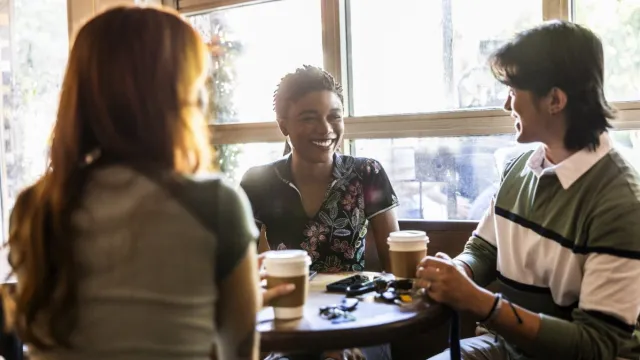
Café evolution: Cafés double as community hubs, wellness spaces, and digital content backdrops.
Generational pressure: Younger consumers tie coffee to wellness, values, and experiences, pushing older brands to evolve.
Category convergence: Coffee now competes with energy drinks, functional beverages, and even supplements.
What Is Consumer Motivation: Daily Ritual + Added Value
Health & performance: Wanting more than caffeine—seeking mood, immunity, or focus benefits.
Emotional indulgence: Coffee as a comforting daily treat.
Identity & values: Purchasing reflects lifestyle (eco, ethical, artisanal).
Convenience with quality: Easy access without sacrificing craft.
Experience craving: Social, visual, and ritual aspects elevate appeal.
What Is Motivation Beyond the Trend: Bigger Picture Drivers
Wellness culture dominance: Consumers want every product in their life to “work harder” for health and wellbeing.
Experience economy shift: Buying experiences, not just products, defines next-gen choices.
Conscious consumption: Ethical and sustainable practices influence brand loyalty.
Digital influence: Viral moments drive trial, shaping long-term adoption.
Escape from sameness: Desire for differentiation in a world of copycat brands.
Descriptions of Consumers: Coffee Shapers
Consumer Summary: Today’s coffee consumer is educated, value-driven, and lifestyle-oriented. They seek both indulgence and functionality, blending health with pleasure. Coffee is no longer just about energy—it’s about identity, ritual, and self-care.
Who they are: Primarily Millennials and Gen Z, but with cross-generational adoption.
Age: 20s–40s dominate premium and functional categories.
Gender: Split evenly; coffee culture is inclusive but often female-led in wellness niches.
Income: Mid to high; willing to pay a premium for value.
Lifestyle: Urban, digital-native, health-conscious, experience-seeking.
How the Trend Is Changing Consumer Behavior: From Habit to Ritual
Shift from energy to wellness: Caffeine is no longer enough—consumers want holistic benefits.
New spending patterns: Willingness to pay premium for daily rituals.
Rise of home baristas: Investing in equipment to replicate café culture at home.
Cross-category swapping: Replacing energy drinks with functional coffee options.
Emotional loyalty: Consumers stick with brands that reflect their identity and values.
Implications Across the Ecosystem: Brewing a New Era
For Consumers: Access to more personalized, functional, and premium experiences in everyday coffee.
For Brands & CPGs: Innovation must focus on added functionality, emotional resonance, and sustainable practices.
For Retailers: Coffee is a cultural anchor in grocery and cafés—merchandising, experience, and exclusivity matter more than price competition.
Strategic Forecast: Where Coffee Goes Next
Functional fusion: More mushroom, adaptogen, and vitamin-infused launches.
Hybrid experiences: Coffee meets beauty, fitness, and wellness categories.
Immersive retail: Experiential cafés as lifestyle hubs.
AI personalization: Smart machines tailoring coffee to consumer health profiles.
Sustainable innovation: Recyclable pods, carbon-neutral brands, and regenerative agriculture at scale.
Areas of Innovation: Brewing Bold Futures
Functional Add-ons: Coffee fortified with adaptogens, nootropics, and probiotics.
Next-Gen Rituals: At-home smart brewing tools + subscription services.
Flavor Frontiers: Global-inspired and seasonal innovations.
Eco-Coffee: Circular economy models, compostable packaging, and carbon labels.
Cross-Category Collabs: Coffee x fitness, coffee x beauty, coffee x fashion.
Summary of Trends
Core Consumer Trend: Functional Coffee — health-driven, personalized, and premium.
Core Social Trend: Ritualization — coffee as an everyday wellness and identity practice.
Core Strategy: Premium + Purpose — balancing affordability with values and added benefits.
Core Industry Trend: Convergence — coffee positioned as both indulgence and functional wellness beverage.
Core Consumer Motivation: “More Than Caffeine” — seeking products that multitask for health, mood, and lifestyle.
Final Thought: The Coffee Renaissance
Coffee has evolved into a cultural and functional powerhouse, bridging the gap between indulgence and wellness. Its success lies in meeting modern consumers where they are: demanding authenticity, expecting value beyond price, and craving experiences that turn a daily habit into a statement of identity. The brands that thrive will be those that brew not just coffee—but culture, community, and care.


Comments