


“Co-Creation Marketing” Turns Consumers Into Creators To Build Deeper Brand Engagement
- InsightTrendsWorld

- Mar 24
- 8 min read
From Passive Audiences To Active Creative Participation In Brand Campaigns
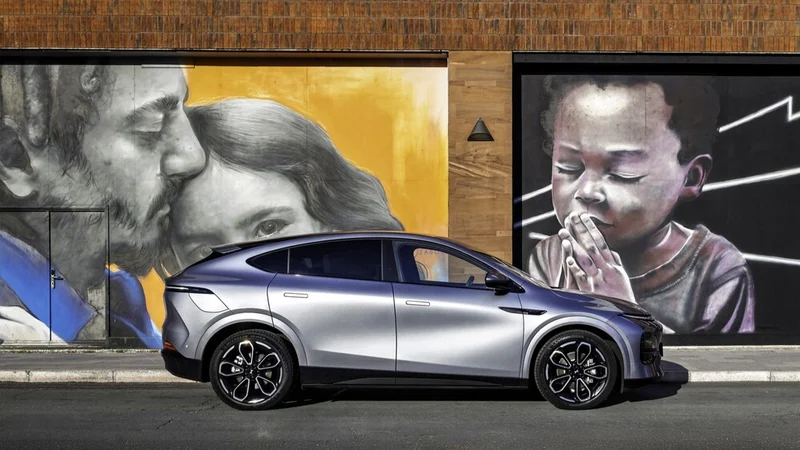
The XPENG Visionary Art Challenge reflects a shift where brands are no longer just telling stories—they are inviting consumers to help create them. By asking participants to interpret the design of the XPENG G6 through art, XPENG transforms marketing into a collaborative, creative process. This approach turns audiences into contributors, generating content, cultural relevance, and emotional connection simultaneously. As a result, campaigns evolve from one-way communication into participatory ecosystems that amplify reach and engagement.
Why The Trend Is Emerging: Audiences Want To Participate, Not Just Observe
The rise of campaigns like XPENG’s Visionary Art Challenge reflects a broader shift where consumers expect to be involved in brand narratives rather than passively consuming them. By inviting creatives to interpret the design of the XPENG G6, XPENG taps into a desire for expression, recognition, and collaboration. This approach transforms marketing into an interactive experience, where engagement is driven by participation rather than exposure. It also allows brands to generate diverse, authentic content while building stronger emotional connections with their audience.
• Consumers increasingly seek opportunities to express creativity and be part of brand experiences.
• Social media has normalized user-generated content as a key form of engagement.
• Creative communities are looking for platforms that provide visibility and recognition.
• Brands benefit from scalable content creation through audience participation.
• Co-creation builds stronger emotional attachment than traditional advertising.
Virality of Trend (Social Media Coverage):Participatory campaigns generate shareable content as participants showcase their work and audiences engage with submissions. Platforms like Instagram, TikTok, and LinkedIn amplify visibility through community interaction and voting. The diversity of creative outputs increases content volume and reach. This creates a network effect where participation drives awareness, and awareness drives more participation.
Where it is seen (in what industries):
Automotive: Brands position vehicles as design and lifestyle objects.
Fashion & Beauty: User-generated content and design collaborations.
Technology: Creative challenges tied to product features.
Media & Publishing: Branded content partnerships with creators.
Arts & Culture: Increased collaboration between brands and artists.
This trend is accelerating because it aligns with how people engage online. It matters culturally because it democratizes creativity and brand storytelling. It creates commercial value through scalable content and deeper engagement. And it allows brands to tap into communities rather than just audiences. It also signals that future marketing will increasingly be participatory rather than broadcast-driven.
Description Of The Consumers: Creative Participants Who Seek Recognition And Co-Creation Opportunities
The audience driving this trend is not just consuming brand content—they want to contribute to it. These consumers are creatively inclined, digitally active, and motivated by opportunities to showcase their work and gain visibility. They see brand collaborations as platforms for expression, recognition, and potential career advancement, making them highly engaged when invited to participate.
• Creative Co-Creators are consumers who actively engage with brands by producing content, artwork, or ideas as part of participatory campaigns.
• They typically range from 18–40, including emerging artists, designers, and digital creators.
• They are highly active on platforms like Instagram, TikTok, and Behance, where sharing creative work is central to their identity.
• They value opportunities for exposure, recognition, and potential professional growth.
• Their emotional driver is validation—being seen, appreciated, and rewarded for their creativity.
• They are drawn to brands that provide meaningful creative briefs and align with their aesthetic or values.
• Their decision-making is influenced by the visibility of the opportunity, rewards, and association with reputable brands or platforms.
This audience transforms marketing into a collaborative process. Their participation generates authentic, diverse content at scale. It also strengthens brand credibility within creative communities. And it reinforces a shift where audiences expect to play an active role in brand storytelling.
Main Audience Motivation: Wanting Visibility, Recognition, And Creative Expression Through Brand Platforms
At the core of this trend is a desire for recognition and creative validation. Participants are not just engaging with the XPENG Visionary Art Challenge for rewards—they are motivated by the opportunity to showcase their work, gain exposure, and be associated with a forward-thinking brand like XPENG. This transforms marketing into a platform for personal and professional growth, where participation delivers both emotional and tangible value.
• The primary motivation is visibility—creators want their work seen by wider audiences and industry platforms.
• A secondary motivation is recognition, where association with a brand or publication enhances credibility.
• There is a tension between creative freedom and brand alignment, where participants balance personal expression with the campaign brief.
• This leads to high engagement levels, as creators invest time and effort to produce meaningful work.
• Participation also signals belonging to a creative community and alignment with cultural and design trends.
In simple terms, creators are engaging for both exposure and expression. This shift increases the importance of offering meaningful creative opportunities. It also means brands must provide value beyond financial incentives. And it reinforces that recognition and visibility are key drivers of engagement in participatory campaigns.
Trends 2026: The Rise Of Participatory Brand Ecosystems And Creative-Led Marketing
Marketing is evolving from message delivery to experience creation, where audiences actively contribute to brand narratives. Initiatives like XPENG’s Visionary Art Challenge show how brands can transform product storytelling into a collaborative process, generating cultural relevance and scalable content. This reflects a broader shift where creativity, participation, and community engagement become central to marketing strategy.
• What is influencing the shift:The growth of creator culture and user-generated content has changed expectations—audiences now want to participate, not just consume. Brands are adapting by creating platforms for contribution and collaboration.
• Macro trends influencing the shift:The expansion of the creator economy, social media amplification, and the blending of art, design, and commerce are driving this movement. Communities now play a central role in shaping brand narratives.
• Is it bringing novelty or innovation to consumers?Yes—by turning campaigns into interactive experiences, brands offer new ways for audiences to engage and express themselves.
• Can it create meaningful competitive differentiation?Yes—brands that successfully build participatory ecosystems can generate deeper engagement and stronger loyalty.
• How can brands operationalize this shift in daily business?By designing campaigns that invite contribution, building creator partnerships, and integrating user-generated content into brand strategy.
Trend Table: From Broadcast Marketing To Co-Creation Ecosystems
Trend Name | Description (Insight-Led Explanation) | Strategic Implications |
Main Trend — “Co-Creation Marketing” | Audiences actively contribute to brand storytelling. | Increases engagement and content scale |
Social Trend — “Creator Participation Culture” | Individuals seek opportunities to create and share. | Drives community growth |
Industry Trend — “Brand-As-Platform” | Brands act as hubs for creative expression. | Expands brand role |
Main Strategy — “Participatory Campaign Design” | Campaigns are built around audience involvement. | Enhances interaction |
Main Consumer Motivation — “Recognition & Visibility” | Creators seek exposure and validation. | Boosts participation |
Related Trend 1 — “User-Generated Content Scaling” | Content is produced by audiences at scale. | Reduces production costs |
Related Trend 2 — “Art-Brand Collaborations” | Creative communities shape brand narratives. | Builds cultural relevance |
Related Trend 3 — “Experience-Led Marketing” | Campaigns become interactive experiences. | Deepens engagement |
These trends matter because they redefine the role of marketing. Together, they shift focus from control to collaboration. The opportunity lies in building platforms that invite participation. And the brands that do this effectively will create stronger connections and more scalable content ecosystems. It also signals that future marketing success will depend on how well brands engage communities rather than just audiences.
Final Insights: The Most Powerful Brands Don’t Just Create Content—They Create Platforms For Others To Create
We are seeing a shift where the most effective marketing is no longer about what brands say, but what they enable others to express. Campaigns like XPENG’s Visionary Art Challenge show that when brands invite participation, they unlock creativity, scale content production, and build deeper emotional connections. This reframes marketing as a collaborative ecosystem rather than a controlled message.
Insights The future of marketing lies in enabling co-creation, where audiences become active contributors and content scales organically through participation.Industry Insight Brands are evolving into platforms that host creativity, shifting from content producers to facilitators of engagement.Consumer Insight Audiences, especially creators, are motivated by visibility, recognition, and opportunities to express themselves through brands.Social Insight Participatory campaigns generate more diverse, shareable content, increasing reach and cultural relevance.Cultural/Brand Insight Brands that empower creativity and collaboration can build stronger communities and long-term loyalty.
This shift highlights that control in marketing is becoming distributed. It reinforces the importance of community and participation. It also creates opportunities for scalable and authentic content creation. And ultimately, it shows that the brands that invite people in will outperform those that simply broadcast messages.
Innovation Platforms: Building Scalable Co-Creation Ecosystems Around Brands
As marketing becomes more participatory, brands need structured systems to manage, scale, and sustain creative collaboration. This means moving beyond one-off campaigns toward ongoing platforms that continuously invite and reward contribution. The focus shifts from producing content internally to enabling external creativity at scale. The following platforms show how brands can operationalize co-creation into long-term value.
• Open Creative Brief PlatformsBrands publish recurring briefs that invite creators to interpret themes, products, or values. This creates a continuous pipeline of user-generated content while keeping communities engaged over time.
• Creator Recognition & Distribution SystemsWinning or selected works are amplified through brand channels, media partnerships, and publications. This increases incentive for participation and builds credibility for creators.
• Community-Led Content EcosystemsBrands foster communities where creators interact, collaborate, and share work. This strengthens loyalty and transforms audiences into active brand advocates.
• Hybrid Art-Commerce ModelsCreative outputs are integrated into product design, campaigns, or merchandise, turning co-created content into commercial assets. This bridges creativity and revenue generation.
• Partnerships With Cultural InstitutionsCollaborations with galleries, media outlets, and cultural platforms elevate campaigns, increasing reach and legitimacy while attracting higher-quality participation.
These innovation platforms allow brands to scale creativity beyond internal teams. They increase engagement by empowering audiences to contribute. They also generate diverse, authentic content at lower cost. And ultimately, they position brands as cultural platforms rather than just commercial entities.
Cross-Industry Expansion: From Automotive Campaigns To The Rise Of “Participation Economies”
The “Participation Economy”: Where Value Is Created Through Contribution, Not Just Consumption
The shift toward co-creation marketing reflects a broader transformation where consumers are no longer passive recipients—they are active contributors to value creation. This extends beyond marketing into industries where participation, collaboration, and user input drive engagement and innovation. Instead of delivering finished products or messages, brands and organizations are building systems that invite ongoing contribution.
• What is the trend: Consumers actively participate in creating content, products, or experiences, contributing to brand and business value.This shifts value creation from centralized production to distributed collaboration.
• How it appeared: It began with user-generated content and creator platforms, then expanded as brands recognized the power of community-driven engagement.As digital tools lowered barriers to creation, participation became more accessible.
• Why it is trending: People want to be involved, recognized, and part of something larger than themselves.At the same time, businesses benefit from scalable creativity and engagement.
• What is the motivation: Consumers seek visibility, validation, and opportunities to express creativity.This makes participation both emotionally and socially rewarding.
• Industries impacted:
Marketing & Advertising: Campaigns become participatory and community-driven.
Technology: Platforms enable user-generated innovation and content.
Fashion: Co-creation and community design influence collections.
Gaming: Players contribute to content and experiences.
Education: Learning becomes interactive and collaborative.
These industries benefit from harnessing collective creativity.
• How to benefit from the trend:
Create platforms that invite contribution
Reward and recognize participation
Integrate user-generated content into core offerings
Build communities around shared creativity
This increases engagement and innovation.
• What strategy should be to benefit:
Shift from control to facilitation
Invest in community-building and platform infrastructure
Align incentives with participation
Continuously evolve based on user input
This ensures long-term relevance and scalability.
• Who are the consumers targeted:
Creators, contributors, and digitally engaged individuals
Typically 18–45, active across digital platforms
Value recognition, collaboration, and expression
Motivated by visibility and community belonging
These consumers redefine engagement through participation.
The Participation Economy builds directly on the main trend of co-creation marketing by applying its logic across industries. It shows that value is increasingly created through collaboration rather than control. This makes the model highly scalable and adaptable. It also creates new commercial opportunities by leveraging collective creativity. And looking ahead, brands that empower participation will be best positioned to thrive in a community-driven future.


Comments