


Comfort Rebellion: Fashion Is Choosing Freedom Over Convention

Fashion is entering an era where looking polished no longer has to mean accepting discomfort. From Raye performing barefoot at Reading Festival to celebrities experimenting with barely-there footwear, going without conventional shoes is becoming part of a wider rejection of restrictive style rules. Comfort is moving beyond practicality and becoming an expression of confidence, individuality and personal freedom.
Why Everyone Is Talking About It: Barefoot Is Becoming a Statement
Raye made the idea highly visible when she performed barefoot while headlining Reading Festival, pairing the unexpected choice with a glamorous black, subtly sparkling gown. Rather than diminishing the look, the absence of footwear created a striking contrast: traditional stage glamour above, complete physical freedom below. The choice also fits an established part of Raye's performance identity, with the singer previously appearing barefoot at events including the BRIT Awards and Saturday Night Live.More importantly, she is not alone. Margaret Qualley recently appeared in Chanel's controversial "barefoot sandals," essentially heel caps and ankle straps that left most of the foot exposed, while Hilary Duff has removed her boots during performances and Shakira has continued her longstanding habit of performing barefoot. Together, these moments are turning something normally associated with informality into a visible challenge to conventional celebrity dressing.➡️ Viral Insight: Barefoot dressing creates conversation because it immediately breaks an expected visual rule. The contrast between glamorous clothing and no shoes makes the look surprising, recognizable and easy to discuss. As more high-profile figures adopt it, an individual preference begins to look like a cultural signal.
Why Consumers Are Changing: Comfort No Longer Cancels Style
For decades, fashion frequently treated discomfort as an accepted cost of looking sophisticated: restrictive silhouettes, difficult fabrics and painful shoes could all communicate effort, occasion and status. Comfort rebellion challenges that equation. Consumers increasingly have permission to decide that a fashion choice should accommodate their bodies rather than requiring their bodies to accommodate fashion.
The important shift is that comfort is no longer necessarily communicated through casualness. Raye can wear a sculptural, retro-inspired gown while simultaneously rejecting footwear; the glamour remains while one of its traditional conventions disappears. That combination points toward a more flexible definition of elegance in which personal ease and expressive styling can coexist.
➡️ Consumer Insight: Consumers increasingly want style without unnecessary sacrifice. Comfort is becoming compatible with confidence, sophistication and self-expression. The emerging expectation is not simply comfortable fashion, but fashion that adapts to the individual.
Who Is Driving This Trend: The Comfort-Confident Individualist
The consumers behind comfort rebellion still care about aesthetics, fashion and presentation. What is changing is their willingness to follow conventions simply because those conventions have historically defined what looks polished. They are increasingly comfortable editing traditional dress codes according to their own bodies, preferences and identities.
For these consumers, choosing comfort does not necessarily mean dressing down. It means exercising greater control over how glamour, professionalism, occasion dressing and personal style are interpreted. The strongest expression of confidence may increasingly be the willingness to remove something that does not serve the wearer.
Core Motivations: Feeling Good Without Looking Less
Comfort – Feeling good in what you wearConsumers want clothes and accessories that allow physical ease without sacrificing personal style.
Freedom – Dressing on your own termsConsumers want greater control over which fashion conventions they follow and which they leave behind.
Individuality – Making the look personalConsumers want styling choices that communicate personality rather than simply reproduce established dress codes.
Confidence – Needing less approvalConsumers increasingly value the confidence to wear what feels right even when it challenges expectations.
Authenticity – Dressing like yourselfConsumers want fashion to reflect how they genuinely want to live, move and present themselves.
Ease – Removing unnecessary frictionConsumers increasingly appreciate products and experiences that make everyday life physically and emotionally easier.
➡️ Audience Insight: Comfort-confident consumers are not rejecting fashion; they are redefining the terms on which they participate in it. Personal freedom is becoming part of how style and confidence are communicated. Brands that enable this autonomy can make comfort feel aspirational rather than merely functional.
Why This Trend Matters Right Now: Fashion Rules Are Becoming Optional
Barefoot dressing matters because it represents a much wider relaxation of established fashion codes. What belongs on the stage, red carpet, street or workplace is becoming less rigid as consumers increasingly combine categories, reinterpret occasion dressing and prioritize individual preference. Raye's barefoot performance is particularly powerful because the rest of her appearance remains deliberately glamorous, demonstrating that rejecting one convention does not require rejecting the entire aesthetic.
This makes comfort rebellion part of a broader movement toward Personal Freedom. Across consumer culture, people increasingly expect products, environments and experiences to accommodate individual needs. Fashion becomes another place where autonomy is visible: the consumer decides what stays, what disappears and what comfort should look like.
➡️ Why It Matters: Comfort is evolving from a functional benefit into a cultural value. Consumers increasingly associate freedom of choice with confidence and authenticity. Fashion brands therefore have an opportunity to make personal autonomy part of the product proposition.
Viral Potential: Rule-Breaking Creates the Visual Hook
Comfort rebellion is naturally social because the most powerful examples can be understood instantly. A celebrity wearing an extravagant gown without shoes, an almost invisible sandal on a red carpet or a performer removing restrictive footwear creates a visual contradiction that audiences can recognize before knowing the story behind it.
Celebrity participation gives the behavior additional momentum. Raye, Margaret Qualley, Hilary Duff and Shakira represent different versions of the same idea, allowing individual appearances to accumulate into a recognizable pattern rather than remaining isolated styling decisions.➡️ Viral Potential: The trend has a simple visual formula: glamour + unexpected freedom. Its rule-breaking quality encourages reactions ranging from admiration to debate, increasing conversation potential. Celebrity adoption can accelerate the transition from unusual behavior to recognizable fashion language.
Marketing Strategy: Turn Comfort Into Aspirational Freedom
The opportunity is not simply to make products softer or easier to wear. Brands can reposition comfort as empowerment, confidence and individual choice, creating products and experiences that allow consumers to decide how much structure, restriction and convention they want.
Strategy Area | Opportunity |
Product: Design for Freedom | Develop adaptable, lightweight and body-responsive products that deliver strong aesthetics while minimizing physical restriction. |
Pricing: Premiumize Comfort | Position exceptional comfort as a valuable design benefit worthy of premium pricing rather than treating it as a basic functional feature. |
Promotion: Celebrate Rule-Breakers | Build campaigns around personalities who confidently reinterpret conventional ideas of glamour, occasion and appropriate dressing. |
Distribution: Let Consumers Experience Comfort | Use stores, pop-ups and experiential environments where shoppers can physically feel flexibility, softness, weight and freedom of movement. |
Innovation: Remove the Restriction | Identify traditional sources of discomfort within product categories and redesign them without removing the emotional or aesthetic value consumers love. |
➡️ Strategic Insight: The commercial opportunity lies in turning comfort from an invisible functional benefit into a visible expression of personal freedom. Products should help consumers feel less constrained while preserving aspiration and style. The brands that remove friction without removing desire can redefine what premium experiences feel like.
Trend Snapshot: Comfort Is Becoming a Form of Freedom
Raye's barefoot performance provides a highly visible expression of a broader consumer change: people increasingly want the freedom to decide which conventions still deserve a place in their lives. What begins with footwear therefore points toward a much larger opportunity around autonomy, adaptability and comfort-led design.
Trend Area | Insight |
Broad Trend – Personal Freedom | Consumers increasingly want greater control over how they live, dress and participate in established social conventions. |
Industry Trend – Comfort Rebellion | Fashion is increasingly allowing comfort and individual preference to challenge traditional expectations around polished dressing. |
Lifestyle Trend – Comfort-First Living | People increasingly expect products and experiences to fit naturally around their bodies, routines and personal preferences. |
Strategy – Design for Freedom | Businesses can create greater value by removing unnecessary restrictions while preserving aspiration, performance and emotional appeal. |
Consumer Motivation – Personal Autonomy | Consumers want the freedom to decide what feels appropriate, comfortable and authentic for themselves. |
Business Opportunity – Elevated Comfort | Companies can transform comfort into a premium proposition combining ease, aesthetics, personalization and confidence. |
Innovation Outlook – Constraint-Free Design | Products could increasingly become adaptive, lightweight and flexible, allowing consumers to personalize how much structure or support they want. |
➡️ Trend Snapshot Insight: Personal freedom is becoming an increasingly important measure of good design. Comfort rebellion demonstrates how removing restrictions can create emotional as well as functional value. The next generation of products may compete not only on what they enable consumers to do, but on what they no longer force consumers to tolerate.
Final Thoughts: Freedom Is Becoming the New Luxury
Barefoot celebrity moments may appear playful or provocative, but their broader significance lies in what they reveal about changing definitions of aspiration. Consumers do not necessarily want less glamour, beauty or fashion; they increasingly want those things without surrendering comfort and control. Luxury therefore has an opportunity to evolve from demonstrating how much inconvenience someone will tolerate toward demonstrating how effortlessly a product accommodates them.
That principle reaches far beyond footwear. Fashion, beauty, hospitality, travel, workplaces and consumer technology can all respond to the same expectation: give people greater freedom without diminishing the experience. As personal autonomy becomes more deeply embedded in consumer expectations, products that remove unnecessary friction may increasingly feel more desirable, sophisticated and modern.
➡️ Final Insight: Comfort rebellion is ultimately about control, not casualness. Consumers are rewriting established conventions around their own needs while retaining the experiences, aesthetics and aspirations they value. The future opportunity is to make freedom itself feel premium.


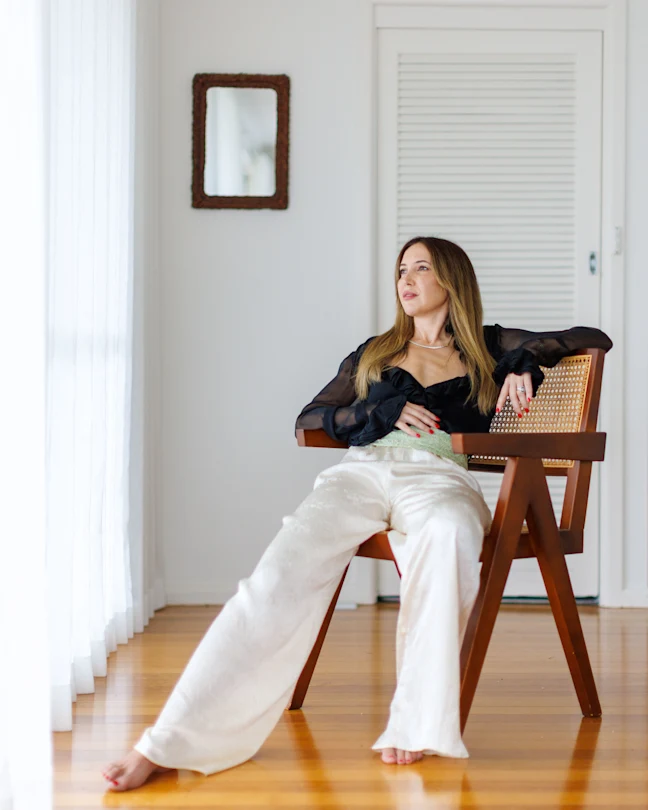
I also like this comfort in fashion.
I really like this shift toward comfort in fashion. Clothes should make you feel good and let you move freely instead of forcing you to follow every traditional style rule. I’ve found some great comfortable pieces through Catalog Favorites that still look stylish without feeling restrictive.