Fashion: The Y2K Underdog: How Nike is Betting on Obscurity with the Air Max TL 2.5
- InsightTrendsWorld

- Oct 19, 2025
- 8 min read
What is the Y2K Sneaker Revival Trend: This trend represents a strategic deep-dive by major footwear brands like Nike into their archives to resurrect lesser-known, often technically complex and aesthetically "aggressive" sneaker designs from the late 1990s and early 2000s. It moves beyond reviving obvious classics and instead focuses on "obscure" silhouettes to satisfy a market hungry for a more unique and authentic Y2K aesthetic.
Celebrating the Obscure: The core of this trend is the elevation of the "underdog." Unlike the culturally iconic Nike Shox TL, the Air Max TL 2.5 is a more niche model. Its revival is a deliberate choice to offer consumers a sense of discovery and a look that isn't already mainstream.
The "Hyper-Charged" Aesthetic: The trend champions a specific design language from the 2000s: "sporty, racy, and hyper-charged." This is characterized by layered, dynamic uppers, visible technology (like the full-length Air Max unit), and a sense of futuristic motion, which stands in stark contrast to the minimalist sneaker trends of the 2010s.
Saturation as a Strategy: Nike's approach of "pumping new colorways on the regular" (over a dozen in the last year) is a key part of the trend. By flooding the market with options, they aim to build familiarity and momentum for a silhouette that doesn't have the pre-existing fame of its peers.
Why it is the topic trending: This trend is gaining significant traction as a direct reaction to years of market saturation by the same few retro models. A new generation of consumers is actively seeking out unique, "IYKYK" (if you know, you know) styles, and brands are responding by unearthing the more esoteric gems from their archives.
A Quest for Individuality: With ubiquitous models like the Dunk and Air Force 1 dominating the last few years, fashion-forward consumers are looking for ways to stand out. The relative obscurity of the Air Max TL 2.5 is its biggest selling point.
The Cyclical Nature of Fashion: The fashion pendulum is swinging hard away from the clean, simple aesthetics of the past decade and towards the more complex, technical, and "ugly-cool" styles of the Y2K era.
Brand-Driven Nostalgia: Nike is actively driving this trend. By strategically reintroducing models like the TL 2.5 and its more famous cousin, the Shox, they are not just responding to demand but actively shaping it, reminding consumers of a past era of design innovation.
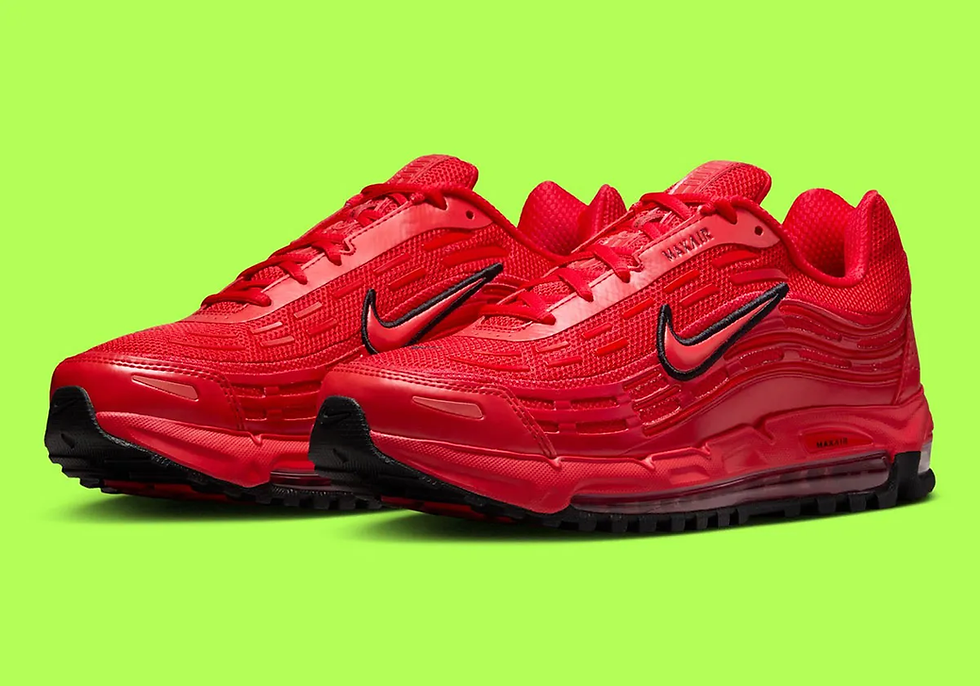
Overview: Nike is continuing its deep dive into the Y2K era with a new, aggressive "University Red/Black" colorway for the Air Max TL 2.5. This release is part of a broader strategy to revive lesser-known silhouettes from the early 2000s to cater to the growing demand for the era's unique design aesthetic. While the TL 2.5 remains more "obscure" than its wildly popular contemporary, the Nike Shox TL, the brand is pushing the model hard with a constant stream of new colorways. This latest release, with its "sporty, racy" vibe, perfectly captures the hyper-charged energy that is making these archival sneakers a hit with a new generation.
Detailed findings: The article provides specific details about the release and its market context.
The Shoe: The Nike Air Max TL 2.5.
The New Colorway: A "University Red/Black" version designed to look "racy" and "hyper-charged."
Market Position: The silhouette is presented as an "obscure" Y2K retro, currently less popular than the more culturally significant Nike Shox TL.
Nike's Strategy: The company is releasing a high volume of colorways (over a dozen in the last year) to build momentum for the model.
Retail Information: The shoe is expected to release on Nike.com soon for a retail price of $185.
Key success factors of the Y2K Sneaker Revival:
Authentic Archival Design: The shoe must be a genuine retro from the era, not a modern shoe trying to imitate the style. Its "obscurity" is a key part of its appeal.
Aggressive, High-Energy Colorways: The chosen color palettes need to match the shoe's dynamic design. Bold, sporty colors like "University Red" are more effective than subtle, minimalist tones.
A Connection to "Visible Tech": The design must feature the era's signature obsession with visible technology, such as the full-length Air Max sole.
Consistent Releases: Keeping the model in the public eye through a steady stream of new color options is crucial for building relevance for a lesser-known silhouette.
Key Takeaway: The revival of the Air Max TL 2.5 proves that the Y2K nostalgia trend has matured beyond obvious A-list hits; brands are now successfully marketing the "deep cuts" from their archives to a new generation of sneakerheads.
Obscurity is the New Cool: In a saturated market, a lesser-known history is more compelling than a famous one.
The "B-Sides" Are Becoming Hits: Nike is successfully turning its less famous archival models into profitable, hyped releases.
Aesthetic Over Everything: The success of this trend is driven purely by the aesthetic appeal of the Y2K era, as many of the consumers buying these shoes are too young to have nostalgic memories of them.
Core consumer trend: "Archival Discovery." This describes a consumer behavior centered on the desire to unearth and adopt lesser-known styles from a brand's past. This consumer acts as a curator, valuing the uniqueness and "story" of an obscure retro model over the mainstream popularity of a well-known classic.
Description of the trend:
Moving Beyond the "Greatest Hits": A conscious shift away from the most famous retro sneakers (like the Air Jordan 1) in favor of models with a more niche, subcultural appeal.
The "IYKYK" Factor: The trend is driven by the social currency that comes from wearing something that other enthusiasts will recognize, but the general public won't.
Aesthetic-Driven Nostalgia: Adopting the visual language of a past era without necessarily having a personal, lived experience of it.
Key Characteristics of the trend:
Technically Complex Designs: A preference for sneakers with intricate paneling, mixed materials, and a "busy" look.
Visible Technology: A fascination with design elements that showcase the shoe's inner workings, like Air bubbles or Shox pillars.
Subcultural Credibility: The styles are often associated with past music or fashion subcultures, adding to their appeal.
Market and Cultural Signals Supporting the Trend:
Nike's Strategic Revivals: The brand's decision to bring back not just the Shox but also the TL 2.5 "in full force" is a primary market signal.
The Rise of "Ugly-Cool" Aesthetics: The broader fashion world's embrace of aesthetics that challenge conventional notions of beauty.
Social Media Curation: The popularity of Instagram mood boards and TikTok accounts dedicated to specific fashion eras like Y2K.
What is consumer motivation: The motivation is to craft a unique personal style and to demonstrate a deeper, more sophisticated knowledge of sneaker culture.
To Stand Out: A desire to wear something that isn't on everyone else's feet.
To Express Individuality: Using a specific, niche sneaker to signal an alignment with a particular subculture or aesthetic.
The Thrill of the Hunt: The enjoyment derived from discovering and acquiring a more obscure, "harder-to-find" style.
What is motivation beyond the trend: The deeper motivation is a cyclical rejection of the perceived "boredom" of minimalist design and a desire for more expressive and optimistic fashion.
A Rejection of Minimalism: A pushback against the simple, clean, and often unadorned sneaker styles that dominated the 2010s.
"Future-Nostalgia": A fascination with a past era's vision of the future, which often feels more creative and daring than the present.
The Performance of Expertise: Wearing an obscure model is a way to perform one's expertise and "insider" status within a community.
Description of consumers: The Nu-Nostalgics. This segment is composed primarily of younger, fashion-forward consumers (Gen Z and late Millennials) who are adopting the aesthetics of an era they may have been too young to experience fully. Their nostalgia is for the aesthetic itself, not for a personal memory.
Consumer Detailed Summary:
Who are they: A new generation of sneakerheads, streetwear enthusiasts, and fashion followers who are highly active on social media.
What is their age?: Primarily 16-30.
What is their gender?: Diverse.
What is their income?: Varies, but the $185 price point targets a consumer with disposable income dedicated to fashion and hobbies.
What is their lifestyle: Highly online, visually driven, and they use their clothing and footwear as a primary form of self-expression and identity curation.
How the Trend Is Changing Consumer Behavior:
Prioritizing the "Deep Cut": Consumers are actively researching and seeking out more obscure models from brand archives.
The Aesthetic is the Algorithm: Purchasing decisions are heavily influenced by how a shoe fits into a specific aesthetic seen on platforms like TikTok and Instagram (e.g., "Y2K," "gorpcore").
Brand Loyalty is to the Era, Not Just the Brand: Consumers may be loyal to any brand that can authentically deliver the specific Y2K aesthetic they are looking for.
Implications of trend Across the Ecosystem (For Consumers, For Brands):
For Consumers: It provides a much wider and more interesting range of sneaker options, allowing for greater self-expression.
For Brands (Nike): It unlocks a vast and profitable new revenue stream from their deep archives, allowing them to test the market with less famous models and potentially create the "classics" of the future.
Strategic Forecast:
The Archives Will Get Deeper: Expect brands to dig even deeper into their catalogues, reviving models from the 1999-2007 period that have been completely forgotten.
The Return of Niche Sports Aesthetics: We will likely see the revival of silhouettes from niche sports that were popular in the Y2K era, such as trail running, cross-training, and even skateboarding.
Collaborations as a Launchpad: Brands will use collaborations with influential boutiques and designers as a low-risk way to reintroduce and legitimize these obscure models before a wider release.
Areas of innovation (implied by trend):
Material and Comfort Upgrades: Innovating by using modern, lighter, and more comfortable materials in the construction of these retro models without altering their original visual DNA.
Archival Storytelling: Using marketing and digital content to educate a new generation of consumers on the original history, technology, and cultural context of these once-forgotten shoes.
Hybrid Color Palettes: Creating new colorways that bridge the gap between the Y2K aesthetic and contemporary color trends, making the shoes more versatile.
Summary of Trends
The deep cuts are the new hits.
Core Consumer Trend: Archival Discovery Consumers are acting as curators, seeking out obscure retro models to express their individuality and demonstrate a deeper knowledge of fashion history.
Core Social Trend: The Y2K Aesthetic Loop A powerful, self-reinforcing social media trend where the visual language of the early 2000s is being endlessly discovered, remixed, and re-popularized by a new generation.
Core Strategy: The Archive Offensive For brands, the winning strategy is to weaponize their own archives, systematically reviving lesser-known models to create a constant stream of "new" yet nostalgic products.
Core Industry Trend: The Great Retro Rotation The sneaker industry is rotating its focus away from the classic 1980s basketball and court shoes and towards the more technical and futuristic running and lifestyle designs of the 2000s.
Core Consumer Motivation: The Currency of Uniqueness The driving force is the desire to own and wear something that feels unique and discovered, providing a sense of individuality in a world of mainstream trends.
Trend Implications for consumers and brands: The End of the Obvious The key implication is that the easy wins are over. Brands can no longer rely on just their top 5 most famous models; they now need to tell more interesting stories with the deeper parts of their history.
Final Thought (summary): The revival of the Nike Air Max TL 2.5 is a perfect case study in the "Archival Discovery" trend. It proves that in the current sneaker landscape, obscurity is a feature, not a bug. Nike's strategy is a savvy recognition that a new generation of consumers, the "Nu-Nostalgics," are not looking for the shoes of their parents' youth, but for the strange and wonderful artifacts from a past they never knew. The "racy" red colorway is simply the fuel for a silhouette that is already running on the powerful engine of uniqueness. The implication is clear: the future of retro is no longer about re-issuing the greatest hits, but about finally playing the B-sides.



Comments