
Fashion: Wear the Change: How Fashion Activism Turns Style into a Social Movement
- InsightTrendsWorld

- Nov 3, 2025
- 6 min read
What Is the “Fashion Activism” Trend? – When Wardrobes Become Weapons of Change
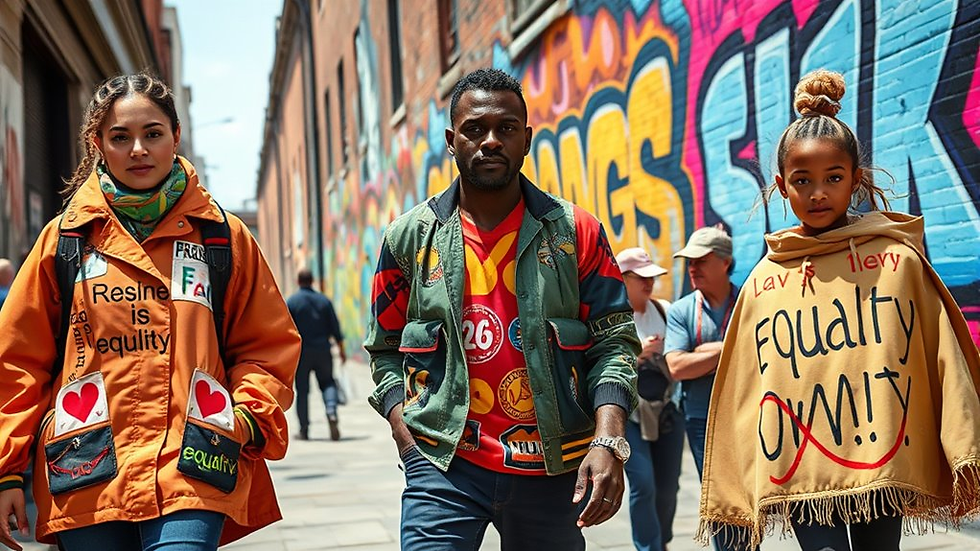
Fashion activism transforms clothing from a product into a political and ethical statement.
Style as a Statement: People use what they wear to express values, from sustainability and fair labor to gender equality and climate awareness.
Conscious Consumption: Buying ethically sourced and sustainable clothes supports transparency and holds brands accountable.
Everyday Activism: Clothing becomes a daily form of protest and education, turning individuals into advocates for progress.
Insight: Fashion activism redefines personal style as a form of everyday empowerment.
Why It Is Trending: From Fast Fashion Fatigue to Conscious Expression
Global consumers are rethinking fashion’s role in society—seeking purpose-driven choices over disposable trends.
Sustainability Surge: Environmental awareness has made consumers prioritize eco-friendly materials and circular fashion.
Ethical Awakening: Shoppers demand visibility into supply chains, rejecting brands that exploit workers or harm ecosystems.
Social Media Mobilization: Platforms like Instagram and TikTok amplify fashion activism, turning viral looks into global conversations.
Insight: Fashion is no longer silent—it's a voice for values, amplified through digital culture.
Overview: Style That Speaks for Justice
Fashion activism encourages individuals to align their closets with their conscience. Each purchase becomes a statement of solidarity with ethical production and social reform. By supporting sustainable materials like organic cotton, recycled fibers, and plant-based textiles, consumers foster innovation while promoting fairness and inclusivity across the industry.
Insight: Responsible fashion isn’t just a lifestyle—it’s a collective call for global accountability.
Detailed Findings: The Threads of Transformation
Fashion activism is rewriting the rules of how we buy, wear, and relate to clothing.
Sustainable Materials: Shoppers are embracing organic, renewable, and recycled fabrics that reduce waste and carbon impact.
Ethical Sourcing: Fair wages, humane conditions, and transparent supply chains are becoming non-negotiable.
Halal and Inclusive Fashion: Growing awareness of cultural and ethical inclusivity inspires new standards of diversity in design.
Slow Fashion Revolution: Consumers are prioritizing quality and longevity over mass production and short-lived trends.
Insight: The next luxury in fashion is ethics—because conscience never goes out of style.
Key Success Factors of the Trend: Consciousness, Creativity, and Community
The power of fashion activism lies in its blend of identity, integrity, and innovation.
Purpose-Led Design: Brands that create with intention resonate with value-driven audiences.
Community Influence: Fashion activists use digital communities to amplify awareness and demand accountability.
Cultural Relevance: Clothing as activism connects movements—feminism, climate justice, labor rights—through a shared visual language.
Insight: The strongest fashion movements are built not in factories, but in communities.
Key Takeaway: Style Is the New Social Currency
The fashion activism movement proves that what you wear can drive what you believe in. Every ethical purchase, every sustainable brand choice, becomes a catalyst for systemic change.
Personal Expression: Fashion becomes the most visible form of advocacy.
Cultural Impact: Wardrobes evolve into platforms for awareness and education.
Collective Progress: Consumers use style to unite around common causes.
Insight: Your outfit is your activism—dress like the future you want to create.
Core Consumer Trend: The Conscious Dresser
The Conscious Dresser sees fashion as activism and uses it to reflect values of equality, sustainability, and authenticity. They’re intentional shoppers who prioritize transparency and ethics over hype.
Insight: Consumers are no longer buying clothes—they’re investing in change.
Description of the Trend: Fashion as an Agent of Change
Fashion activism is the fusion of advocacy and aesthetics, transforming every purchase into a political act.
From Trend to Tool: Style becomes a medium for self-expression and social impact.
From Product to Purpose: Brands are rebranding fashion as a form of responsibility, not excess.
From Individual to Collective: Movements like Fashion Revolution turn personal style into public advocacy.
Insight: Fashion’s future is not just wearable—it’s influential.
Key Characteristics of the Trend: Ethical, Expressive, Empowered
Fashion activism thrives on authenticity and intention.
Ethical Roots: Sustainable materials and fair labor practices define responsible production.
Expressive Design: Bold, statement-driven pieces convey causes visually and emotionally.
Empowered Ownership: Consumers see fashion as a way to claim identity and agency.
Insight: Every garment tells a story—the key is choosing one worth wearing.
Market and Cultural Signals Supporting the Trend: From Runway to Revolution
From global fashion weeks to micro-influencers, fashion activism is shaping mainstream discourse.
Eco-Collections Rising: Major brands are launching climate-positive lines with recycled fabrics.
Grassroots Movements: Initiatives like Fashion Revolution amplify worker rights and transparency.
Cultural Amplification: Social justice messaging is embedded in campaigns, collaborations, and pop culture.
Insight: The front row of fashion’s next era belongs to the ethically aware.
What Is Consumer Motivation: Values Over Vanity
Consumers are motivated by the desire for impact over image—they want purchases to mirror their principles.
Emotional Reward: Wearing ethical fashion brings pride and purpose.
Collective Belonging: Shared values foster communities around conscious consumption.
Civic Influence: Consumers see fashion as a tool to advocate for equality, sustainability, and rights.
Insight: The modern shopper wants meaning stitched into every seam.
Description of Consumers: The Ethical Trendsetters – Stylish, Purpose-Driven, Global
The Ethical Trendsetters are bold, curious, and values-oriented, blending advocacy with aesthetics.
Who They Are: Millennials and Gen Z changemakers passionate about equality and the planet.
Age & Gender: 20–40, diverse in background and identity.
Income & Lifestyle: Middle to upper-income professionals prioritizing ethical brands and sustainable living.
Mindset: They use social media to inspire awareness, using fashion to express causes they believe in.
Insight: Ethical Trendsetters prove that style is the new protest.
How the Trend Is Changing Consumer Behavior: From Fast to Fair
Fashion activism has shifted the mindset from mindless consumption to mindful creation.
Rejecting Fast Fashion: Conscious buyers opt for sustainable and secondhand alternatives.
Advocating for Change: Consumers use petitions, hashtags, and purchasing power to demand ethics.
Investing in Longevity: Durability and timeless design replace disposable trends.
Insight: The future of fashion lies in slowing down to move forward.
Implications Across the Ecosystem: From Closet to Collective Action
The fashion activism movement is transforming the global fashion system.
For Consumers: Empowered to create social impact through wardrobe choices.
For Brands: Must align with values of transparency, sustainability, and fairness.
For Culture: Fashion becomes a shared language of resistance and renewal.
Insight: Activism is no longer optional—it’s fashionable.
Strategic Forecast: The Rise of Purpose-Led Fashion
Fashion activism will dominate the next decade as consumers demand integrity and inclusivity.
Mainstream Momentum: Sustainability shifts from niche to necessity.
Tech Integration: Blockchain and AI enhance supply-chain transparency.
Collaborative Advocacy: Partnerships between brands and activists redefine influence.
Insight: The next wave of fashion leaders will design with ethics, not just aesthetics.
Summary of Trends: “The Conscious Closet – Where Ethics Meet Expression”
Fashion activism embodies a new era of mindful style, merging ethics, empowerment, and emotion. It represents a cultural awakening where style becomes a voice for systemic change, and every purchase a declaration of values.
Ethical Roots: The movement prioritizes sustainability, fair trade, and inclusivity as the foundation of fashion’s evolution.
Emotional Resonance: Fashion connects people through shared beliefs, turning consumers into advocates.
Social Influence: Movements thrive through digital storytelling and visible activism on global platforms.
Insight: Fashion activism is not just about looking good—it’s about doing good, visibly and vocally.
Core Consumer Trend: “The Conscious Dresser”
Consumers are moving from consumption to contribution, seeing every outfit as a way to spark dialogue and demonstrate awareness.Insight: Clothing is no longer superficial—it’s socially significant.
Core Social Trend: “The Aesthetic of Accountability”
Social movements now express themselves through wearable symbolism—fashion becomes protest, pride, and purpose in one.Insight: Style is storytelling, and accountability is the new allure.
Core Strategy: “Design with Purpose”
Brands that thrive will integrate ethics into every thread, treating sustainability and justice as design principles, not marketing slogans.Insight: Integrity has replaced image as the ultimate brand value.
Core Industry Trend: “Slow Fashion Revolution”
The fashion industry is embracing circular models, sustainable sourcing, and regenerative materials to align profit with purpose.Insight: The next frontier of innovation is ethical longevity.
Core Consumer Motivation: “Purpose Over Possession”
Shoppers want to own less but mean more—seeking fulfillment from their purchases’ impact rather than accumulation.Insight: The future of luxury is moral, not material.
Core Insight: “Empowerment in Every Stitch”
Fashion is power, and activism is its expression. Every garment designed or worn consciously contributes to systemic transformation.Insight: True influence comes from aligning aesthetics with ethics.
Trend Implications for Consumers and Brands: “The Wardrobe Revolution”
Fashion activism blurs the line between commerce and conscience, creating opportunities for both change and growth.
For Consumers: Style becomes a vehicle for activism and self-expression.
For Brands: Authentic storytelling and transparent practices are key to survival.
For Society: Fashion becomes a democratic force for inclusion and equity.
Insight: The runway of the future leads directly to responsibility.
Final Thought: Dressing for a Better Tomorrow
Fashion activism proves that what we wear can be revolutionary. From the fabrics we choose to the causes we support, style becomes a mirror of our ideals. The new luxury is conscience, and the future of fashion belongs to those who wear their values proudly.
Insight: The most powerful statement you can make isn’t spoken—it’s worn.


Comments