


From K-Pop to K-Movies: How NCT, Fifty Fifty and The Boyz Are Taking the K-Trend Into Cinema

The K-Trend is expanding beyond the individual success of K-pop, K-dramas and Korean movies into a connected entertainment ecosystem where audiences can follow the artists they love across formats. New theatrical projects starring NCT's Jeno and Jaemin, Fifty Fifty's Keena, Chanelle Moon, Yewon, Hana and Athena, and The Boyz's Younghoon show how established music fandom can become the starting audience for new screen entertainment. Emerging from short-form series on the K-pop-focused Kitz platform before expanding into theatrical editions for international markets, these projects point toward Fandom-Driven Entertainment: content built around audiences that already have an emotional reason to pay attention.
Why Everyone Is Talking About It: K-Pop Stars Are Moving Into New Entertainment Worlds
Korean sales company Finecut has secured international deals for three movies featuring members of major K-pop groups: After-School Exorcism Club: Girls’ Night, Wi-Fi Love In The Palace and Wind Up: The Movie. Rather than conventional standalone movie projects, all three are theatrical editions of short-form series originating on Kitz, Takeone Company's global K-pop-focused content platform.
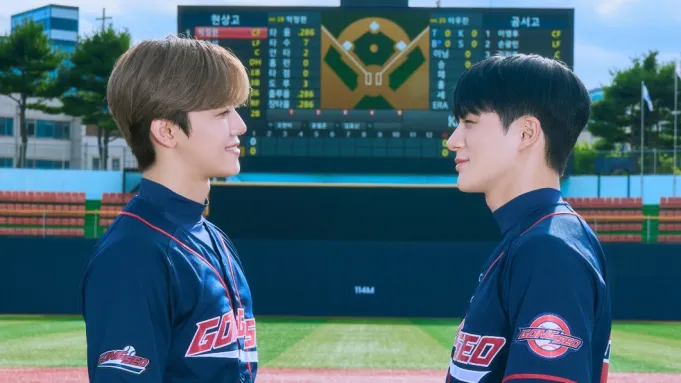
The names make the strategy particularly visible. After-School Exorcism Club: Girls’ Night stars Fifty Fifty's Keena, Chanelle Moon, Yewon, Hana and Athena; Wi-Fi Love In The Palace features The Boyz's Younghoon; and Wind Up: The Movie stars NCT's Jeno and Jaemin. Instead of asking audiences to discover entirely unfamiliar talent and stories, the projects can begin with artists who already have recognition and fan communities.➡️ Viral Insight: The K-Trend is increasingly able to turn the attention surrounding an artist into attention surrounding an entirely new entertainment property.
Why Consumers Are Changing: Fans Want More Ways Into the Worlds They Love
Fandom is becoming less confined to a single entertainment format. Following a K-pop group can increasingly lead audiences toward performances, social content, series and movies, creating multiple ways of maintaining a relationship with the artists and culture they already enjoy. A fan who knows NCT, Fifty Fifty or The Boyz therefore arrives at these movies with something traditional new releases have to build from zero: recognition.
That changes the conventional audience-development journey. Entertainment traditionally asks a new story to attract viewers and then potentially turn those viewers into fans. Fandom-Driven Entertainment can reverse that relationship.
OLD MODEL: CONTENT → DISCOVERY → AUDIENCE → FANDOM
EMERGING MODEL: FANDOM → CONTENT → ENGAGEMENT → NEW FORMAT → BIGGER CULTURAL WORLD
➡️ Consumer Insight: I don't just want to follow the artists I love — I want more ways to enter their world.
Who Is Driving This Trend: Culture-Fluid K-Fans
These audiences do not necessarily separate Korean music, television, movies and digital culture into rigid categories. Their relationship can begin with a song or performer and then expand as they discover other parts of the Korean entertainment ecosystem. The artist becomes a gateway rather than the final destination.
That makes recognizable names particularly valuable. Fifty Fifty gained international prominence through the 2023 hit Cupid, while the presence of NCT's Jeno and Jaemin and The Boyz's Younghoon gives their respective projects immediate connections to established K-pop communities.
Core Motivations: Stay Inside the Culture I Love
Connection – Keep Me Close to the Artists I FollowConsumers want to extend their relationship with favorite artists beyond music.
Fandom – Give Me More to FollowConsumers want to discover new experiences connected to communities they already belong to.
Discovery – Take Me Somewhere NewConsumers want to use familiar artists as gateways into unfamiliar stories and formats.
Belonging – Give Our Community Something NewConsumers want to share releases, conversations and experiences with other fans.
Immersion – Make the Cultural World BiggerConsumers want to move beyond individual songs or performances into richer entertainment worlds.
Participation – Let Me Follow the JourneyConsumers want to experience artists evolving across different creative formats rather than remaining in one category.
➡️ Audience Insight: The artist may attract the fan, but the expanding cultural world gives that fan more reasons to stay.
Why This Trend Matters Right Now: The K-Trend Is Becoming an Ecosystem
The international expansion of Korean culture has created something increasingly valuable: audiences familiar with the idea of discovering Korean entertainment across categories. These three projects demonstrate how that cultural momentum can be connected more deliberately. Wi-Fi Love In The Palace, for example, combines The Boyz's Younghoon with a story adapted from a Kakao Page webtoon, bringing together K-pop, Korean screen entertainment and Korea's webtoon ecosystem within the same property.
Kitz adds another layer. The three projects began as short-form series on a platform explicitly focused on global K-pop content before becoming theatrical editions. That creates a potential development journey in which smaller digital formats establish engagement before properties move into larger entertainment formats and international markets.
K-POP → K-CONTENT → K-MOVIES → K-CULTURE → GLOBAL FANDOM
➡️ Why It Matters: The next phase of the K-Trend may be less about exporting individual Korean hits and more about moving audiences continuously across a Korean cultural ecosystem.
Viral Potential: The Fanbase Comes Before the Movie
Celebrity casting has always helped entertainment attract attention, but K-pop adds a particularly organized form of global fandom. Fans already follow releases, personalities and activities closely, giving projects featuring recognizable idols an immediate conversation network that can potentially spread awareness across markets.
The international sales underline that portability. After-School Exorcism Club: Girls’ Night has sold to Indonesia, Singapore and Taiwan; Wi-Fi Love In The Palace to Japan, Indonesia and Taiwan; while Wind Up: The Movie has secured sales covering Hong Kong and Macao, the CIS, Japan, Singapore, Malaysia, Indonesia, Taiwan and Thailand.
K-POP STAR → EXISTING FANDOM → NEW STORY → FAN CONVERSATION → INTERNATIONAL DISCOVERY
➡️ Viral Potential: The fanbase doesn't have to be created after the movie launches — part of it can already be waiting before the movie exists.
Marketing Strategy: Turn Fandom Into a Content Ecosystem
The opportunity is not simply to cast more K-pop stars in movies. It is to design entertainment journeys that allow existing fandom to travel naturally from one format into another.
Strategy Area | Opportunity |
Product – Build Across Formats | Develop stories capable of moving from short-form and digital entertainment into longer-form series, movies and theatrical experiences. |
Pricing – Monetize Different Levels of Fandom | Create accessible digital entry points alongside higher-value theatrical, event and premium fan experiences. |
Promotion – Activate Existing Communities | Use artists and established fan communities as the first layer of discovery while ensuring the story can reach audiences beyond the fandom. |
Distribution – Follow the Global Fanbase | Prioritize territories where Korean entertainment and specific artists already have strong audience communities. |
Innovation – Build Connected K-Entertainment Worlds | Combine music, webtoons, short-form storytelling, movies and other formats into entertainment ecosystems rather than isolated releases. |
➡️ Strategic Insight: The opportunity isn't simply to borrow popularity from K-pop — it is to turn fandom into a bridge between entertainment formats.
Trend Snapshot: When Fandom Becomes Entertainment Infrastructure
The K-Trend is evolving from the international popularity of individual Korean cultural categories toward a system where each category can help audiences discover the next.
Trend Dimension | Insight |
Broad Trend – K-Trend | Korean culture continues expanding internationally across interconnected entertainment and lifestyle categories. |
Industry Trend – Fandom-Driven Entertainment | Existing fan communities increasingly become launch audiences for new stories and entertainment formats. |
Lifestyle Trend – Fandom | Consumers want deeper, continuing relationships with the artists and cultural worlds they love. |
Strategy – Follow the Fan | Build content journeys that allow audiences to move naturally from music into digital storytelling, series, movies and experiences. |
Consumer Motivation – More Ways Into the World | Fans want new opportunities to remain connected to favorite artists and communities. |
Business Opportunity – Turn Audiences Into Ecosystems | Existing fandom can lower the discovery barrier for new formats, properties and international releases. |
Innovation Outlook – Cross-Format K-Culture | Music, webtoons, short-form content, cinema and other Korean entertainment categories can increasingly reinforce one another. |
➡️ Trend Snapshot Insight: K-TREND → FANDOM-DRIVEN ENTERTAINMENT → FANDOM. Korean culture's global strength increasingly comes not only from producing individual hits, but from giving audiences more ways to move through the culture they already love.
Final Thoughts: The K-Trend Is Becoming Bigger Than Any One Format
The significance of NCT's Jeno and Jaemin, Fifty Fifty's Keena, Chanelle Moon, Yewon, Hana and Athena, and The Boyz's Younghoon appearing in these projects is therefore bigger than K-pop stars becoming actors. Their presence illustrates how audiences built around music can become potential audiences for entirely different entertainment formats, allowing fandom to travel with the artist.As the K-Trend matures globally, its next competitive advantage may come from these connections. Music can create fandom, fandom can create discovery, digital content can test engagement, movies can expand the experience, and international distribution can take the resulting property into new markets. The individual format becomes less important than the ecosystem connecting them.
➡️ Final Insight: The global K-Trend is creating audiences willing to follow Korean culture across increasingly diverse entertainment formats. Fandom-Driven Entertainment turns that existing connection into a powerful starting point for new stories, properties and markets. The future of the K-Trend may not be one Korean phenomenon replacing another — but every part of Korean culture making the others bigger.


This post highlights the fascinating crossover between K-Pop and cinema! How do you think these trends influence global perceptions of Korean culture? Also, can online games like those on wacky flip play a role in spreading this cultural wave?