


Global Pantry Culture: World Flavours Are Turning Everyday Cooking Into Cultural Discovery
- InsightTrendsWorld

- May 27
- 11 min read
Authentic Regional Ingredients Are Becoming the New Food Exploration Trend
World flavours becoming the new lifestyle cooking identity
Food culture is increasingly shifting away from basic international “fusion” cooking toward deeper exploration of authentic regional ingredients, culturally rooted pantry products, and globally inspired flavor ecosystems. The rise of world flavours reflects this transformation by turning everyday home cooking into a form of culinary discovery, identity exploration, and lifestyle participation.
Rather than sticking to familiar sauces and generic spice blends, consumers increasingly seek products like gochugaru, guajillo chillies, Basque-style chorizo, fermented soy bean paste, tahini, and regional Italian specialties that feel culturally specific and emotionally immersive. World flavours increasingly represent culinary curiosity, authenticity-driven consumption, premium pantry culture, and global food storytelling.
At the same time, social media, travel inspiration, streaming food content, and Gen Z experimentation increasingly encourage consumers to cook beyond their own cultural comfort zones. Global flavours resonate because they combine novelty, emotional escapism, authenticity, and everyday usability into accessible home-cooking experiences. The result is a food landscape where pantry products increasingly function as cultural lifestyle discovery tools.
Trend Overview: Regional World Flavours Becoming Mainstream Food Culture
What is happening — Consumers increasingly seek authentic regional flavours from Korean, Mexican, Basque, Middle Eastern, Malaysian, Eastern Mediterranean, Italian, and South American cuisines.
➡️ implication: Authenticity increasingly shapes food purchasing behavior.
Why it matters — Consumers increasingly view unfamiliar ingredients as exciting lifestyle experiences rather than intimidating cooking barriers.
➡️ implication: Culinary experimentation increasingly becomes mainstream behavior.
Cultural shift — Food culture is moving from generic “international cuisine” toward provenance-led regional storytelling and ingredient specificity.
➡️ implication: Regional authenticity increasingly functions as premium value.
Consumer relevance — Pantry products now help consumers emotionally participate in global cultures through cooking rituals and flavor exploration.
➡️ implication: Cooking increasingly becomes lifestyle identity expression.
Market implication — Fine-food retailers, cafés, and specialty brands increasingly invest in culturally rooted pantry ecosystems and educational food storytelling.
➡️ implication: Global pantry culture becomes commercially scalable.
The trend reflects how authenticity increasingly shapes modern food culture.
Trend Description: How World Flavours Reflect Emerging Consumer Behavior
Context — Fine-food retailers increasingly report rising demand for authentic regional ingredients like pomegranate harissa paste, premium soy sauces, gochugaru, Basque peppers, and Mexican regional chillies.
➡️ implication: Consumers increasingly embrace culturally specific pantry products.
How it works — Consumers discover global flavors through specialty stores, social media, cafés, restaurants, and food storytelling that make unfamiliar ingredients feel approachable and exciting.
➡️ implication: Accessibility increasingly accelerates culinary experimentation.
Key drivers — Gen Z curiosity, K-culture influence, food TikTok, premium pantry culture, authenticity trends, and travel-inspired escapism are accelerating the movement.
➡️ implication: Cultural exploration increasingly shapes grocery consumption.
Why it spreads — World flavours perform strongly online because recipe discovery, visually rich ingredients, and chef-led education create highly engaging food content.
➡️ implication: Food storytelling increasingly drives purchasing behavior.
Where it is seen — The trend appears across fine-food retailers, specialty delis, modern cafés, premium supermarkets, food media, and social-media cooking communities.
➡️ implication: Retail increasingly functions as cultural food discovery.
Key Players & Innovators — Delilah Fine Foods, Ottolenghi pantry products, Poon’s Kitchen, Korean ingredient brands, and regional Mexican food innovators continue shaping world-flavour consumption.
➡️ implication: Specialty food retailers increasingly drive mainstream flavor innovation.
Future — World flavours may increasingly evolve into AI-curated cooking ecosystems, regional ingredient subscriptions, premium pantry personalization, and cross-cultural home-cooking platforms.
➡️ implication: Future food growth may increasingly revolve around global culinary participation.
The trend highlights how authenticity and discovery increasingly shape everyday cooking culture.
Insight: Global Flavor Discovery Is Becoming a Lifestyle Identity System
World flavours reflect the rise of authenticity-driven, globally inspired, pantry-centered food ecosystems.
Consumers increasingly seek cultural discovery, culinary experimentation, emotional escapism, and premium cooking experiences through food.
Food innovation is evolving toward regional storytelling systems powered by authentic ingredients and accessible culinary exploration.
The movement succeeds because it combines global cuisines, social-media discovery, premium pantry culture, and approachable experimentation into scalable consumer excitement.
The future of food culture may increasingly revolve around building globally immersive pantry ecosystems rooted in authenticity, discovery, and culturally driven cooking participation.
Why World Flavours Are Growing: Consumers Want Authentic and Exploratory Cooking Experiences
Consumers Increasingly Use Cooking as Cultural Exploration
Food consumers are increasingly moving away from repetitive meal habits toward globally inspired cooking experiences built around authenticity, experimentation, and regional storytelling. World flavours are growing because consumers increasingly see unfamiliar ingredients as exciting opportunities for discovery rather than intimidating cooking challenges.
The trend also reflects a broader shift where home cooking increasingly functions as lifestyle participation and emotional escapism. Global ingredients allow consumers to travel culturally through everyday meals without leaving home.
Elements Driving the Trend: Global Flavor Discovery Reshaping Food Culture
• Driver 1: Gen Z culinary curiosity➡️ Younger consumers increasingly seek bold and unfamiliar flavor experiences.
• Driver 2: Social-media food discovery➡️ TikTok and food creators increasingly normalize global ingredient experimentation.
• Driver 3: Authenticity-driven consumption➡️ Consumers increasingly prefer region-specific ingredients over generic international flavors.
• Driver 4: Premium pantry culture➡️ Sauces, spices, and condiments increasingly function as lifestyle products.
• Driver 5: K-culture and global media influence➡️ Korean, Mexican, and Middle Eastern cuisines gain visibility through entertainment and online culture.
The combination of authenticity and accessibility gives the trend strong consumer momentum.
Virality of Trend: Why World Flavours Dominate Food Content
Global flavors naturally perform strongly online because visually rich ingredients, recipe hacks, and cultural food storytelling create highly engaging content. Consumers increasingly discover ingredients like gochugaru, tahini, harissa, and regional Mexican chillies through short-form cooking videos and food creators.
The trend also spreads because consumers enjoy learning how to use unfamiliar products in simple everyday meals. Educational food content increasingly functions as entertainment and inspiration simultaneously.
Consumer Reception: Consumers Want Authentic but Accessible Flavor Experiences
Consumers increasingly respond positively to world flavours because they feel adventurous while remaining approachable. Pantry products and sauces help consumers experiment with global cuisines without needing advanced cooking skills.
➡️ implication: Accessibility increasingly strengthens culinary experimentation.
Many consumers also appreciate that authentic regional ingredients create more emotionally immersive cooking experiences compared with generic “international” food products.
➡️ implication: Provenance increasingly shapes premium food perception.
Consumers enjoy discovering products like Korean chilli powders, Middle Eastern spice pastes, and regional Mexican marinades because they feel culturally rich and socially trendy.
➡️ implication: Cultural storytelling increasingly drives ingredient desirability.
The trend reflects how authenticity increasingly defines modern food consumption.
Consumer Description: Culinary Discovery Seekers — Consumers Using Global Ingredients for Lifestyle Exploration and Authentic Cooking
The core audience includes Gen Z food explorers, premium grocery shoppers, urban home cooks, foodie communities, café audiences, and social-media-driven consumers seeking authentic and globally inspired cooking experiences. These consumers increasingly prioritize ingredients that feel culturally rooted, visually interesting, versatile, and emotionally immersive.
➡️ implication: Culinary exploration increasingly shapes lifestyle identity.
These audiences value authenticity, regional storytelling, premium pantry aesthetics, approachable experimentation, and culturally rich recipes. They often follow food creators, chef content, travel-inspired cooking pages, and specialty ingredient communities online.
➡️ implication: Food discovery culture increasingly shapes purchasing behavior.
Demographics: Globally Curious Food Consumers
Age: 20–45Gender: Broad mainstream food-culture appealIncome: Middle-income to premium grocery consumersEducation: Digitally engaged, culturally curious, lifestyle-oriented
Lifestyle: Consumers Turning Pantry Shopping Into Cultural Participation
Consumers engaging with world flavours often participate in cooking-content culture, café exploration, premium grocery shopping, and social-media recipe ecosystems. They increasingly seek products that make everyday meals feel more exciting and globally connected.
Viewing behavior: Recipe TikToks, chef content, pantry tours, global cooking videosMedia behavior: Instagram, TikTok, YouTube cooking channels, foodie communitiesLifestyle habits: Home cooking, premium grocery shopping, dinner hosting, recipe experimentationDecision drivers: Authenticity, novelty, usability, cultural storytellingValues: Discovery, creativity, cultural openness, premium experiencesExpectation shift: Consumers increasingly expect pantry products to deliver emotional and cultural engagement
Cooking increasingly functions as cultural lifestyle participation rather than basic meal preparation.
Consumer Motivation: Seeking Discovery, Authenticity, and Everyday Escapism
• Motivation 1: Culinary exploration➡️ Consumers want access to new and exciting global flavor experiences.
• Motivation 2: Authentic cooking➡️ Region-specific ingredients feel more premium and culturally immersive.
• Motivation 3: Social participation➡️ Viral food trends allow consumers to engage with online cooking culture.
• Motivation 4: Emotional escapism➡️ World cuisines provide everyday moments of cultural discovery and excitement.
The trend reflects how cultural curiosity increasingly shapes food behavior.
Why Trend Is Growing: Multiple Food and Cultural Shifts Are Aligning
World flavours are growing because social-media food discovery, authenticity culture, K-food expansion, premium pantry trends, and Gen Z experimentation are increasingly overlapping. Consumers now prioritize cooking experiences that feel culturally immersive and emotionally engaging.
• Emotional driver:➡️ Consumers increasingly seek novelty and discovery through food.➡️ Impact: Global ingredients gain stronger emotional relevance.
• Industry context:➡️ Retailers increasingly invest in regional storytelling and pantry innovation.➡️ Impact: Specialty ingredients become more accessible.
• Audience alignment:➡️ Younger consumers increasingly embrace culinary experimentation.➡️ Impact: World cuisines gain mainstream visibility.
• Motivation alignment:➡️ Consumers increasingly seek approachable cultural participation.➡️ Impact: Authentic pantry products become scalable lifestyle categories.
The convergence of authenticity and global discovery continues reshaping food culture.
Insight: Authenticity Is Becoming Food Culture’s New Premium Currency
World flavours reflect the rise of authenticity-driven, globally inspired, pantry-centered food ecosystems.
Consumers increasingly seek cultural discovery, culinary experimentation, emotional escapism, and premium cooking experiences through ingredients.
Food innovation is evolving toward regional storytelling systems powered by authentic pantry products and approachable exploration.
The movement succeeds because it combines global cuisines, premium pantry culture, accessible experimentation, and social-media discovery into scalable consumer excitement.
The future of food culture may increasingly revolve around building globally immersive pantry ecosystems rooted in authenticity, cultural storytelling, and everyday culinary participation.4
Trends 2026: Authentic Global Pantry Culture Is Reshaping Everyday Cooking
Regional Ingredients Are Becoming the New Premium Food Experience
Food culture is increasingly shifting away from generic “international” flavors toward regionally specific ingredients, culturally rooted recipes, and authenticity-driven pantry exploration. World flavours reflect a broader movement where consumers increasingly seek deeper culinary immersion through sauces, spices, condiments, chillies, and heritage cooking traditions.
The trend also signals the rise of “global pantry culture,” where consumers increasingly build identity and lifestyle experiences through curated cooking ingredients sourced from around the world. In modern food culture, authenticity increasingly becomes a form of culinary status and emotional participation.
Trend Elements: World Flavours Reshaping Food Consumption
• Regional ingredient discovery➡️ Consumers increasingly seek cuisine-specific pantry products rather than generic flavor labels.
• Authenticity-led cooking➡️ Provenance and cultural storytelling increasingly shape ingredient desirability.
• K-food pantry expansion➡️ Korean condiments and chilli products continue driving global flavor experimentation.
• Mexican regional flavor growth➡️ Consumers increasingly explore authentic Mexican chillies and marinades beyond Tex-Mex.
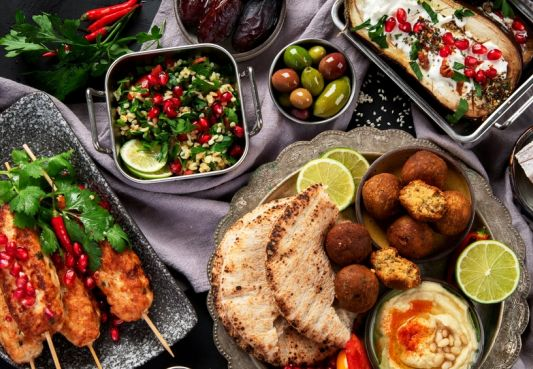
• Middle Eastern pantry culture➡️ Harissa, tahini, oils, and spice blends increasingly dominate premium grocery trends.
• Premium sauce ecosystems➡️ Condiments increasingly function as lifestyle and discovery products.
• Travel-inspired home cooking➡️ Consumers increasingly recreate global dining experiences at home.
• Food education retail culture➡️ Retailers increasingly teach customers how to use unfamiliar ingredients.
• Cultural comfort experimentation➡️ Consumers increasingly balance adventurous flavors with accessible cooking formats.
• Global café and deli inspiration➡️ Restaurants and specialty stores increasingly shape home-cooking discovery.
The trend reflects how authenticity increasingly shapes modern pantry behavior.
Trend Table: World Flavours Reshaping Modern Food Culture
Trend Name | Description | Strategic Implications |
Global Pantry Culture | World ingredients dominate kitchens | Culinary discovery drives spending |
Authentic Regional Flavours | Provenance-led foods expand | Authenticity becomes premium value |
K-Food Expansion | Korean pantry products grow globally | Asian flavor ecosystems strengthen |
Mexican Regional Cooking | Regional chillies and marinades rise | Consumers seek deeper authenticity |
Middle Eastern Pantry Boom | Harissa and spice blends gain traction | Flavor-rich condiments expand |
Premium Sauce Culture | Condiments become lifestyle products | Pantry categories gain emotional value |
Educational Food Retail | Stores teach ingredient usage | Accessibility strengthens experimentation |
Travel-Inspired Cooking | Consumers recreate global cuisines | Food becomes cultural participation |
Gen Z Flavor Exploration | Younger audiences seek bold tastes | Culinary curiosity grows mainstream |
Pantry-Based Luxury | Everyday cooking becomes elevated | Premium home cooking expands |
The table reflects how culinary discovery increasingly shapes global food culture.
Summary of Trends: Authentic Regional Flavours Are Becoming Mainstream Lifestyle Cooking
• Main Trend: Global Pantry Culture➡️ Authentic regional ingredients increasingly transform everyday cooking into cultural exploration.
• Social Trend: Culinary Discovery Participation➡️ Consumers increasingly engage with global cultures through food experimentation.
• Industry Trend: Authenticity-Led Food Retail➡️ Retailers increasingly prioritize provenance-driven ingredients and regional storytelling.
• Main Strategy: Accessible Cultural Exploration➡️ Brands simplify global cooking through approachable pantry products and educational content.
• Main Consumer Motivation: Discovery and Emotional Escapism➡️ Consumers increasingly seek exciting and immersive cooking experiences at home.
The trend reflects the growing importance of authenticity within modern food culture.
Cross-Industry Expansion: Culinary Discovery Expanding Beyond Grocery Retail
The rise of world flavours reflects a larger movement toward culturally immersive consumption ecosystems across industries. Consumers increasingly seek products and experiences that deliver discovery, authenticity, and emotional escapism.
This movement is expanding into travel, hospitality, media, kitchenware, meal kits, cooking classes, and creator-led food ecosystems. Across sectors, cultural storytelling increasingly functions as premium lifestyle value.
Expansion Factors: Global Pantry Culture Expanding Across Consumer Ecosystems
• Travel-inspired dining culture➡️ Consumers increasingly seek destination-inspired eating experiences.
• Creator-led cooking ecosystems➡️ Food influencers increasingly shape ingredient discovery and experimentation.
• Meal-kit personalization➡️ Subscription cooking increasingly introduces region-specific ingredients.
• Premium grocery storytelling➡️ Retailers increasingly market products through cultural narratives and provenance.
• Cooking-content entertainment➡️ Recipe videos increasingly function as lifestyle entertainment.
• Kitchenware globalization➡️ Consumers increasingly purchase cuisine-specific cooking tools and accessories.
• Restaurant-retail integration➡️ Cafés and restaurants increasingly influence home pantry purchasing.
• Food-tourism inspiration➡️ Global travel increasingly shapes home-cooking behavior.
• Cross-cultural flavor fusion➡️ Consumers increasingly blend multiple regional cuisines together creatively.
• AI-assisted recipe discovery➡️ Technology increasingly helps consumers navigate unfamiliar ingredients and recipes.
The trend demonstrates how culinary exploration increasingly shapes broader lifestyle ecosystems.
Insight: Cultural Authenticity Is Becoming Food Culture’s Growth Engine
World flavours reflect the rise of authenticity-driven, globally inspired, pantry-centered food ecosystems.
Consumers increasingly value cultural discovery, premium ingredients, culinary experimentation, and emotionally immersive cooking experiences through food.
Food innovation is evolving toward regional storytelling systems powered by authentic ingredients and accessible culinary participation.
The movement succeeds because it combines global cuisines, premium pantry culture, social-media discovery, and approachable experimentation into scalable consumer engagement.
The future of food culture may increasingly revolve around building globally immersive pantry ecosystems rooted in authenticity, regional storytelling, and lifestyle-driven cooking exploration.
Innovation Opportunities: How Food Brands Can Build Global Pantry Lifestyle Ecosystems
Culinary Discovery Is Becoming Food Culture’s Biggest Commercial Opportunity
Food culture is increasingly evolving beyond basic meal preparation into emotionally immersive lifestyle participation centered around authenticity, cultural storytelling, and global flavor exploration. The rise of world flavours shows how consumers increasingly seek pantry products that feel exciting, educational, and culturally meaningful.
As social-media food discovery and premium home cooking continue growing, brands have an opportunity to position pantry ingredients as emotional lifestyle products rather than simple grocery items. The future of food culture may increasingly depend on how effectively retailers and brands turn global ingredients into accessible cultural experiences.
Innovation Directions: World Flavours Reshaping Food Strategy
• Region-specific pantry collections➡️ Retailers can increasingly curate cuisine-focused ingredient ecosystems around Korea, Mexico, the Middle East, and Southeast Asia.
• Educational cooking ecosystems➡️ Brands can increasingly simplify unfamiliar ingredients through recipes, QR tutorials, and creator partnerships.
• Premium sauce and condiment expansion➡️ Pantry products can increasingly function as affordable luxury lifestyle purchases.
• Travel-inspired food branding➡️ Packaging and storytelling can increasingly recreate emotional destination experiences.
• Creator-led global cooking communities➡️ Food influencers can increasingly drive ingredient discovery and cultural experimentation.
• Cross-cultural meal kits➡️ Subscription services can increasingly introduce regional flavors through guided cooking experiences.
• AI-powered pantry personalization➡️ Technology can increasingly recommend recipes and ingredients based on consumer taste behavior.
• Restaurant-to-retail flavor ecosystems➡️ Cafés and restaurants can increasingly extend signature flavors into retail pantry products.
• Premium grocery experience design➡️ Retailers can increasingly transform shopping into culinary exploration environments.
• Accessible authenticity positioning➡️ Brands can increasingly balance authentic flavors with beginner-friendly cooking formats.
The future of food culture increasingly revolves around global culinary participation and accessible discovery.
Summary of the Trend: World Flavours Are Turning Everyday Cooking Into Cultural Exploration
• Trend essence: Global Pantry Culture➡️ Authentic regional ingredients increasingly transform home cooking into lifestyle-driven culinary discovery.
• Key drivers: Authenticity, Culinary Curiosity, and Social-Media Food Discovery➡️ Consumers increasingly prioritize culturally immersive and emotionally engaging cooking experiences.
• Key players: Specialty Retailers, K-Food Brands, and Premium Pantry Innovators➡️ Delilah Fine Foods, Korean pantry ecosystems, Ottolenghi-inspired products, and regional ingredient brands continue shaping global flavor culture.
• Validation signals: Rising Demand for Regional Ingredients➡️ Consumers increasingly seek products like gochugaru, tahini, harissa, premium soy sauces, and regional Mexican chillies.
• Why it matters: Cooking Becoming Cultural Participation➡️ Pantry shopping increasingly functions as emotional escapism and lifestyle exploration.
• Key success factors: Authenticity, Accessibility, and Storytelling➡️ World flavours succeed because they combine cultural richness with approachable experimentation.
• Where it is happening: Premium Grocery and Specialty Food Ecosystems➡️ The trend appears across fine-food retailers, cafés, delis, recipe communities, and social-media food culture.
• Audience relevance: Culinary Discovery Seekers➡️ Modern food consumers increasingly seek globally inspired and emotionally immersive cooking experiences.
• Social impact: Food Becoming Identity and Exploration➡️ Consumers increasingly use cooking to participate in global culture and personal lifestyle expression.
The trend reflects how authenticity increasingly shapes the future of food consumption.
Conclusion: Global Flavor Discovery Is Becoming Food Culture’s New Luxury Language
Insights: World flavours reflect the rise of authenticity-driven, globally inspired, pantry-centered food ecosystems where cultural discovery becomes part of everyday cooking behavior. Industry Insight: Food brands increasingly compete through regional storytelling, premium pantry experiences, accessible experimentation, and culturally immersive ingredient ecosystems rather than generic international flavoring alone. Consumer Insight: Consumers increasingly seek culinary discovery, emotional escapism, authentic ingredients, and globally inspired cooking experiences through food culture. Social Insight: Social-media cooking communities and creator ecosystems increasingly transform pantry shopping into lifestyle participation and cultural exploration. Cultural/Brand Insight: The future of food culture may increasingly revolve around building globally immersive pantry ecosystems powered by authenticity, regional storytelling, and emotionally engaging culinary discovery.


Comments