


Ozempic Face Culture: Extreme Celebrity Thinness Is Reshaping Hollywood Beauty Standards
- InsightTrendsWorld

- May 28
- 12 min read
Ultra-Thin Celebrity Aesthetics Are Returning Through Viral Weight-Loss Culture
Extreme thinness becoming the new controversial status aesthetic
Celebrity culture is increasingly shifting away from body-positivity-driven beauty narratives toward a renewed obsession with ultra-thin aesthetics, dramatic weight loss, and highly visible facial transformation linked to wellness drugs, social pressure, and image optimization. The rise of “Ozempic face culture” reflects this transformation by turning rapid celebrity body changes into viral online discourse, controversy, and social-media spectacle.
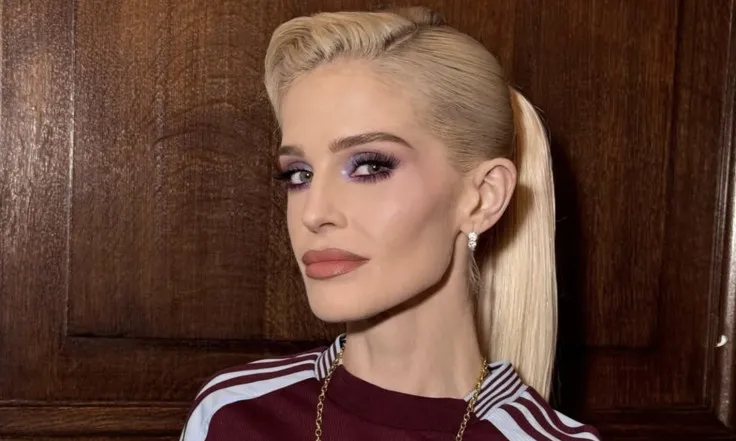
Rather than simply discussing fashion or red-carpet styling, audiences increasingly focus on visible weight-loss transformations, hollow facial structures, and “skeletal” appearances associated with Hollywood’s growing thinness obsession. Viral conversations surrounding Kelly Osbourne increasingly represent appearance surveillance culture, anti-aging pressure, celebrity body scrutiny, and algorithm-driven beauty discourse.
At the same time, social-media audiences increasingly debate whether modern beauty culture is quietly reversing years of body-positivity messaging. Conversations surrounding Ozempic, “heroin chic” aesthetics, grief-related weight loss, and celebrity transformations resonate because they combine wellness culture, beauty anxiety, speculation, and public morality into emotionally reactive online entertainment. The result is a celebrity landscape where physical transformation increasingly functions as viral cultural currency.
Trend Overview: Viral Thinness Culture Becoming Mainstream Celebrity Discourse
What is happening — Viral celebrity weight-loss transformations are increasingly dominating entertainment conversation across TikTok, Instagram, and celebrity media ecosystems. Kelly Osbourne’s recent viral photos triggered widespread debate about extreme thinness and Hollywood beauty pressure.
➡️ implication: Celebrity appearance discourse increasingly drives online engagement.
Why it matters — Audiences increasingly view celebrity body transformations as reflections of larger cultural anxieties around beauty, aging, wellness, and perfectionism.
➡️ implication: Body image increasingly becomes cultural conversation material.
Cultural shift — Beauty culture is moving from overt body positivity toward “quiet thinness aspiration” driven by wellness branding and GLP-1 normalization.
➡️ implication: Thinness increasingly regains aspirational status.
Consumer relevance — Consumers increasingly feel emotionally affected by viral celebrity body discourse and visible transformation culture.
➡️ implication: Beauty standards increasingly shape emotional wellbeing online.
Market implication — Fashion, beauty, wellness, and entertainment industries increasingly adapt to shifting aesthetics favoring slimmer silhouettes and youth-preserving appearance culture.
➡️ implication: Thinness culture increasingly reshapes commercial beauty strategy.
The trend reflects how appearance optimization increasingly shapes celebrity culture.
Trend Description: How Viral Celebrity Thinness Reflects Modern Beauty Pressure
Context — Viral photos linked to Kelly Osbourne’s appearance at a Louis Vuitton event reignited widespread discussion around Ozempic, celebrity weight loss, and “skeletal” beauty aesthetics.
➡️ implication: Celebrity transformations increasingly trigger larger social debates.
How it works — Social media amplifies dramatic visual transformations through viral comparison culture, speculation, memes, and body commentary ecosystems.
➡️ implication: Algorithms increasingly reward reactive appearance discourse.
Key drivers — GLP-1 drug visibility, anti-aging culture, celebrity surveillance, luxury fashion aesthetics, and social-media comparison culture are accelerating the movement.
➡️ implication: Beauty anxiety increasingly fuels online engagement.
Why it spreads — Celebrity transformation stories perform strongly online because visible body change generates emotional reactions, speculation, controversy, and identity projection.
➡️ implication: Visual transformation increasingly becomes viral entertainment.
Where it is seen — The trend appears across celebrity media, fashion culture, TikTok discourse, entertainment journalism, wellness conversations, and influencer ecosystems.
➡️ implication: Beauty standards increasingly circulate through digital culture.
Key Players & Innovators — Celebrity media ecosystems, luxury fashion events, wellness influencers, GLP-1 conversations, and Hollywood beauty culture continue shaping ultra-thin discourse.
➡️ implication: Entertainment and wellness industries increasingly overlap.
Future — Viral thinness culture may increasingly evolve into AI-enhanced beauty editing, hyper-personalized wellness optimization, digital body surveillance, and algorithm-driven aesthetic pressure ecosystems.
➡️ implication: Future beauty culture may increasingly revolve around optimization visibility.
The trend highlights how online beauty pressure increasingly shapes celebrity identity culture.
Insight: Appearance Optimization Is Becoming a Viral Cultural Economy
Ozempic face culture reflects the rise of appearance-driven, algorithm-amplified, beauty-obsessed celebrity ecosystems.
Audiences increasingly seek and react to physical transformation, visible thinness, anti-aging aesthetics, and wellness-driven beauty narratives through celebrity culture.
Media culture is evolving toward viral body-discourse systems powered by speculation, comparison culture, and visual transformation storytelling.
The movement succeeds because it combines celebrity visibility, beauty anxiety, luxury aesthetics, and emotional online reaction into scalable social-media engagement.
The future of celebrity culture may increasingly revolve around building algorithm-driven appearance ecosystems rooted in optimization, surveillance, and hyper-visible beauty transformation culture.
Why Viral Thinness Culture Is Growing: Audiences Are Trapped Between Wellness Aspirations and Beauty Anxiety
Consumers Increasingly Experience Beauty Culture Through Comparison and Visibility
Celebrity audiences are increasingly moving away from passive admiration toward hyper-detailed appearance analysis shaped by social-media zoom culture, before-and-after comparisons, and viral body commentary. Viral thinness culture is growing because dramatic celebrity transformations create emotionally reactive online discussion around beauty standards, health, aging, and self-worth.
The trend also reflects a broader shift where wellness culture increasingly overlaps with luxury aesthetics and visible body optimization. Thinness is no longer framed purely as dieting but increasingly positioned through “wellness,” “discipline,” “clean living,” and pharmaceutical enhancement culture.
Elements Driving the Trend: Appearance Surveillance Reshaping Celebrity Culture
• Driver 1: GLP-1 visibility➡️ Ozempic and similar drugs increasingly normalize rapid celebrity weight-loss transformation discussions.
• Driver 2: Algorithmic beauty culture➡️ Social platforms increasingly amplify visually dramatic physical changes.
• Driver 3: Luxury fashion aesthetics➡️ High-fashion imagery increasingly favors ultra-thin silhouettes again.
• Driver 4: Celebrity body surveillance➡️ Audiences increasingly analyze facial structure, weight, and aging changes in real time.
• Driver 5: Wellness optimization culture➡️ Beauty increasingly overlaps with health, longevity, and anti-aging performance culture.
The combination of visibility and insecurity gives the trend strong viral momentum.
Virality of Trend: Why Celebrity Weight-Loss Conversations Dominate Online
Celebrity body transformations naturally perform strongly online because visual comparison creates immediate emotional reactions and social engagement. Viral discussions surrounding Kelly Osbourne spread rapidly through reaction posts, speculation, body-image debates, and commentary around “Ozempic face.”
The trend also spreads because audiences increasingly project personal anxieties about aging, beauty standards, health, and self-image onto celebrity appearances. Celebrity transformation discourse increasingly functions as collective emotional processing.
Consumer Reception: Audiences Feel Simultaneously Fascinated and Disturbed by Extreme Thinness Trends
Consumers increasingly respond to viral thinness culture with mixed emotions including fascination, concern, aspiration, defensiveness, and criticism. Many viewers express discomfort over the apparent return of “heroin chic” aesthetics after years of body-positivity messaging.
➡️ implication: Beauty standards increasingly create emotional contradiction online.
Many audiences also criticize how women in entertainment are continuously judged regardless of body size. Celebrities are often attacked for weight gain and then criticized again for becoming too thin.
➡️ implication: Public body scrutiny increasingly becomes unavoidable celebrity labor.
Consumers increasingly recognize that grief, stress, aging, and mental health can visibly affect appearance, complicating simplistic beauty narratives around celebrity transformation.
➡️ implication: Emotional realism increasingly disrupts beauty-performance expectations.
The trend reflects how beauty culture increasingly operates through emotional tension and public surveillance.
Consumer Description: Appearance Culture Observers — Audiences Emotionally Engaged With Celebrity Beauty Transformation and Wellness Discourse
The core audience includes celebrity-news consumers, beauty-culture followers, wellness audiences, fashion communities, social-media users, and younger consumers navigating appearance anxiety and online comparison culture. These consumers increasingly engage with celebrity transformations as emotional, cultural, and identity-driven conversations rather than simple entertainment gossip.
➡️ implication: Appearance discourse increasingly shapes digital identity culture.
These audiences value beauty transparency, transformation narratives, wellness optimization, anti-aging culture, and aesthetic aspiration while simultaneously criticizing unrealistic standards. They often follow celebrity TikTok discourse, fashion commentary, wellness creators, and online beauty communities.
➡️ implication: Contradictory beauty expectations increasingly shape audience behavior.
Demographics: Digitally Engaged Beauty and Celebrity Audiences
Age: 16–45Gender: Strong female audience skew with broad mainstream reachIncome: Broad mass-media and beauty-culture audiencesEducation: Digitally engaged, trend-aware, socially reactive
Lifestyle: Consumers Turning Celebrity Bodies Into Cultural Conversation
Consumers engaging with viral thinness discourse often participate in celebrity-media culture, beauty-content ecosystems, wellness trends, and social-media reaction communities. They increasingly consume celebrity transformation stories as emotional and cultural entertainment.
Viewing behavior: Celebrity TikToks, beauty commentary, red-carpet analysis, transformation contentMedia behavior: Instagram, TikTok, Reddit, entertainment news ecosystemsLifestyle habits: Beauty-product consumption, wellness trend tracking, social-media comparison cultureDecision drivers: Aspiration, curiosity, emotional reaction, trend participationValues: Beauty awareness, self-improvement, emotional validation, cultural participationExpectation shift: Consumers increasingly expect celebrities to maintain visible beauty optimization while appearing “natural”
Celebrity culture increasingly functions as public appearance performance and emotional projection.
Consumer Motivation: Seeking Aspiration, Validation, and Emotional Comparison
• Motivation 1: Beauty aspiration➡️ Consumers increasingly monitor celebrity appearances for evolving beauty standards.
• Motivation 2: Emotional comparison➡️ Audiences increasingly compare their own bodies and aging processes to celebrity transformations.
• Motivation 3: Wellness curiosity➡️ Ozempic and transformation culture create fascination around optimization methods.
• Motivation 4: Social participation➡️ Viral celebrity discourse allows audiences to engage in collective cultural conversation.
The trend reflects how appearance visibility increasingly shapes digital behavior.
Why Trend Is Growing: Multiple Beauty and Media Shifts Are Aligning
Viral thinness culture is growing because GLP-1 normalization, algorithm-driven visibility, luxury beauty aesthetics, celebrity surveillance, and wellness optimization culture are increasingly overlapping. Audiences now consume celebrity bodies as highly visible symbols of cultural pressure and aspiration.
• Emotional driver:➡️ Consumers increasingly seek beauty validation and transformation inspiration.➡️ Impact: Appearance discourse gains stronger emotional intensity.
• Industry context:➡️ Fashion and entertainment industries increasingly reward visible thinness aesthetics.➡️ Impact: Ultra-thin imagery regains cultural momentum.
• Audience alignment:➡️ Social-media users increasingly engage with reactive beauty conversations.➡️ Impact: Viral transformation culture accelerates rapidly.
• Motivation alignment:➡️ Consumers increasingly seek control and optimization through wellness culture.➡️ Impact: Thinness becomes reframed as self-improvement performance.
The convergence of visibility culture and beauty anxiety continues reshaping celebrity discourse.
Insight: Beauty Surveillance Is Becoming a Social-Media Entertainment System
Ozempic face culture reflects the rise of appearance-driven, algorithm-amplified, beauty-obsessed celebrity ecosystems.
Audiences increasingly seek and react to physical transformation, visible optimization, anti-aging aesthetics, and wellness-driven beauty narratives through celebrity culture.
Media culture is evolving toward viral body-discourse systems powered by comparison culture and emotional online reaction.
The movement succeeds because it combines celebrity visibility, wellness aspiration, beauty anxiety, and social-media speculation into scalable digital engagement.
The future of celebrity culture may increasingly revolve around building hyper-visible appearance ecosystems rooted in optimization, emotional projection, and algorithm-driven beauty standards.
Trends 2026: Ultra-Thin Wellness Aesthetics Are Reshaping Celebrity Beauty Culture
“Quiet Thinness” Is Replacing Body Positivity as Hollywood’s New Beauty Ideal
Celebrity beauty culture is increasingly shifting away from overt body-positivity messaging toward subtle but highly visible “wellness thinness” aesthetics centered around sharp facial structure, dramatic weight loss, anti-aging optimization, and luxury minimalism. Ozempic face culture reflects a broader movement where audiences increasingly associate thinness with discipline, wellness, exclusivity, and status.
The trend also signals the rise of “appearance optimization culture,” where celebrity beauty increasingly functions as a continuous transformation project shaped by pharmaceuticals, aesthetic procedures, digital editing, and algorithmic visibility. In modern celebrity culture, physical transformation increasingly becomes a form of social-media entertainment.
Trend Elements: Viral Thinness Culture Reshaping Beauty Standards
• GLP-1 beauty normalization➡️ Weight-loss medications increasingly influence celebrity body aesthetics.
• Ultra-thin luxury silhouettes➡️ Fashion culture increasingly re-centers slim body ideals.
• Ozempic face discourse➡️ Hollow facial aesthetics become part of mainstream beauty conversation.
• Wellness-as-status culture➡️ Thinness increasingly becomes associated with optimization and self-control.
• Algorithm-driven appearance analysis➡️ Social media increasingly magnifies celebrity body transformation scrutiny.
• Digital body surveillance➡️ Audiences increasingly monitor celebrities through zoomed-in visual comparison culture.
• Transformation entertainment➡️ Physical changes increasingly function as viral celebrity storytelling.
• Beauty contradiction culture➡️ Celebrities face pressure to be thin while appearing naturally healthy.
• Anti-aging perfectionism➡️ Beauty increasingly overlaps with longevity and youth-preservation culture.
• Reaction-based celebrity discourse➡️ Online engagement increasingly depends on emotional reactions to appearance changes.
The trend reflects how optimization culture increasingly shapes celebrity identity systems.
Trend Table: Viral Thinness Culture Reshaping Beauty and Entertainment
Trend Name | Description | Strategic Implications |
Ozempic Face Culture | Thinness discourse dominates celebrity media | Beauty anxiety drives engagement |
Wellness Thinness Aesthetic | Slimness reframed as wellness | Optimization becomes aspirational |
Digital Body Surveillance | Celebrity appearances constantly analyzed | Visibility intensifies pressure |
Ultra-Thin Fashion Revival | Luxury culture re-centers thin silhouettes | Beauty standards shift again |
Viral Transformation Culture | Physical change becomes entertainment | Transformation drives algorithms |
Anti-Aging Optimization | Beauty merges with longevity culture | Wellness industries expand |
Reaction-Based Celebrity Media | Emotional body discourse grows | Controversy fuels visibility |
Social Comparison Ecosystems | Audiences compare themselves online | Mental-health concerns rise |
AI and Edited Beauty Imagery | Visual authenticity becomes uncertain | Trust and realism weaken |
Contradictory Beauty Expectations | Celebrities face impossible standards | Public scrutiny intensifies |
The table reflects how appearance optimization increasingly shapes celebrity culture.
Summary of Trends: Beauty Optimization Is Becoming Mainstream Celebrity Currency
• Main Trend: Ozempic Face Culture➡️ Viral thinness discourse increasingly reshapes Hollywood beauty standards and celebrity visibility.
• Social Trend: Algorithmic Beauty Surveillance➡️ Audiences increasingly participate in real-time celebrity appearance analysis online.
• Industry Trend: Wellness-Driven Beauty Optimization➡️ Entertainment and fashion industries increasingly align with thinness-focused wellness aesthetics.
• Main Strategy: Transformation Visibility➡️ Celebrity culture increasingly monetizes physical change and aesthetic reinvention.
• Main Consumer Motivation: Aspiration and Emotional Comparison➡️ Audiences increasingly engage with beauty discourse through fascination, anxiety, and self-comparison.
The trend reflects the growing importance of optimization culture within entertainment ecosystems.
Cross-Industry Expansion: Beauty Optimization Expanding Beyond Celebrity Culture
The rise of Ozempic face culture reflects a larger movement toward hyper-visible appearance optimization across industries. Consumers increasingly seek products, services, and lifestyles associated with transformation, control, youthfulness, and aesthetic performance.
This movement is expanding into wellness, fitness, cosmetic procedures, skincare, AI beauty apps, fashion, supplements, and longevity industries. Across sectors, visible optimization increasingly functions as social status.
Expansion Factors: Appearance Optimization Expanding Across Consumer Ecosystems
• GLP-1 wellness expansion➡️ Pharmaceutical weight-loss culture increasingly enters mainstream consumer identity.
• AI beauty-filter ecosystems➡️ Digital editing increasingly reshapes beauty expectations and self-perception.
• Longevity lifestyle branding➡️ Youth preservation increasingly becomes premium wellness culture.
• Luxury minimal-body aesthetics➡️ High fashion increasingly rewards sharp and lean silhouettes.
• Transformation-content creators➡️ Influencers increasingly monetize visible physical optimization journeys.
• Preventative beauty culture➡️ Consumers increasingly pursue early anti-aging interventions.
• Social-media comparison behavior➡️ Algorithmic exposure increasingly intensifies body-image anxiety.
• Celebrity wellness commercialization➡️ Beauty and wellness routines increasingly function as branded lifestyle products.
• Mental-health awareness growth➡️ Public concern over eating disorders and beauty pressure continues increasing.
• Authenticity backlash movements➡️ Consumers increasingly question edited imagery and impossible appearance standards.
The trend demonstrates how beauty optimization increasingly shapes broader consumer ecosystems.
Insight: Appearance Visibility Is Becoming a Digital Power System
Ozempic face culture reflects the rise of appearance-driven, algorithm-amplified, optimization-focused celebrity ecosystems.
Audiences increasingly value and react to visible transformation, thinness aesthetics, anti-aging beauty, and wellness-driven appearance culture through entertainment media.
Beauty culture is evolving toward hyper-visible optimization systems powered by social-media comparison and viral body discourse.
The movement succeeds because it combines celebrity visibility, beauty anxiety, wellness aspiration, and transformation storytelling into scalable online engagement.
The future of celebrity culture may increasingly revolve around building algorithm-driven appearance ecosystems rooted in optimization, surveillance, and emotionally reactive beauty standards.
Innovation Opportunities: How Beauty and Entertainment Brands Can Navigate the Era of Hyper-Visible Appearance Culture
Emotional Authenticity Is Becoming Beauty Culture’s Biggest Strategic Challenge
Celebrity beauty culture is increasingly evolving from aspirational glamour into a hyper-visible optimization ecosystem shaped by social-media surveillance, wellness performance, pharmaceutical enhancement, and algorithm-driven comparison. The rise of Ozempic face culture shows how audiences increasingly consume celebrity appearances as emotional, cultural, and psychological content rather than simple fashion entertainment.
As transformation culture and wellness aesthetics continue dominating digital platforms, brands have an opportunity to reposition beauty around emotional wellbeing, authenticity, and sustainable self-image rather than extreme optimization alone. The future of celebrity culture may increasingly depend on balancing aspiration with realism.
Innovation Directions: Viral Thinness Culture Reshaping Beauty Strategy
• Authenticity-first beauty campaigns➡️ Brands can increasingly emphasize emotional wellbeing and realistic beauty representation.
• Transparent wellness storytelling➡️ Celebrities and influencers can increasingly discuss health, grief, aging, and body change more openly.
• Mental-health-aware beauty ecosystems➡️ Wellness brands can increasingly integrate emotional health into appearance conversations.
• Anti-surveillance celebrity branding➡️ Public figures can increasingly resist hyper-invasive appearance commentary culture.
• Inclusive luxury fashion positioning➡️ Fashion brands can increasingly diversify silhouettes and body representation aesthetics.
• AI transparency standards➡️ Platforms can increasingly label edited or AI-enhanced beauty imagery.
• Age-positive beauty storytelling➡️ Brands can increasingly normalize aging and natural facial evolution.
• Balanced wellness marketing➡️ Wellness culture can increasingly shift from extreme thinness toward holistic health positioning.
• Community-led beauty dialogue➡️ Consumers can increasingly participate in healthier body-image and self-worth conversations online.
• Digital wellbeing platform tools➡️ Social platforms can increasingly reduce harmful comparison-driven beauty engagement systems.
The future of beauty culture increasingly revolves around emotional realism and responsible visibility.
Summary of the Trend: Ozempic Face Culture Is Reshaping Celebrity Beauty Standards
• Trend essence: Ozempic Face Culture➡️ Viral celebrity thinness increasingly dominates online beauty and entertainment discourse.
• Key drivers: GLP-1 Visibility, Algorithmic Beauty Culture, and Wellness Optimization➡️ Audiences increasingly engage with visible transformation and appearance-performance narratives.
• Key players: Celebrity Media, Luxury Fashion, and Wellness Ecosystems➡️ Hollywood beauty culture, luxury aesthetics, celebrity discourse, and social-media platforms continue amplifying transformation visibility.
• Validation signals: Viral Reactions to Celebrity Thinness➡️ Kelly Osbourne’s appearance reignited online debate around extreme thinness, Ozempic speculation, and “heroin chic” aesthetics.
• Why it matters: Beauty Standards Quietly Shifting Again➡️ Thinness increasingly regains aspirational status through wellness and luxury culture framing.
• Key success factors: Visibility, Transformation, and Emotional Reaction➡️ Viral body discourse succeeds because it generates fascination, anxiety, speculation, and social participation simultaneously.
• Where it is happening: Celebrity Media and Social Platforms➡️ The trend appears across TikTok, Instagram, red-carpet culture, entertainment journalism, and wellness ecosystems.
• Audience relevance: Appearance Culture Observers➡️ Digital audiences increasingly engage emotionally with celebrity transformation and beauty optimization culture.
• Social impact: Public Appearance Surveillance Intensifying➡️ Celebrity bodies increasingly function as cultural battlegrounds for beauty, wellness, and self-worth debates.
The trend reflects how optimization visibility increasingly shapes modern beauty culture.
Conclusion: Appearance Optimization Is Becoming Celebrity Culture’s New Power Language
Insights: Ozempic face culture reflects the rise of appearance-driven, algorithm-amplified, optimization-focused celebrity ecosystems where visible transformation becomes social-media currency. Industry Insight: Beauty, wellness, and entertainment industries increasingly compete through transformation visibility, anti-aging aesthetics, luxury thinness culture, and optimization-driven branding rather than traditional glamour alone. Consumer Insight: Audiences increasingly seek and react to visible beauty transformation, wellness aspiration, emotional comparison, and anti-aging aesthetics through celebrity culture. Social Insight: Social-media surveillance and reactive online discourse increasingly turn celebrity appearances into public emotional and cultural battlegrounds. Cultural/Brand Insight: The future of celebrity beauty culture may increasingly revolve around building hyper-visible appearance ecosystems powered by optimization, algorithmic comparison, and emotionally reactive beauty standards.


Comments