


Reimagined Heritage Content Makes Classic Stories Relevant Again
- InsightTrendsWorld

- Mar 22
- 9 min read
From Faithful Adaptations To Stylized, Emotion-Forward Reinterpretations
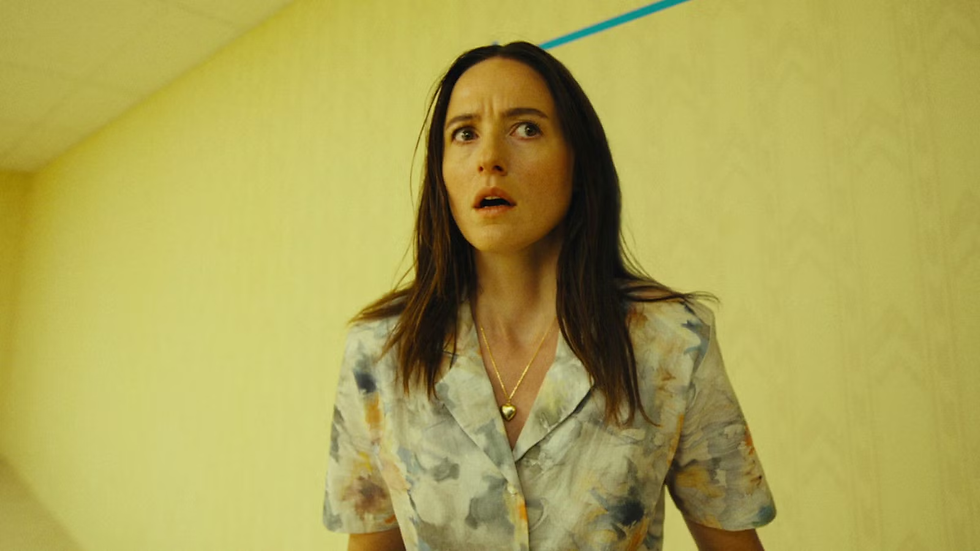
The new version of The Forsytes reflects a shift where classic stories are no longer simply adapted—they are reimagined to align with modern audience expectations. Instead of strict historical accuracy, creators are introducing contemporary aesthetics, stronger emotional arcs, and more prominent romantic storytelling. This approach makes heritage content feel more accessible and relevant to today’s viewers. As a result, legacy narratives are being transformed into visually appealing, emotionally engaging experiences designed to resonate across generations.
Why The Trend Is Emerging: Audiences Want Familiar Stories That Feel Fresh And Emotionally Relevant
The resurgence of adaptations like The Forsytes reflects a shift where audiences are drawn to familiar narratives, but only when they are reinterpreted in ways that feel modern and engaging. Classic stories offer built-in recognition and depth, but without updates, they risk feeling distant or outdated. By enhancing emotional storytelling, visual style, and character perspectives—especially around themes like love, ambition, and agency—these reboots make older narratives more accessible. This allows creators to balance familiarity with novelty, appealing to both existing fans and new audiences.
• Established stories provide a strong foundation, reducing creative risk and increasing audience interest.
• Modern audiences expect higher emotional intensity and character depth, especially in relationships and personal conflict.
• Visual updates, including stylized costumes and production design, make historical settings feel more contemporary.
• There is growing demand for content that blends nostalgia with modern storytelling techniques.
• Streaming and global distribution expose classic stories to new audiences who did not engage with earlier versions.
Virality of Trend (Social Media Coverage):This trend spreads through visual appeal and character-driven storytelling. Clips highlighting dramatic moments, relationships, and aesthetic details circulate widely on platforms like TikTok and Instagram. Comparisons between old and new versions generate discussion and engagement. Fan communities also play a role in amplifying interest, especially when adaptations reinterpret beloved characters or themes.
Where it is seen (in what industries):
Television & Streaming: Classic novels and shows are reimagined with modern storytelling.
Film: Reboots and remakes update legacy stories for new audiences.
Publishing: Classic literature is repackaged and reintroduced.
Fashion: Historical styles are modernized and reinterpreted.
Theater & Performance: Traditional works are staged with contemporary elements.
This trend is accelerating because it balances familiarity with freshness. It matters culturally because it keeps classic narratives relevant across generations. It creates commercial value by leveraging existing intellectual property while attracting new audiences. And it allows creators to reinterpret stories through modern lenses. It also raises expectations, where simple remakes are no longer enough without meaningful updates.
Description Of The Consumers: Modern Nostalgia Audiences Who Want Familiar Stories With Contemporary Depth
The audience driving this trend is not purely nostalgic—they are selective and expect familiar stories to feel updated, relevant, and emotionally engaging. They appreciate the recognition of classic narratives but are equally focused on how those stories are reinterpreted. This creates a hybrid audience that values both tradition and innovation, making them more responsive to adaptations that balance heritage with modern storytelling.
• Modern Nostalgia Viewers are consumers who engage with familiar stories but expect them to be reimagined with contemporary relevance and emotional depth.
• They typically range from 20–50, spanning both those who know the original material and those discovering it for the first time.
• They consume content across streaming platforms and are comfortable engaging with both legacy and new formats.
• They value storytelling that feels emotionally rich, visually appealing, and aligned with current cultural expectations.
• Their emotional driver is connection—revisiting known narratives while experiencing them in a new way.
• They are drawn to content that updates themes such as relationships, identity, and ambition to feel more relatable.
• Their decision-making is influenced by a mix of familiarity, visual appeal, and critical or social buzz.
This audience drives demand for adaptations that go beyond replication and deliver reinterpretation. Their engagement supports long-term relevance for classic content. It also encourages creators to take creative risks while maintaining recognizable elements. And it reinforces a shift where nostalgia alone is not enough—relevance is key.
Main Audience Motivation: Wanting Familiar Stories That Feel Emotionally And Visually New
At the core of this trend is a desire to reconnect with known stories, but in a way that feels fresh and relevant to today. Audiences are not simply revisiting the past—they are looking for reinterpretations that enhance emotional depth, modernize themes, and deliver a more immersive viewing experience. This makes adaptations like The Forsytes appealing not just for recognition, but for how they transform familiar narratives into something new.
• The primary motivation is rediscovery—experiencing known stories in a way that feels updated and engaging.
• A secondary motivation is emotional depth, where modern storytelling enhances relationships, conflict, and character development.
• There is a tension between authenticity and modernization, where audiences want updates without losing the essence of the original.
• This leads to selective engagement, where only adaptations that feel meaningful and well-executed gain traction.
• Watching these reinterpretations also signals cultural awareness and appreciation for both past and present storytelling.
In simple terms, audiences want the comfort of familiarity with the excitement of novelty. This shift increases the importance of creative reinterpretation rather than replication. It also means that successful adaptations must balance respect for the original with modern expectations. And it reinforces that relevance, not just recognition, drives engagement.
Trends 2026: The Evolution Of Legacy Content Into Modern, Emotion-Led Visual Experiences
Legacy content is being transformed into visually rich, emotionally driven experiences designed for modern audiences. The success of adaptations like The Forsytes shows that classic narratives can be revitalized through updated aesthetics, stronger character arcs, and more prominent emotional storytelling. This reflects a broader shift where the value of intellectual property lies not just in its recognition, but in its ability to be reinterpreted for contemporary relevance.
• What is influencing the shift:Studios are leveraging existing intellectual property to reduce risk while updating storytelling to meet current audience expectations around emotion and visual quality. At the same time, competition for attention is pushing creators to make familiar stories feel new.
• Macro trends influencing the shift:Nostalgia cycles, streaming platform competition, and global audience reach are driving demand for recognizable yet refreshed content. Cultural shifts around representation and emotional storytelling are also shaping how adaptations are produced.
• Is it bringing novelty or innovation to consumers?Yes—by blending classic narratives with modern storytelling techniques, these adaptations create experiences that feel both familiar and new.
• Can it create meaningful competitive differentiation?Yes—well-executed reinterpretations can stand out in crowded content libraries by offering both recognition and freshness.
• How can brands operationalize this shift in daily business?By investing in strong creative direction, updating storytelling frameworks, and aligning visual and narrative elements with modern expectations.
Trend Table: From Classic Adaptation To Modern Reinvention — How Legacy Content Evolves
Trend Name | Description (Insight-Led Explanation) | Strategic Implications |
Main Trend — “Reimagined Heritage Content” | Classic stories are updated with modern storytelling and visuals. | Extends relevance and audience reach |
Social Trend — “Nostalgia With A Twist” | Familiar content is shared and discussed through a modern lens. | Drives engagement and conversation |
Industry Trend — “IP-Led Content Strategy” | Studios rely on known intellectual property for new productions. | Reduces risk and increases appeal |
Main Strategy — “Modernized Storytelling Frameworks” | Emotional depth and visual updates redefine classic narratives. | Enhances audience connection |
Main Consumer Motivation — “Familiarity With Novelty” | Audiences seek both recognition and freshness. | Increases engagement and retention |
Related Trend 1 — “Visual Modernization” | Updated aesthetics make historical settings feel contemporary. | Broadens appeal |
Related Trend 2 — “Character-Centric Narratives” | Greater focus on emotional and personal stories. | Deepens engagement |
Related Trend 3 — “Cross-Generational Content” | Content appeals to both existing fans and new audiences. | Expands market reach |
These trends matter because they redefine how legacy content creates value. Together, they shift focus from preservation to reinvention. The opportunity lies in balancing authenticity with innovation. And the creators who master this balance will sustain relevance across generations. It also signals that future content strategies will increasingly rely on reinterpretation rather than original creation alone.
Final Insights: The Future Of Content Lies In Reinterpreting The Familiar, Not Just Creating The New
We are seeing a shift where the most effective content is not always entirely original, but intelligently reimagined. Adaptations like The Forsytes show that familiar stories can gain new life when updated to reflect modern expectations around emotion, aesthetics, and relevance. This reframes content strategy from constant creation to thoughtful reinterpretation.
Insights The strongest content today blends familiarity with innovation, using known narratives as a foundation while enhancing them with modern storytelling and visual appeal to create renewed relevance.Industry Insight Media companies are increasingly prioritizing intellectual property that can be reimagined and extended, shifting investment toward adaptable, long-term content assets.Consumer Insight Audiences are drawn to content that feels both recognizable and fresh, valuing reinterpretation over repetition.Social Insight Reimagined content generates discussion and comparison, increasing engagement through both nostalgia and novelty.Cultural/Brand Insight Brands and creators that successfully modernize legacy stories can build lasting cultural relevance and cross-generational appeal.
This shift highlights that originality is being redefined through reinterpretation. It reinforces the importance of balancing past and present in storytelling. It also creates opportunities to extend the value of existing content. And ultimately, it will shape how future entertainment is developed and consumed.
Innovation Platforms: Turning Legacy Content Into Scalable, Modern Content Systems
• IP Reinvention StudiosStudios build dedicated teams focused on reimagining existing intellectual property, combining original narratives with modern storytelling techniques. This requires strong creative direction and audience insight but allows brands to extract long-term value from known content while reducing development risk.
• Aesthetic Modernization FrameworksProduction design, costume, and cinematography are updated to feel contemporary while maintaining historical context. This approach increases accessibility for modern audiences and enhances visual appeal across platforms.
• Character-Depth Enhancement ModelsWriters expand emotional arcs, relationships, and motivations to align with current audience expectations. This creates deeper engagement and allows classic characters to feel more relatable and complex.
• Cross-Platform Content ExtensionsAdaptations are supported by additional content such as behind-the-scenes footage, social media storytelling, and character-focused clips. This extends engagement and keeps audiences connected beyond the main series.
• Multi-Season Narrative PlanningLegacy content is developed with long-term storytelling in mind, allowing narratives to evolve across multiple seasons. This maximizes audience retention and increases the lifetime value of the content.
These innovation platforms allow creators to transform legacy content into scalable, long-term assets. They increase engagement by aligning storytelling with modern expectations. They also reduce risk by leveraging familiar narratives. And ultimately, they position content as a continuously evolving experience rather than a one-time release.
Cross-Industry Expansion: From Reimagined TV To The Rise Of “Reinterpretation Economies”
The “Reinterpretation Economy”: Creating New Value By Updating What Already Exists
The shift seen in reimagined TV adaptations reflects a broader trend where value is increasingly created by reinterpreting existing ideas, products, and experiences. This expands beyond entertainment into a model where brands update, remix, and modernize what already exists rather than creating entirely new concepts. Instead of focusing solely on innovation, the emphasis is on relevance—making the familiar feel new again.
• What is the trend: Existing products, ideas, and content are updated and reinterpreted to align with current tastes and expectations.This shifts value creation from invention to reinvention.
• How it appeared: It began with media adaptations and remakes, then expanded as brands realized the potential of updating existing assets.As audiences responded to familiarity combined with novelty, the model spread across industries.
• Why it is trending: Consumers are drawn to recognizable formats but expect them to evolve.At the same time, businesses are seeking lower-risk ways to innovate and grow.
• What is the motivation: People want the comfort of familiarity combined with the excitement of something new.This creates a balance between nostalgia and novelty.
• Industries impacted:
Media & Entertainment: Reboots and adaptations dominate content strategies.
Fashion: Vintage styles are reinterpreted for modern audiences.
Technology: Existing products are updated and repositioned rather than replaced.
Automotive: Classic designs are revived with modern features.
Retail: Products are refreshed through new storytelling and presentation.
These industries benefit from extending the value of existing assets.
• How to benefit from the trend:
Identify existing assets with strong recognition
Update them to align with current preferences
Enhance storytelling and design
Balance familiarity with innovation
This increases relevance and reduces risk.
• What strategy should be to benefit:
Shift from creation-only to reinvention-focused strategies
Invest in understanding cultural shifts and audience expectations
Align updates with brand identity and positioning
Build systems for continuous reinterpretation
This ensures long-term adaptability and growth.
• Who are the consumers targeted:
Nostalgia-aware but forward-looking audiences
Typically 20–50, spanning multiple generations
Appreciate familiarity but expect evolution
Motivated by both comfort and novelty
These consumers value relevance over pure originality.
The Reinterpretation Economy builds directly on the main trend of reimagined heritage content by applying its logic across industries. It shows that innovation can come from updating what already exists rather than creating something entirely new. This makes the model highly scalable and adaptable. It also creates commercial value by leveraging recognition while delivering freshness. And looking ahead, brands that master reinterpretation will be better positioned to stay relevant in fast-changing markets.

7j777 showed up in a comment chain, so I poked around out of curiosity just to see how the pages are set up. I’m not even trying to dive into the content, but the layout was easy on the eyes right away. The main menu is where you’d expect it to be, so I wasn’t clicking in circles trying to find stuff. What I appreciated most is how the page breaks things into clean sections instead of throwing everything into one long messy wall. It makes it way easier to skim for a minute and bounce without feeling lost. Even with a decent amount on the screen, the spacing and alignment keep it from looking cluttered, and the content boxes…
hm88 dạo này thấy nhiều người nhắc nên mình cũng bấm vào coi thử cho biết. Cảm giác đầu tiên là trang nhìn khá “gọn mắt”, kiểu chia thành từng khối nội dung nên kéo xuống không bị lạc, đọc lướt vẫn hiểu đang ở mục nào. Mình có nghía qua phần Câu hỏi thường gặp thì thấy họ viết dễ hiểu, không vòng vo: có nói chuyện đôi lúc vào bị chặn do nhà mạng, rồi bảo sẽ cập nhật link dự phòng để đỡ gián đoạn. Mình không test kỹ nên chưa dám khẳng định gì, nhưng ít nhất cách họ đặt FAQ rõ ràng làm mình đỡ phải đi tìm thông tin lung tung. Nói chung chỉ…
UU88 mình mới ghé thử hôm qua do thấy mấy đứa bạn bàn tán, chủ yếu xem giao diện có rối không. Vừa vào là thấy tông màu nhìn khá dịu, kiểu ngồi lướt một lúc mà mắt không bị mỏi. Mình không mò sâu, nhưng cách họ chia khối nội dung nhìn “ngăn nắp”, nên tìm chỗ đăng nhập hay chuyển qua sảnh cũng nhanh, không phải đoán mò. Có đoạn giới thiệu về giấy phép độ hợp pháp đặt khá dễ thấy, đọc lướt là hiểu họ muốn người dùng yên tâm hơn. Nói chung cảm giác bấm qua lại ổn, bố cục trực quan nên không bị lạc, nhất là phần menu và các mục được xếp…
32WIN COM hôm bữa mình lướt thử vì thấy mấy người nói, chủ yếu tò mò giao diện thôi chứ không có ngồi nghiên cứu gì sâu. Vào trang cái là thấy bố cục khá “thoáng”, kéo xuống không bị rối, kiểu chia khối nội dung nhìn phát hiểu ngay đang ở phần nào. Mình để ý có đoạn giới thiệu tổng quan về thương hiệu, rồi họ ghi thông tin pháp lý khá rõ: năm thành lập 2016 với trụ sở ở Manila, Philippines, nhìn là nắm được liền. Cái mình thích là họ trình bày mấy thông tin này theo dạng bảng khung nhỏ, chữ vừa phải nên đọc nhanh không mệt mắt. Menu cũng đặt dễ thấy…
https://qq88pro.vip/ hôm trước mình lướt web thấy bạn share nên bấm vào coi thử cho biết, kiểu tò mò giao diện thôi chứ không định làm gì nhiều. Vào cái là thấy trang làm khá sáng sủa, chữ nghĩa rõ ràng, kéo xuống không bị rối mắt. Mình thích nhất là họ chia nội dung theo từng khối nhìn gọn, nên đọc lướt cũng nắm được ý chính nhanh. Có đoạn soi kèo bóng đá trình bày theo kiểu dữ liệu/bảng nên nhìn phát hiểu luôn, đỡ phải ngồi đọc dài dòng. Menu để ngay chỗ dễ thấy nên chuyển qua lại cũng mượt, không phải mò mẫm. Nói chung cảm giác site này ưu tiên người mới vào xem…