
Restaurants: Viral Victory: BiteSight's TikTok Triumph and the Future of Food Discovery
- InsightTrendsWorld

- Jul 25, 2025
- 16 min read
Why It's the Topic Trending: Authentic Virality Meets Underserved Consumer Needs
Authentic, Relatable Content: The initial viral video leveraged a popular internet trend of friends/family aggressively introducing a pitch, which resonated due to its humor and relatability. This organic, non-commercial feel built immediate trust.
"Behind-the-Scenes" Transparency: When BiteSight experienced issues due to the sudden user surge, CEO Lucious McDaniel's subsequent TikToks detailing the chaos and the team's efforts to fix it also went viral. This "authenticity" of showing the unvarnished reality of a startup's growth deeply connected with audiences.
Solving a Real Consumer Problem: The app directly addresses a common frustration among young people: the difficulty of discovering new, appealing restaurants on existing food delivery platforms that rely on generic photos and undifferentiated ratings.
Leveraging Gen Z's Discovery Habits: BiteSight is built specifically for how young people (and increasingly others) discover content and make decisions—through short-form video and recommendations from friends, rather than static menus.
Proof of Concept: The app's rapid ascent to No. 2 in the App Store's Food and Beverage category, surpassing giants like Uber Eats and McDonald's, provided undeniable proof of concept and market demand.
Low-Cost, High-Impact Marketing: The success demonstrates TikTok's power as a viral marketing tool, allowing a startup with limited resources to achieve massive reach and user acquisition without traditional advertising spend.
Overview: From Viral TikTok to App Store Sensation, BiteSight Redefines Food Delivery
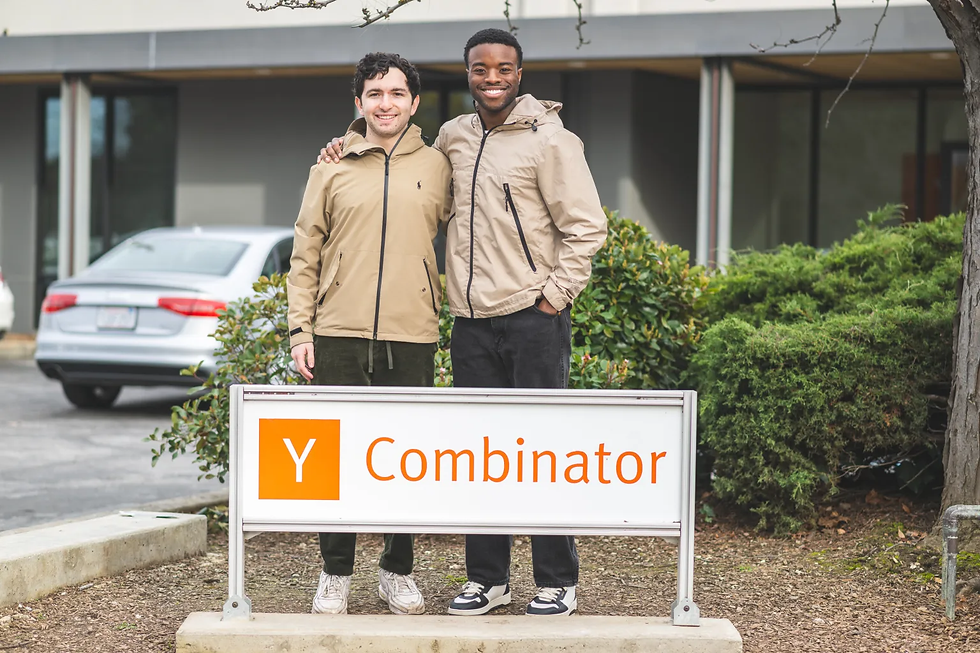
BiteSight, a food-delivery app founded by Lucious McDaniel IV and Zac Schulwolf, has achieved meteoric success by ingeniously leveraging TikTok's viral power. The app allows users to discover restaurants through short-form food videos and friend recommendations, directly addressing a common pain point with traditional delivery apps' static menus. A "pitch" video featuring McDaniel and his sister rapidly went viral, leading to an explosion in users and, ironically, subsequent videos detailing the app's growing pains, which further resonated due to their authenticity. This organic virality propelled BiteSight to the No. 2 spot in the App Store's Food and Beverage category, demonstrating the immense demand for a food discovery experience tailored to how younger generations engage with content. The company, backed by Y Combinator, plans to use AI to keep overhead low, aiming to compete with industry giants by focusing purely on a video-centric food experience.
Detailed Findings: The BiteSight Blueprint for Success
Founders: Lucious McDaniel IV (CEO) and Zac Schulwolf (CTO). McDaniel previously worked in restaurant technology at General Atlantic, founded a payments company (Phly), and angel invested in fintech.
App Concept: BiteSight allows users to watch videos of food before ordering, see friends' orders, and bookmark places. It's designed to mirror how young people discover food through short-form video and social recommendations.
Viral Marketing Strategy:
Initial Video: McDaniel's sister made a TikTok using a popular trend (aggressive intro, then pitch), which went viral (almost 4 million likes on TikTok, 250k on Instagram).
Authenticity Videos: McDaniel followed up with TikToks detailing the app's "chaos" and engineering efforts during the user surge, which also went viral due to their authenticity.
Impact of Virality:
App Store Rank: Briefly became No. 2 in the App Store's Food and Beverage category, surpassing Uber Eats, Starbucks, and McDonald's.
User Acquisition: Gained over 100,000 new users.
Geographic Demand: Received messages from users in other cities requesting nationwide release, though currently only in New York.
Business Partnerships: Small family-owned restaurants and chain restaurants reached out for partnerships.
Investor Interest: Experienced a "surge of investor interest."
Company Background:
Spent over a year building the app.
Participated in Y Combinator's Winter 2024 cohort.
Limited beta around NYU in April.
Early version launched mid-May with social media marketing, followed by viral video in June.
Competitive Advantage:
AI Leverage: McDaniel believes being an AI-native startup allows them to perform work 10x more efficiently with less overhead, potentially passing savings to businesses and customers.
Focused Niche: Unlike competitors like DoorDash and Uber Eats that diversify into other categories, BiteSight focuses solely on food and video.
Consumer Problem Addressed: McDaniel, 24, realized he was stuck ordering from the same few places due to generic stock photos and undifferentiated ratings on existing apps, inspiring the idea.
Key Success Factors of Product (Trend): Authenticity, User-Centric Design, and Strategic Virality
Authentic Content Creation: Leveraging pre-existing internet trends and showcasing genuine startup struggles resonated deeply with audiences, fostering trust and relatability.
Solving a Specific User Pain Point: Directly addressing the frustration of food discovery on existing apps by mirroring modern content consumption habits.
Video-First Approach: Capitalizing on the dominant short-form video format for content consumption and discovery, particularly among younger demographics.
Social Recommendation Integration: Allowing users to see what friends order adds a powerful layer of trusted recommendations, critical for food discovery.
Agile Response to Growth: The ability of the engineering team to work around the clock to address scaling issues, coupled with transparent communication about it, maintained user trust during rapid growth.
Strategic Use of Platform Features: Understanding how TikTok's algorithm and community respond to specific content types to maximize viral potential.
Key Takeaway: The Future of Consumer Engagement is Authentic, Video-Driven, and Highly Social
BiteSight's meteoric rise demonstrates that truly understanding modern consumer behavior—especially the preference for short-form video and trusted social recommendations—and embracing raw authenticity in communication are now paramount for achieving explosive growth, even for startups challenging established industry giants.
Main Trend: The Social-Video Transformation of Commerce and Discovery
The main trend is the "Social-Video Transformation of Commerce and Discovery," where consumer purchasing decisions and product/service discovery are increasingly driven by authentic, short-form video content and direct social recommendations on platforms like TikTok and Instagram Reels.
Description of the Trend: The "Visual Recommendation Economy"
This trend, which can be named the "Visual Recommendation Economy," signifies a fundamental shift in how consumers, particularly younger generations, discover and decide on products and services. It moves away from traditional advertising and static product listings towards a dynamic ecosystem where short-form, user-generated videos and peer-to-peer recommendations serve as primary drivers of engagement and purchasing intent. In this economy, authenticity, relatability, and genuine demonstrations of a product's utility or experience are highly valued. Businesses, from startups to established players, are learning to leverage the viral potential of platforms like TikTok by creating or inspiring content that feels organic, often showcasing behind-the-scenes realities, and directly addressing unmet consumer needs in a visually compelling way. This trend blurs the lines between entertainment, social interaction, and commerce, creating a highly influential and rapidly evolving marketplace.
What is Consumer Motivation: Trust, Discovery, and FOMO
Authenticity and Trust: Consumers, especially Gen Z, distrust traditional ads and stock photos; they seek genuine, unvarnished content from peers or relatable creators to build trust.
Efficient Discovery: Short-form videos provide a quick, engaging, and often more informative way to discover new products, services, or experiences compared to static images or text.
Social Validation and Peer Influence: Seeing what friends or trusted social circles are using or enjoying provides strong validation and encourages adoption ("if my friend likes it, I might too").
Addressing Pain Points: A desire for solutions that directly address frustrations with existing services (e.g., poor food discovery on traditional delivery apps).
Fear of Missing Out (FOMO): The viral nature of these trends creates a strong urge to participate or try something new that everyone else is talking about.
Entertainment and Engagement: The content itself is entertaining and addictive, making the discovery process enjoyable rather than a chore.
What is Motivation Beyond the Trend: Algorithmic Power and Business Efficiency
Platform Algorithm Amplification: TikTok and Instagram Reels algorithms are designed to amplify engaging, short-form video content, creating a powerful organic marketing channel for businesses.
Low-Cost User Acquisition: For startups, viral TikTok marketing offers an incredibly cost-effective way to acquire a massive user base compared to traditional paid advertising channels.
Direct-to-Consumer Connection: Social video platforms allow brands to establish direct, authentic connections with their target audience, bypassing traditional media gatekeepers.
Feedback Loop and Agility: The rapid feedback cycle on social media allows companies to quickly gauge market reception, address issues transparently, and iterate product development.
Competitive Differentiation: Leveraging these platforms effectively offers a strong competitive advantage against larger, slower-moving incumbents who may not adapt as quickly to new marketing paradigms.
Future of Work (AI Efficiency): The ability to use AI tools for backend operations (as mentioned by BiteSight) significantly reduces overhead, making it feasible for startups to compete with well-funded giants.
Descriptions of Consumers: The Digitally Native, Socially Influenced Decision-Makers
Consumer Summary: The consumers at the heart of BiteSight's success are digitally native, highly social individuals who rely heavily on visual content and peer recommendations for making daily decisions, especially around discovery. They are active users of short-form video platforms, value authenticity and transparency from brands, and are quick to adopt solutions that genuinely address their pain points. They are comfortable with technology, open to new apps, and are influential within their digital communities.
Who are them: Primarily Gen Z and younger Millennials (roughly 18-30s), who are fluent in digital culture and rely heavily on social media for information and entertainment. They are early adopters of new apps and services.
What kind of products they like: Products/services that are tech-forward, highly visual, user-friendly, and integrate seamlessly with their social lives. They prefer services that offer convenience, personalization, and a sense of community.
What is their age?: Lucious McDaniel (24) and Zac Schulwolf (25) are key examples, indicating a target demographic of young adults, typically college students or recent graduates.
What is their gender?: The article does not specify, but given the widespread use of TikTok and food delivery apps across genders, it's likely both male and female users, with perhaps a slight lean towards demographics that are heavy users of social media for lifestyle content.
What is their income?: The focus on "eating too much takeout" and living near NYU suggests an income level that allows for regular food delivery, likely middle to upper-middle class, or students with disposable income.
What is their lifestyle: Urban, digitally immersed, socially active, and convenience-oriented. They spend significant time on social media, especially short-form video platforms. They enjoy dining out and trying new foods, but also rely on delivery services. They might be early adopters of technology and trends.
What are their shopping preferences in the category article is referring to: They prioritize visual appeal (seeing the food in video), trusted recommendations (from friends/influencers), and ease of discovery over just price or brand recognition. They are likely frequent users of food delivery apps but are frustrated by the current discovery experience.
Are they low, occasional or frequent category shoppers: Frequent users of food delivery apps. They are part of the demographic that consumes "too much takeout."
What are their general shopping preferences-how they shop products, shopping motivations): They are heavily influenced by social media. They research online, seek peer reviews, and value authenticity and a seamless digital experience. Convenience, personalization, and a sense of belonging or being "in the know" are strong motivations.
Conclusions: Authenticity and Hyper-Relevance Define the New Growth Playbook
BiteSight's explosive growth is a potent case study for any brand seeking to thrive in today's digital landscape: the old rules of marketing are dead. Instead, hyper-relevance to a generation's unique content consumption habits, coupled with an unwavering commitment to authenticity—even in moments of crisis—can create unparalleled virality and user acquisition. This success underscores that truly understanding and serving a specific consumer pain point through native platform experiences, rather than just broadcasting messages, is the new playbook for achieving breakout success and challenging established giants.
Implications for Brands: Embrace the Raw, The Real, and The Relatable
Invest in Native Social Video Content: Brands must move beyond repurposing traditional ads for social media and instead create content specifically designed for platforms like TikTok and Reels, prioritizing authenticity, humor, and organic engagement over polished perfection.
Encourage User-Generated Content (UGC): Create opportunities and incentives for consumers to create and share their own content featuring your products/services, as UGC is highly trusted and drives virality.
Embrace Transparency, Even in Crisis: Be open and authentic about challenges or issues. Consumers respond positively to honesty and seeing the human side of a brand, turning potential negatives into engagement opportunities.
Solve Specific, Underserved Pain Points: Instead of trying to be everything to everyone, focus on identifying and elegantly solving a niche but significant problem for a targeted demographic.
Leverage AI for Efficiency, Not Just Scale: Explore how AI tools can reduce operational overhead and infrastructure costs, allowing for greater agility and resource allocation towards innovation and customer experience.
Prioritize Social Recommendation Features: For apps and services, integrate features that facilitate easy sharing and recommendations among users, tapping into the powerful network effect of peer influence.
Implication for Society: The Democratization of Entrepreneurship and Marketing
Lowered Barriers to Entry: Social media platforms democratize access to massive audiences, enabling small startups and individual entrepreneurs to compete with large corporations for attention and market share without huge marketing budgets.
Increased Authenticity in Commercial Content: The success of authentic, unpolished content pushes back against the dominance of highly produced, often artificial, advertising, leading to more genuine brand-consumer interactions.
Faster Trend Cycles: The rapid spread of information and content via viral videos accelerates trend cycles, requiring businesses and consumers to adapt more quickly to emerging phenomena.
New Forms of Work and Entrepreneurship: Highlights new pathways for individuals to launch and grow businesses by leveraging their personal brands and creativity on social platforms.
Implications for Consumers: Empowered Discovery and Authentic Brand Relationships
More Engaging Discovery: Consumers benefit from more entertaining and engaging ways to discover new products and services, moving beyond traditional, often boring, advertisements.
Increased Trust in Brands: The emphasis on authenticity and transparency from brands fosters greater trust, allowing consumers to feel more connected to the companies they support.
Personalized Experiences: Apps designed around individual content consumption habits and social connections offer more relevant and personalized experiences.
Direct Access and Influence: Consumers gain a more direct line of communication with brands, allowing them to provide feedback, see behind-the-scenes, and feel more heard.
Summary of Trends:
Core Consumer Trend: The Visual-Social Discovery Mandate
Detailed Description: Consumers, particularly younger generations, increasingly demand to discover products and services through short-form video content and direct recommendations from their social networks, valuing visual authenticity over traditional static information.
Core Consumer Sub Trend: Authenticity Over Perfection
Detailed Description: A strong consumer preference for genuine, unpolished, and even "behind-the-scenes" content from brands and individuals, valuing transparency and relatability over highly curated or idealized portrayals.
Core Social Trend: The Viral Marketing Ecosystem
Detailed Description: Social media platforms, especially TikTok and Instagram Reels, have evolved into self-sustaining viral marketing ecosystems where organic content can achieve exponential reach and drive massive user acquisition at low cost.
Social Drive: Peer Influence as Primary Conversion Driver
Detailed Description: The powerful social drive where recommendations and behaviors of friends and trusted peers exert significantly more influence on consumer decisions than traditional advertising, especially for lifestyle products and services.
Core Trend: The Platform-Native Innovation Imperative
Detailed Description: The overarching trend where successful new products and services are designed specifically to integrate seamlessly with, and leverage the unique mechanics of, dominant social media platforms, rather than simply adapting existing concepts.
Core Strategy: Agile, AI-Driven Competitive Disruption
Detailed Description: A strategic approach for startups to leverage advanced AI tools to minimize operational overhead and infrastructure costs, enabling them to rapidly scale and compete effectively against well-funded incumbents with significantly fewer human resources.
Core Industry Trend: The "Experience Economy" for Everyday Services
Detailed Description: Industries providing everyday services (like food delivery) are shifting from merely transactional models to offering rich, engaging, and personalized "experiences" that cater to modern consumer discovery and interaction preferences.
Core Consumer Motivation: Efficient & Trustworthy Discovery
Detailed Description: Consumers are primarily motivated by the desire to efficiently discover new, high-quality options in a trustworthy manner, relying on visual cues and social proof to make informed decisions and avoid "discovery fatigue."
Strategic Recommendations for Brands to Follow in 2025: Embrace the New Viral Playbook
Develop a Dedicated TikTok/Reels Strategy Team: Establish or empower a dedicated internal team (or external agency) with deep expertise in creating native, viral-ready content specifically for short-form video platforms, focusing on authenticity over high production value.
Pilot "Founder-Led" Organic Marketing: Encourage company founders or key team members to participate in creating raw, relatable content (like behind-the-scenes, challenges, or personal stories) to build genuine connections and leverage their unique voices.
Integrate Social Discovery Features into Product Design: For apps and digital services, build in functionalities that naturally encourage user-generated video reviews, friend recommendations, and social sharing directly within the platform.
Leverage AI for Operational Efficiency, Not Just Customer-Facing AI: Implement AI tools in backend operations (e.g., customer support, logistics, engineering) to reduce overhead and allow more resources to be dedicated to product innovation and authentic content creation.
Prioritize Niche Pain Point Solutions: Focus on deeply understanding and elegantly solving specific, underserved consumer frustrations, as these targeted solutions are more likely to generate passionate word-of-mouth and viral adoption.
Budget for Crisis Communication Transparency: Prepare a strategy for transparently communicating and addressing challenges or setbacks on social media, turning potential negatives into opportunities for building trust and authenticity.
Final Conclusion: The New Age of Growth is Authentic, Agile, and Algorithm-Powered
BiteSight's rocket-like ascent serves as a definitive roadmap for modern brand growth: the era of mass-market advertising is giving way to the age of authentic, agile, and algorithm-powered engagement. Success now hinges not on the biggest marketing budget, but on the deepest understanding of consumer behavior, the willingness to embrace raw authenticity, and the strategic deployment of native content on the platforms where audiences live. For any brand, from startup to incumbent, the message is clear: the future of discovery and conversion is visual, social, and inherently human, demanding a complete rethinking of what truly drives connection and, ultimately, market domination.
Core Trend Detailed: The Hyper-Personalized, Algorithmic-Driven Discovery Funnel
The core trend is the emergence of a hyper-personalized, algorithmic-driven discovery funnel, particularly prevalent among Gen Z and younger Millennials, which fundamentally reshapes how consumers find and engage with products and services. This funnel is characterized by a reliance on short-form video content (e.g., TikTok, Reels) and organic, peer-to-peer recommendations as primary sources of information and inspiration, largely superseding traditional advertising and static search. Algorithms play a crucial role in curating and amplifying this content, creating highly tailored feeds that match individual interests and past behaviors. This trend emphasizes visual appeal, authentic storytelling, and immediate relevance, transforming the discovery process from a deliberate search into an entertaining, almost serendipitous, stream of personalized recommendations. It pushes brands to produce content that feels less like marketing and more like genuine peer advice or captivating entertainment, leveraging the inherent virality of the platforms.
Key Characteristics of the Core Trend: Instantaneous, Authentic, and Influential
Instantaneous Consumption: Information is delivered in short, digestible video snippets, catering to diminishing attention spans and a desire for quick gratification.
Authenticity over Polish: Raw, unedited, and "real" content often performs better than highly produced, commercial-looking advertisements, fostering greater trust.
Peer-Driven Validation: Recommendations from friends, family, or relatable micro-influencers carry significantly more weight than traditional brand messaging.
Algorithmic Amplification: Sophisticated platform algorithms efficiently match content with interested users, creating rapid and widespread virality for compelling videos.
Interactive & Participatory: The nature of these platforms encourages comments, shares, duets, and challenges, turning passive viewing into active engagement and co-creation.
Visual Storytelling Dominance: Products and services are best communicated through dynamic visuals and compelling narratives rather than static images or text descriptions.
Market and Cultural Signals Supporting the Trend: Digital Natives, Content Overload, and Declining Trust
Gen Z and Millennial Digital Fluency: These demographics have grown up with social media and short-form video, instinctively using these platforms for all forms of discovery.
Information Overload: In an era of overwhelming digital information, consumers seek efficient and engaging ways to filter and discover relevant content, making short-form video ideal.
Decline in Trust in Traditional Advertising: Growing consumer skepticism towards overt marketing claims drives a preference for authentic, peer-generated content.
Rise of the Creator Economy: The proliferation of individual content creators and influencers, who often act as trusted sources of information and recommendations, reinforces this discovery model.
Technological Accessibility: Widespread smartphone ownership and easy-to-use video editing tools empower anyone to create and share high-quality content.
Shift from "Push" to "Pull" Marketing: Consumers are actively "pulling" information from their social feeds based on their interests, rather than passively receiving "pushed" advertisements.
How the Trend Is Changing Consumer Behavior: From Search to Streamlined Discovery
This trend is fundamentally altering consumer behavior by shifting the primary mode of discovery from active search to a more passive, yet highly personalized, streamlined stream. Instead of deliberately typing keywords into a search engine or Browse extensive menus, consumers now rely on their curated social feeds to present them with relevant and engaging options for products, services, and experiences. This fosters a more impulsive and emotionally driven purchasing process, as captivating video content and peer recommendations create immediate desire. It also cultivates a "show me, don't tell me" mentality, where visual proof and authentic user experiences are far more persuasive than mere descriptions. Consumers are becoming more prone to "serendipitous" discoveries, where they stumble upon new favorites through algorithmic recommendations, rather than methodical research.
Implications Across the Ecosystem (For Brands and CPGs, For Retailers, For Consumers): The Imperative of Digital Authenticity
For Brands and CPGs:
Content Creation Shift: Must invest heavily in producing authentic, short-form video content that resonates organically with specific platform algorithms and user communities.
Creator Partnerships: Strategic collaborations with a diverse range of content creators (micro, nano-influencers) become essential for reaching niche audiences and building trust.
Agile Marketing: Requires extremely agile marketing teams capable of reacting to and participating in rapidly evolving social trends in real-time.
For Retailers:
In-App Shopping Integration: Need to integrate social commerce features directly into their mobile apps and websites, allowing seamless transition from video discovery to purchase.
Visual Merchandising Reinvented: Physical and online visual merchandising must be heavily influenced by trending social media aesthetics and user-generated content.
"Experiential" Retail: Consider creating in-store experiences that are highly shareable on social media, driving organic content and brand visibility.
For Consumers:
Enriched Discovery: Benefit from a more entertaining, personalized, and efficient way to discover new products, services, and experiences.
Greater Brand Transparency: Gain access to more authentic, less polished content, fostering greater trust in the brands they choose to engage with.
Increased Impulse Purchases: The highly engaging and persuasive nature of video-driven social commerce can lead to more spontaneous purchasing decisions.
Strategic Forecast: The Algorithmic Curator and Experiential Commerce (2025-2030)
By 2030, the discovery funnel will be almost entirely dominated by highly sophisticated AI-driven algorithms that act as hyper-personalized curators, seamlessly blending entertainment, social interaction, and commerce. Traditional search engines will likely recede further into the background for discovery, becoming tools for validation rather than initial exploration. Brands will primarily operate within "experiential commerce" models, where products are sold through immersive, interactive video content, AR/VR try-ons, and live shopping events that feel more like entertainment than traditional retail. The line between user-generated content and brand-created content will be virtually indistinguishable, demanding extreme authenticity and agility from all market players. Direct-to-consumer models enabled by social platforms will continue to flourish, bypassing traditional retail channels for many categories.
Areas of Innovation (Implied by Article): Seamless Discovery-to-Purchase Ecosystems
AI-Powered Video Recommendation Engines (Next-Gen):
Development of even more intelligent AI that not only predicts user preferences but also proactively suggests new, relevant products/services based on nuanced visual cues and social network activity within video content.
Integrated In-Video Purchasing & Transaction Models:
Innovation in platform technology that allows for frictionless purchasing directly within a short-form video, without leaving the content stream or requiring multiple clicks (e.g., one-tap buys on food visuals).
Augmented Reality (AR) Try-On & Pre-Visualization:
Creation of advanced AR filters or tools that let users virtually "experience" a product (e.g., seeing how a meal looks on their plate, trying on virtual clothing) before ordering, enhancing the visual discovery process.
"Authenticity-as-a-Service" Platforms:
Emergence of platforms or agencies specializing in helping brands create and manage highly authentic, raw, and viral-ready content, or connect them with micro-influencers who genuinely resonate with target audiences.
Scalable Backend Infrastructure for Viral Spikes:
Development of cloud-native, AI-optimized backend systems that can automatically scale to handle massive, unpredictable traffic surges from viral events, ensuring app stability and positive user experience.
Final Thought: The Age of the Unfiltered Digital Storyteller
BiteSight's explosive ascent is a potent signal of a fundamental shift in how businesses grow and consumers discover. The days of polished, top-down advertising are fading, replaced by a dynamic landscape where raw authenticity, compelling visual storytelling, and genuine connection with a digitally native audience are the true currencies of success. Brands that embrace this unfiltered, agile, and algorithm-powered approach to engagement will not just participate in the future of commerce—they will define it, captivating consumers not with ads, but with truly relevant, honest, and engaging digital experiences.


Comments