


Retro Stripe Revival: Nostalgic Patterns Becoming Modern Fashion Optimism
- InsightTrendsWorld

- Jun 6
- 12 min read
Vintage Sporting Stripes Are Bringing Personality Back To Everyday Style
Retro fashion revival, nostalgic sportswear, expressive pattern dressing
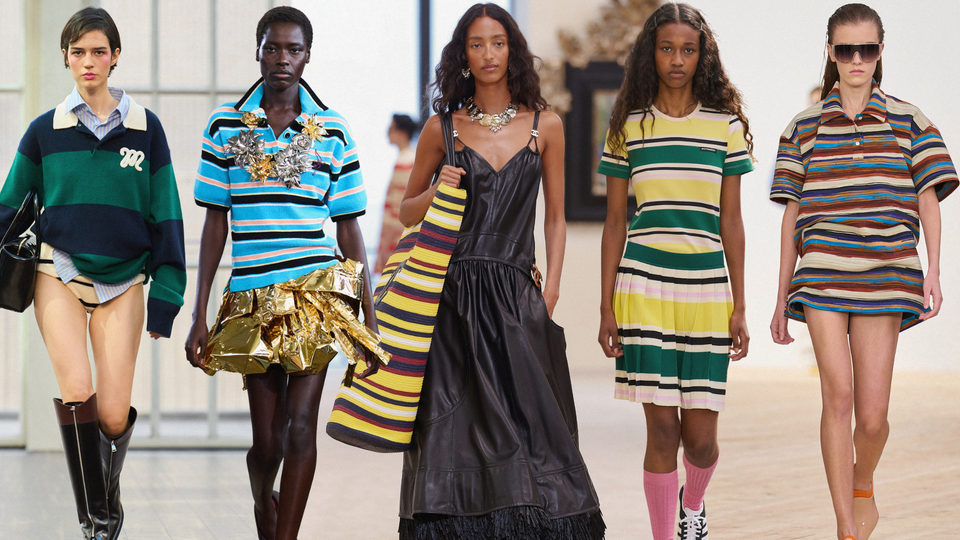
Fashion culture is increasingly shifting away from quiet minimalism and understated basics toward more expressive, personality-driven, and nostalgic visual identities. The resurgence of retro stripes reflects this transformation by bringing colorful vintage-inspired patterns back into mainstream wardrobes through knitwear, dresses, shirts, accessories, and casual separates.
Rather than functioning as simple decorative patterns, stripes are increasingly becoming emotional symbols of optimism, playfulness, and heritage-inspired style. Retro stripe revival increasingly represents nostalgia-driven fashion, personality dressing, and mood-enhancing visual expression. Stripes no longer function as classic wardrobe staples alone — they increasingly function as wearable optimism and identity-signaling tools.
At the same time, growing consumer interest in retro aesthetics, vintage sportswear influences, and colorful self-expression continues accelerating demand for bold striped fashion. Across fashion and design, stripes are returning as consumers move beyond years of muted palettes and minimalist styling toward brighter and more emotionally engaging visual identities.
Trend Overview: Retro Stripes Turning Nostalgia Into Everyday Fashion
What is happening — Colorful retro stripes are increasingly appearing across dresses, knitwear, rugby shirts, beachwear, and accessories as consumers embrace nostalgic and expressive styling.
➡️ implication: Fashion increasingly rewards visual personality over minimalist restraint.
Why it matters — The trend reflects growing consumer desire for optimism, individuality, and emotionally engaging fashion choices.
➡️ implication: Clothing increasingly functions as emotional expression rather than practical necessity alone.
Cultural shift — Style culture is evolving from quiet luxury and neutral minimalism toward color, nostalgia, and visual confidence.
➡️ implication: Self-expression increasingly becomes a dominant fashion driver.
Consumer relevance — Consumers increasingly seek versatile statement pieces that feel both nostalgic and contemporary.
➡️ implication: Familiar patterns increasingly provide emotional comfort and trend relevance simultaneously.
Market implication — The trend creates opportunities across apparel, accessories, footwear, resortwear, and lifestyle branding.
➡️ implication: Heritage-inspired design increasingly drives product innovation.
The rise of retro stripe fashion reflects how consumers increasingly merge nostalgia, personality, and optimism into modern style behavior.
Trend Description: How Retro Stripes Reflect The Return Of Expressive Fashion
Context — Fashion consumers are increasingly embracing colorful striped garments inspired by vintage sportswear, coastal dressing, rugby aesthetics, and retro leisure culture.
➡️ implication: Heritage-inspired styling increasingly influences contemporary fashion choices.
How it works — Designers reinterpret classic striped patterns through updated silhouettes, modern color palettes, oversized proportions, and elevated materials.
➡️ implication: Familiar patterns increasingly gain relevance through contemporary reinvention.
Key drivers — Nostalgia culture, retro sportswear, personality dressing, color revival, and social-media-driven self-expression continue accelerating the trend.
➡️ implication: Emotional familiarity increasingly drives fashion adoption.
Why it spreads — Retro stripes feel cheerful, easy to style, visually recognizable, and broadly accessible across demographics.
➡️ implication: Versatile statement patterns increasingly outperform niche trend aesthetics.
Where it is seen — The trend thrives across knitwear, resortwear, rugby shirts, casual tailoring, dresses, accessories, and seasonal collections.
➡️ implication: Stripes increasingly function as a cross-category fashion language.
➡️ implication: Fashion innovation increasingly builds upon familiar cultural references.
Future — Retro stripe culture may evolve into broader heritage-fashion ecosystems involving vintage athletics, resort nostalgia, coastal aesthetics, and color-forward personality dressing.
➡️ implication: Future fashion may increasingly revolve around emotionally resonant and historically inspired design codes.
The rise of retro stripes reflects how modern consumers increasingly seek joy, familiarity, and individuality through fashion.
Insight: Nostalgic Optimism Is Becoming Fashion Infrastructure
The rise of retro stripe revival reflects the emergence of nostalgia-driven, personality-focused, and emotionally expressive fashion ecosystems.
Consumers increasingly seek optimism, individuality, familiarity, and playful self-expression through modern style culture.
Fashion innovation is evolving toward heritage-inspired visual identities powered by nostalgia, sportswear influences, and color-driven dressing.
The trend succeeds because it combines retro familiarity, versatile styling, emotional positivity, and visual impact into scalable fashion ecosystems.
The future of fashion culture may increasingly depend on building emotionally engaging and nostalgia-rich style environments rooted in optimism, personality, and expressive design.
Why Retro Stripe Revival Is Exploding: Nostalgia, Personality Dressing, And Color Optimism Are Converging
Consumers Increasingly Want Fashion That Feels Joyful Rather Than Invisible
Consumers are increasingly moving away from years of understated dressing, neutral palettes, and quiet luxury aesthetics toward clothing that feels emotionally expressive, visually engaging, and personality-driven. Retro stripe revival perfectly aligns with this shift because stripes deliver familiarity, color, optimism, and individuality without feeling overly experimental.
At the same time, fashion consumers increasingly seek pieces that balance nostalgia and modernity. Vintage-inspired stripes evoke memories of classic sportswear, coastal holidays, collegiate style, and retro leisure culture while still feeling contemporary when paired with modern silhouettes and styling approaches. This balance makes retro stripes highly accessible across age groups and fashion preferences.
Elements Driving the Trend: Nostalgic Expression Reshaping Fashion Culture
• Driver 1: Nostalgia-Led Consumption➡️ Consumers increasingly gravitate toward familiar visual codes that provide emotional comfort and cultural familiarity.
• Driver 2: Personality Dressing➡️ Fashion increasingly rewards self-expression and individuality over minimal uniformity.
• Driver 3: Color Revival➡️ Bright and playful color palettes increasingly return after years of neutral-dominated wardrobes.
• Driver 4: Retro Sportswear Influence➡️ Vintage rugby shirts, athletic stripes, and heritage sports aesthetics increasingly influence mainstream fashion.
• Driver 5: Social Media Visibility➡️ Bold patterns increasingly perform well within creator culture and visual-first platforms.
The rise of retro stripe fashion reflects how consumers increasingly prioritize optimism, personality, and emotional connection within everyday style.
Virality of Trend: Why Retro Stripes Dominate Fashion Content
Retro stripes spread rapidly across social media because they are instantly recognizable, visually striking, and highly photogenic. Their bold lines and colorful combinations create strong visual impact while remaining versatile enough for everyday wear.
The trend also thrives because it feels approachable. Unlike highly experimental fashion trends, stripes already exist within most consumers' style vocabulary, making adoption easier and less intimidating.
Consumer Reception: Audiences Embracing Optimistic Fashion
Many consumers view retro stripes as refreshing because they introduce color, playfulness, and visual energy without sacrificing practicality. The pattern feels familiar while still offering a fashionable update.
➡️ implication: Consumers increasingly reward trends that combine novelty with familiarity.
Younger consumers especially appreciate stripes because they allow individual expression without requiring dramatic wardrobe changes. A striped knit or rugby shirt instantly creates personality while remaining easy to style.
➡️ implication: Accessible self-expression increasingly drives trend adoption.
Consumers additionally associate striped fashion with leisure, travel, summer, and carefree lifestyles. This emotional association strengthens the trend's appeal during periods of uncertainty and stress.
➡️ implication: Positive emotional symbolism increasingly shapes purchasing decisions.
The growing popularity of retro stripes highlights how consumers increasingly use fashion to communicate optimism and individuality.
Consumer Description: Colorful Individualists — Style-Conscious Consumers Seeking Optimistic Self-Expression
The core retro-stripe audience includes Gen Z consumers, Millennials, fashion enthusiasts, creative professionals, and lifestyle-focused shoppers seeking visually engaging and emotionally uplifting fashion. These "Colorful Individualists" prioritize self-expression, personality, versatility, and joyful dressing.
➡️ implication: Modern consumers increasingly seek fashion that reflects mood and identity rather than status alone.
These audiences are not simply purchasing striped garments for trend relevance. Instead, they use stripes to communicate confidence, creativity, playfulness, and individuality within everyday wardrobes.
➡️ implication: Fashion increasingly functions as emotional identity infrastructure.
Demographics: Expressive And Style-Conscious Audiences
Age: Primarily Gen Z and Millennials with growing cross-generational appeal
Gender: Broad appeal across men's, women's, and gender-fluid fashion markets
Income: Mainstream and premium fashion consumers
Education: Digitally connected and trend-aware audiences
Lifestyle: Consumers Turning Fashion Into Mood Expression
Retro-stripe audiences often engage heavily with fashion creators, vintage culture, lifestyle media, travel aesthetics, and visual storytelling platforms. Clothing increasingly becomes part of broader personal-brand and lifestyle-expression ecosystems.
Viewing behavior: Fashion creators, vintage styling content, runway coverage, trend analysis
Media behavior: Heavy Instagram, Pinterest, TikTok, and fashion-media engagement
Lifestyle habits: Curated wardrobes, trend experimentation, vintage shopping, seasonal styling
Decision drivers: Individuality, optimism, versatility, visual impact, nostalgia
Values: Creativity, self-expression, authenticity, positivity, personal style
Expectation shift: Consumers increasingly expect fashion to deliver emotional value alongside functionality
The rise of retro stripes reflects how fashion increasingly functions as a tool for optimism and self-expression.
Consumer Motivation: Seeking Joy, Identity, And Visual Confidence
• Motivation 1 — Personal Expression➡️ Consumers increasingly seek clothing that reflects individuality and creativity.
• Motivation 2 — Emotional Optimism➡️ Bright patterns increasingly provide positive emotional stimulation.
• Motivation 3 — Nostalgic Comfort➡️ Familiar design codes increasingly create emotional reassurance.
• Motivation 4 — Visual Differentiation➡️ Consumers increasingly want recognizable styles that stand out within everyday wardrobes.
The popularity of retro stripes reflects how consumers increasingly prioritize emotional and expressive fashion ecosystems.
Why Trend Is Growing: Emotional And Visual Drivers Are Aligning Simultaneously
The retro-stripe trend is growing because it combines nostalgia, self-expression, optimism, and accessibility into one highly scalable fashion ecosystem.
• Emotional driver:➡️ Consumers increasingly seek joyful and uplifting visual experiences.➡️ Impact: Colorful fashion gains stronger emotional relevance.
• Industry context:➡️ Fashion increasingly shifts away from quiet luxury toward more expressive aesthetics.➡️ Impact: Personality-driven dressing expands.
• Audience alignment:➡️ Consumers increasingly embrace individuality and creative self-presentation.➡️ Impact: Statement patterns gain mainstream adoption.
• Motivation alignment:➡️ Consumers want familiarity, optimism, individuality, and versatility simultaneously.➡️ Impact: Retro stripes continue expanding across categories and demographics.
The rise of retro stripe revival reflects how modern fashion increasingly revolves around expressive optimism and emotionally engaging style.
Insight: Optimistic Expression Is Becoming Fashion Infrastructure
Retro stripe revival reflects the rise of nostalgia-driven, personality-focused, and emotionally expressive fashion ecosystems.
Consumers increasingly seek optimism, individuality, familiarity, and playful self-expression through modern style culture.
Fashion innovation is evolving toward heritage-inspired visual identities powered by nostalgia, sportswear influences, and color-driven dressing.
The trend succeeds because it combines retro familiarity, emotional positivity, visual impact, and versatile styling into scalable fashion ecosystems.
The future of fashion may increasingly revolve around optimistic and emotionally resonant style environments designed for individuality, confidence, and self-expression.
Trends 2026: Optimistic Dressing Turning Fashion Into Emotional Expression Infrastructure
Personality And Positivity Are Replacing Minimalist Uniformity
Fashion culture is increasingly evolving away from quiet luxury, neutral minimalism, and understated dressing toward emotionally expressive aesthetics built around color, personality, nostalgia, and visual optimism. Retro stripe revival reflects this transformation by turning heritage-inspired patterns into symbols of confidence, playfulness, and self-expression.
At the same time, consumers increasingly seek fashion that feels emotionally uplifting and socially visible. Retro stripes perfectly align with this shift because they combine familiarity, versatility, and bold visual impact into one highly accessible style language. Rather than signaling exclusivity, stripes increasingly communicate optimism, creativity, and approachable individuality.
Trend Elements: Expressive Fashion Reshaping Style Culture
• Nostalgic Visual Identity➡️ Consumers increasingly adopt familiar design codes that provide emotional comfort and cultural familiarity.
• Color-Forward Dressing➡️ Bright palettes increasingly return as consumers seek optimism and visual energy.
• Retro Sportswear Influence➡️ Rugby shirts, athletic stripes, and vintage leisurewear increasingly shape mainstream fashion.
• Personality-Led Styling➡️ Clothing increasingly functions as a vehicle for individuality and self-expression.
• Pattern Revival Culture➡️ Bold graphic patterns increasingly replace minimalist visual aesthetics.
• Mood-Based Fashion➡️ Consumers increasingly dress according to emotional expression rather than status signaling.
• Playful Luxury➡️ Premium fashion increasingly embraces fun and accessibility over exclusivity.
• Visual Confidence Dressing➡️ Statement pieces increasingly help consumers project confidence and creativity.
• Heritage Reinterpretation➡️ Designers increasingly modernize classic patterns through contemporary styling.
• Cross-Generational Nostalgia➡️ Vintage-inspired designs increasingly resonate across multiple age groups.
The rise of retro stripe fashion reflects how emotional optimism increasingly shapes contemporary style behavior.
Trend Table: Retro Stripes Reshaping Fashion Ecosystems
Trend Name | Description | Strategic Implications |
Retro Stripe Revival | Heritage patterns return to mainstream fashion | Nostalgia continues driving style innovation |
Optimistic Dressing | Color and positivity influence wardrobe choices | Emotional value shapes purchasing decisions |
Personality Fashion | Consumers prioritize self-expression | Individuality becomes a competitive advantage |
Retro Sportswear Culture | Vintage athletic influences expand | Heritage aesthetics gain relevance |
Pattern-Led Styling | Graphic designs regain popularity | Visual identity becomes more important |
Mood-Based Consumption | Fashion supports emotional expression | Brands increasingly market feelings rather than products |
Playful Luxury | Fun and accessibility reshape premium fashion | Luxury aesthetics become less formal |
Heritage Modernization | Classic styles gain contemporary updates | Reinvention drives product innovation |
Visual Confidence Culture | Statement dressing gains momentum | Bold aesthetics become mainstream |
Cross-Generational Nostalgia | Familiar styles appeal broadly | Heritage trends scale across demographics |
Retro stripes increasingly merge nostalgia, emotional optimism, and expressive styling into scalable fashion ecosystems.
Summary of Trends: Optimistic Expression Becoming Fashion Infrastructure
• Main Trend: Retro Stripe Revival Becoming Emotional Style Infrastructure➡️ Fashion increasingly evolves into a platform for positivity, personality, and nostalgic self-expression.
• Social Trend: Expressive Dressing Reshaping Consumer Identity➡️ Consumers increasingly use clothing to communicate individuality and emotional outlook.
• Industry Trend: Heritage-Inspired Fashion Expanding Rapidly➡️ Brands increasingly reinterpret classic visual codes for modern audiences.
• Main Strategy: Designing Fashion Around Personality And Optimism➡️ Fashion labels increasingly succeed by creating emotionally engaging and visually distinctive products.
• Main Consumer Motivation: Seeking Joy, Confidence, And Individuality➡️ Consumers increasingly want fashion experiences delivering optimism, familiarity, creativity, and self-expression simultaneously.
The future of fashion increasingly depends on creating emotionally engaging style ecosystems consumers can use to express identity and positivity.
Cross-Industry Expansion: Optimistic Expression Culture Expanding Beyond Fashion
The rise of retro stripe revival reflects a broader cultural movement where consumers increasingly prioritize joy, nostalgia, and visual positivity across multiple lifestyle industries. Consumers increasingly reward brands that create emotionally uplifting experiences rather than purely functional products.
This behavior is expanding beyond fashion into home décor, travel, beauty, hospitality, packaging design, consumer technology, and lifestyle branding. Emotional optimism increasingly shapes how consumers define aspiration, comfort, and identity.
Expansion Factors: Optimistic Expression Expanding Across Ecosystems
• Color-forward interiors➡️ Consumers increasingly embrace vibrant and nostalgic home environments.
• Retro-inspired hospitality➡️ Hotels and cafés increasingly adopt heritage aesthetics and playful design cues.
• Mood-enhancing beauty products➡️ Beauty brands increasingly market positivity and emotional expression.
• Nostalgic packaging design➡️ Familiar visual references increasingly drive consumer engagement.
• Playful consumer technology➡️ Devices increasingly adopt expressive and colorful aesthetics.
• Travel nostalgia experiences➡️ Consumers increasingly seek destinations and experiences evoking emotional familiarity.
• Personality-driven branding➡️ Brands increasingly emphasize individuality and emotional connection.
• Visual storytelling culture➡️ Consumers increasingly share aesthetically expressive lifestyles online.
• Joy-led consumption➡️ Emotional positivity increasingly influences purchasing decisions.
• Creative self-expression ecosystems➡️ Consumers increasingly seek products supporting identity formation and individuality.
The rise of retro stripes shows how optimism and expressive nostalgia increasingly shape consumer ecosystems across industries.
Insight: Emotional Optimism Is Becoming Style Infrastructure
Retro stripe revival reflects the emergence of nostalgia-driven, personality-focused, and emotionally expressive fashion ecosystems.
Consumers increasingly seek optimism, individuality, familiarity, and playful self-expression through modern style culture.
Fashion innovation is evolving toward heritage-inspired visual identities powered by nostalgia, sportswear influences, and color-driven dressing.
The trend succeeds because it combines retro familiarity, emotional positivity, visual impact, and versatile styling into scalable fashion ecosystems.
The future of fashion may increasingly revolve around optimistic and emotionally resonant style environments designed for individuality, confidence, and expressive self-presentation.
Innovation Opportunities: How Fashion Brands Can Build Optimistic Expression Ecosystems
Retro Stripes Are Turning Fashion Into Emotional Storytelling Infrastructure
The rise of retro stripe revival demonstrates how modern consumers increasingly expect fashion to provide emotional energy, personality, and self-expression rather than simply fulfill functional wardrobe needs. Clothing is evolving beyond seasonal trend cycles into a tool for optimism, mood enhancement, and identity communication.
As consumers increasingly prioritize joy, individuality, and emotionally resonant aesthetics, brands have an opportunity to create adaptive fashion ecosystems centered around heritage references, color optimism, nostalgic storytelling, and personality-driven design. The future of fashion may depend less on exclusivity and more on how effectively brands help consumers express positivity and individuality through everyday style choices.
Innovation Directions: Optimistic Fashion Reshaping Style Strategy
• Personality-led capsule collections➡️ Brands may increasingly develop collections built around self-expression and emotional storytelling.
• Color psychology fashion➡️ Designers may increasingly create products that intentionally evoke optimism, confidence, and positivity.
• Heritage pattern innovation➡️ Classic stripes may increasingly be reimagined through contemporary silhouettes and materials.
• Digital styling ecosystems➡️ Fashion brands may increasingly offer personalized styling experiences centered around expressive dressing.
• Nostalgia-driven collaborations➡️ Heritage brands may increasingly partner with contemporary designers to modernize iconic aesthetics.
• Mood-based wardrobe collections➡️ Consumers may increasingly shop according to emotional needs rather than purely seasonal trends.
• Expressive resortwear ecosystems➡️ Travel and leisure fashion may increasingly embrace vibrant retro-inspired visual identities.
• Creator-led style communities➡️ Fashion brands may increasingly build communities around individuality and creative self-expression.
• Cross-category optimism branding➡️ Fashion may increasingly connect with beauty, lifestyle, and home categories through shared visual positivity.
• Adaptive visual identity systems➡️ Consumers may increasingly seek versatile pieces that balance statement-making and everyday wearability.
The growth of retro stripe culture highlights how fashion increasingly competes through emotional resonance, visual identity, and optimism-driven design.
Summary of the Trend: Retro Stripes Are Reshaping Fashion Culture
• Trend essence — Retro stripe revival transforming nostalgic patterns into modern tools for optimism, individuality, and self-expression
• Key drivers — Nostalgia culture, personality dressing, color revival, retro sportswear influence, and social-media-driven visual identity
• Key players — Heritage sportswear brands, contemporary fashion labels, luxury designers, resortwear brands, and lifestyle-focused apparel companies
• Validation signals — Increased visibility of striped knitwear, rugby shirts, resortwear, colorful separates, and heritage-inspired collections across fashion media and retail
• Why it matters — The trend reflects how consumers increasingly prioritize emotional connection, positivity, and individuality within fashion consumption
• Key success factors — Optimism, familiarity, versatility, visual impact, nostalgic appeal, and expressive styling
• Where it is happening — Fashion collections, resortwear markets, lifestyle apparel, luxury fashion, social-media style culture, and heritage-inspired design ecosystems
• Audience relevance — Especially resonating with Gen Z and Millennials seeking personality-driven and emotionally uplifting fashion experiences
• Social impact — The trend normalizes expressive dressing and shifts fashion culture toward individuality, creativity, and visual optimism
Retro stripe revival increasingly functions as emotional style infrastructure tied to positivity, nostalgia, and self-expression.
Conclusion: Optimistic Expression Is Becoming Fashion Infrastructure
Insights: Retro stripe revival reflects the rise of nostalgia-driven, personality-focused, and emotionally expressive fashion ecosystems where clothing increasingly functions as a tool for optimism and identity expression. Industry Insight: Fashion brands may increasingly compete through heritage storytelling, color-driven design, expressive styling systems, and emotionally resonant aesthetics rather than minimalist exclusivity alone. Consumer Insight: Consumers increasingly seek fashion experiences that provide joy, individuality, familiarity, confidence, and creative self-expression simultaneously. Social Insight: Social media and creator culture continue accelerating personality-driven dressing and emotionally expressive fashion behavior across younger audiences. Cultural/Brand Insight: The future of fashion may increasingly revolve around optimistic and emotionally engaging style ecosystems designed for individuality, confidence, nostalgia, and expressive visual storytelling.


Comments