


The SVEDPHONE: How a Vodka Brand Just Made the Dumb Phone the Coolest Thing at the Festival
- InsightTrendsWorld

- Apr 9
- 14 min read
The Most Disruptive Technology Is Less Technology
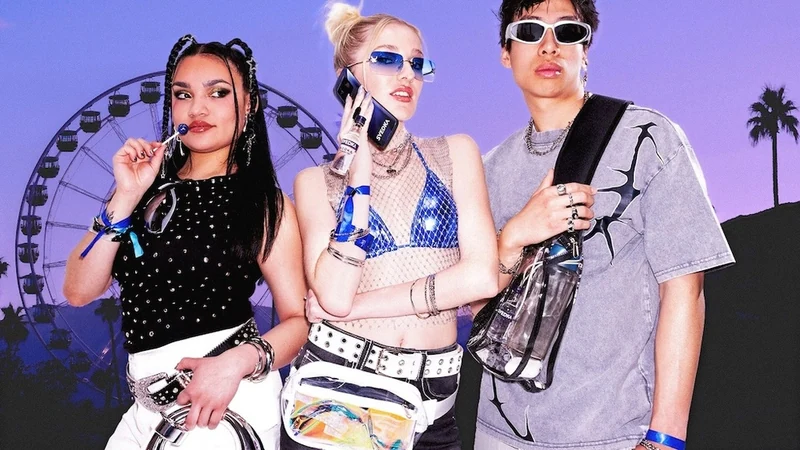
SVEDKA's limited-edition SVEDPHONE — a chrome-blue Y2K flip phone with only call and text, designed by the brand's Fembot mascot, bundled with pre-purchased minutes and a SVEDKA shooter — is the most commercially precise expression of the Analog Rebellion trend in branded marketing. It arrives at festival season when Gen Z's digital burnout and Y2K nostalgia intersect at maximum commercial intensity. The product's own brand director articulates the shift: "Sometimes the most disruptive technology is actually less technology." The SVEDPHONE is not a tech product — it is a cultural statement, a collectible, and a beverage marketing tool that serves the Attention Sovereignty Economy, the Nostalgia Economy, and the Spectacle Commerce Economy simultaneously.
Why The Trend Is Emerging: Analog Rebellion, Festival Presence, and Brand Entertainment Convergence
The SVEDPHONE's commercial logic is driven by the same forces reshaping the $5 billion analog rebellion market, festival fashion's presence-first culture, and beverage brands' evolution into entertainment companies.
Gen Z's Y2K Nostalgia Has Found Its Perfect Physical Object — Y2K aesthetic searches up 891% since November 2024, Tumblr era longing confirmed across multiple analyses in this session — the chrome flip phone is the most iconic Y2K technology artifact available. The SVEDPHONE delivers Y2K authenticity as a physical collectible rather than a digital aesthetic approximation.
Digital Burnout Has Made Intentional Disconnection Aspirational at Festivals — "Summer is when people want to be present, with friends, with music, with the moment" — SVEDKA's brand director has accurately identified the festival cultural moment. Coachella's Club Girl Revival, the analog rebellion's 19-city Offline Club, and the $5 billion attention sovereignty market all confirm that intentional presence is 2026's most aspirational social identity signal.
The Flip Mechanism Is a Permission Architecture — Snapping a flip phone shut is a deliberate physical act of disconnection that a smartphone screen-time limit is not. The physical mechanism creates the intentional moment that the Attention Sovereignty Economy's consumer is actively seeking — the SVEDPHONE makes presence a gesture, not just a decision.
Beverage Brand as Entertainment Company Is SVEDKA's Commercial Model — The SVEDPHONE executes the same brand-as-entertainment strategy identified in E.l.f.'s entertainment pivot and Cheetos' "Pickle's Back" music video. A vodka brand producing a limited-edition flip phone is not a product — it is a cultural moment that generates more earned media, more social content, and more brand advocacy than any advertising campaign at comparable cost.
Limited Edition Scarcity Creates the Collectible Urgency — The SVEDPHONE as a collectible object rather than a functional technology purchase removes the rational product evaluation barrier. The consumer is not buying a phone — they are acquiring a branded artifact from the cultural moment they want to be part of.
Virality of Trend: A chrome flip phone from a vodka brand photographed at a festival is structurally perfect social content — unexpected, visually distinctive, culturally legible, and immediately conversation-generating. The "wait, SVEDKA made a phone?" reaction is the Spectacle Commerce Economy's most reliable virality trigger: the "wait, what?" moment that drives organic sharing without paid distribution. The Y2K aesthetic makes every SVEDPHONE photograph instantly recognizable as a cultural statement.
Where It Is Seen: Festival season marketing, Y2K nostalgia culture, analog rebellion consumer electronics, Gen Z digital burnout discourse, beverage brand entertainment strategy, and the broader limited-edition collectible economy confirmed across Goodyear's Vault, Cheetos' "Pickle's Back," and Dubai Chocolate's re-release in this session.
Insight: The SVEDPHONE's most commercially intelligent decision is making disconnection a branded act — the consumer who snaps a SVEDKA flip phone shut at a festival is simultaneously performing presence, expressing Y2K identity, and carrying the brand's cultural statement in their hand all evening.
The analog rebellion-meets-beverage-brand-entertainment trend is accelerating as Gen Z's summer festival season provides the maximum commercial activation window for both digital burnout and Y2K nostalgia simultaneously. Commercially, the SVEDPHONE generates earned media value significantly exceeding its production cost through the sheer unexpectedness of the category crossover. Strategically, the beverage brands that create genuinely unexpected physical cultural artifacts — rather than conventional festival sponsorship — will capture the organic content and advocacy that the Spectacle Commerce Economy consistently rewards.
Description Of The Consumers: The Festival Presence-Seeker Who Wants a Permission Object, Not a Smartphone
Audience Definition — Gen Z adults 21–28 attending summer festivals who are simultaneously drawn to Y2K nostalgia aesthetics, experiencing genuine digital burnout, and seeking a social identity signal that communicates their commitment to presence without requiring them to leave their smartphone at home.
Demographics — Festival-attending, digitally native, SVEDKA's core demographic. Strong overlap with the analog rebellion community, Y2K fashion adopters, and the Coachella Club Girl Revival audience identified throughout this session.
Behaviour — Photographs the SVEDPHONE as a festival accessory before using it as a phone, shares the cultural statement it represents across social platforms, and treats the flip-shut gesture as a deliberate social performance of presence within their peer group.
Mindset — Presence-aspirational and nostalgia-literate. They understand both the digital burnout reference and the Y2K aesthetic reference simultaneously — the SVEDPHONE speaks to both their wellness awareness and their cultural identity in a single object.
Emotional Driver — Permission and identity. The SVEDPHONE grants the consumer permission to be physically present at a festival without the social anxiety of being "off" their phone entirely — the device provides the safety net of connectivity while the flip mechanism provides the permission structure for intentional disconnection.
Cultural Preference — Physical objects with cultural narrative. A chrome flip phone from a vodka brand is more interesting than a silence pledge or a phone stack at the dinner table — it makes the same statement with significantly more personality.
Decision-Making — Cultural novelty and collectible scarcity drive acquisition; Y2K aesthetic drives the content creation motivation; the bundled SVEDKA shooter makes the object a consumption occasion as well as a cultural artifact.
Insight: The SVEDPHONE consumer is not buying a phone — they are buying a prop for the version of themselves they want to be at the festival, and the brand that provides the most culturally intelligent prop earns the organic content that no activation budget purchases at equivalent authenticity.
This consumer is beverage marketing's most commercially valuable festival segment — the content creator whose SVEDPHONE photograph reaches their entire network is more commercially effective than any festival banner, and the brand that earns that content through genuine cultural intelligence rather than paid placement builds the advocacy that compound over time.
Main Audience Motivation: Be Present, Look Cool, Make a Point
Primary Motivation — Intentional presence as social identity. Snapping a chrome flip phone shut at a festival communicates "I am choosing this moment over my screen" with more cultural specificity and more aesthetic impact than any digital wellness app or screen-time limit.
Secondary Motivation — Y2K collectible acquisition. The SVEDPHONE as a limited-edition chrome artifact from a culturally aware vodka brand is a genuinely desirable physical object for the Gen Z consumer whose Y2K aesthetic investment extends from fashion to technology nostalgia.
Emotional Tension — The practical anxiety of operating with only call and text during a festival. The pre-purchased minutes bundle resolves this by framing the limited functionality as a complete experience rather than a compromised one — the SVEDPHONE is not a smartphone with features removed, it is a different object entirely.
Behavioural Outcome — Festival photography content featuring the SVEDPHONE, organic social sharing, peer discussion of the brand's cultural intelligence, and the SVEDKA brand association with genuine presence culture rather than conventional festival sponsorship.
Identity Signal — Carrying a SVEDPHONE at Coachella signals Y2K cultural fluency, digital burnout awareness, and the specific brand literacy that recognizes SVEDKA's cultural move as clever rather than corporate.
Insight: The SVEDPHONE's most commercially powerful feature is the flip mechanism — the physical act of snapping it shut is a social performance of presence that no app, no pledge, and no digital wellness tool can replicate as a moment of genuine intentional disconnection.
The motivation driving the SVEDPHONE's commercial appeal is structurally aligned with the Attention Sovereignty Economy, the Joy Economy, and the Spectacle Commerce Economy identified throughout this session — the consumer who wants to be present, look cool, and carry a culturally intelligent brand statement simultaneously has found their perfect festival object.
Trends 2026: Beverage Brands as Cultural Object Producers at Festival Season's Commercial Peak
Drivers: Gen Z's simultaneous Y2K nostalgia and digital burnout at festival season creates the maximum commercial activation window for a product that serves both motivations in a single object. Beverage brand entertainment strategy — E.l.f.'s entertainment company declaration, Cheetos' "Pickle's Back" music video, SVEDKA's SVEDPHONE — is establishing branded physical cultural artifacts as the most commercially efficient festival marketing available. The analog rebellion's $5 billion market projection confirms that intentional disconnection is a commercial category, not a niche consumer behavior.
Macro Trends: The Spectacle Commerce Economy's dominance in brand marketing — the campaign that generates "wait, what?" organic sharing outperforming conventional advertising at equivalent spend — is operating at maximum intensity in festival season marketing. Y2K's commercial maturation from aesthetic reference to physical product category — HMD Barbie Phone, SVEDPHONE, and the broader flip phone revival across consumer electronics — confirms the nostalgia has reached the product development stage that precedes mainstream commercial adoption. The Permission Economy identified across festival fashion, blue eyeshadow, and SS26 bohemian ease is operating in technology as well as aesthetics — the SVEDPHONE grants permission to disconnect as explicitly as Serotonin Beauty granted permission to be expressive.
Innovation: The SVEDPHONE's bundled SVEDKA shooter transforms a technology collectible into a consumption occasion — the most commercially elegant brand integration in festival marketing currently operating, making the phone and the vodka inseparable in the consumer's festival memory.
Differentiation: SVEDKA's Fembot brand character designing the phone is the creative decision that separates the SVEDPHONE from generic analog rebellion tech — the brand's existing irreverent personality makes the phone feel authentically SVEDKA rather than trend-chasing.
Operationalization: The winning festival branded object strategy combines genuine cultural intelligence (Y2K + digital burnout), physical collectible scarcity, branded personality integration, and a consumption occasion bundle that makes the object commercially complete as both a cultural statement and a brand experience.
Trend Table: The SVEDPHONE and the Eight Forces Defining Beverage Brand Cultural Object Marketing
Trend | Description | Strategic Implications |
Main Trend — Beverage Brands as Cultural Object Producers | SVEDKA producing a limited-edition flip phone confirms beverage brands have fully transitioned from product sponsors to cultural artifact creators | Develop branded physical cultural objects as primary festival marketing — the object that generates "wait, what?" organic sharing earns more commercial value than any festival banner or activation tent |
Social Trend — Flip Phone as Y2K Identity Object — | The chrome flip phone is Y2K's most iconic technology artifact — carrying one at a festival communicates aesthetic fluency, cultural awareness, and intentional presence simultaneously | Design branded analog technology objects around their social photography performance — the SVEDPHONE's chrome aesthetic is engineered for the Instagram moment as much as the disconnection occasion |
Industry Trend — Analog Rebellion Reaching Commercial Product Stage | The $5 billion attention sovereignty market's maturation is producing branded product expressions from beverage, technology, and lifestyle companies simultaneously | Enter the analog rebellion product category now — SVEDPHONE's limited edition positions SVEDKA as a cultural intelligence leader before the category becomes crowded with generic "dumb phone" marketing |
Main Strategy — Permission Object Architecture | The flip mechanism provides the physical permission structure for intentional disconnection that digital wellness apps cannot — presence becomes a gesture rather than a decision | Design analog brand objects around genuine behavioral permission mechanics — the physical act that makes disconnection feel deliberate and celebratory rather than restrictive |
Main Consumer Motivation — Presence as Cultural Performance | Snapping a chrome flip phone shut at a festival is a social performance of intentional presence with more cultural specificity than any digital wellness behavior | Lead brand object marketing with the cultural performance dimension — the consumer is not buying a phone, they are buying the most culturally intelligent way to signal their commitment to the moment |
Related Trend 1 — Limited Edition Scarcity as Collectible Urgency | The SVEDPHONE as a limited collectible removes rational product evaluation — the acquisition motivation is cultural participation rather than functional consideration | Position branded analog objects as limited collectibles rather than functional products — scarcity creates the urgency that functional specifications cannot generate for a device with intentionally limited features |
Related Trend 2 — Bundle Architecture Completing the Brand Experience | Pre-purchased minutes plus SVEDKA shooter makes the SVEDPHONE a complete consumption occasion — phone and vodka inseparable in the festival memory | Design branded physical objects with consumption occasion bundles — the beverage brand whose product is physically integrated into the cultural object achieves the brand recall that separate festival activations cannot |
Related Trend 3 — Festival Season as Analog Rebellion's Maximum Commercial Window | Summer festivals provide the cultural permission structure, the social identity stakes, and the content creation motivation that make intentional disconnection objects most commercially valuable | Time analog rebellion branded products to festival season — the consumer's desire to be present is highest, their Y2K aesthetic investment is most visible, and their content creation motivation is most active simultaneously |
Insight: The SVEDPHONE's most commercially intelligent insight is that the best beverage festival marketing is not about the beverage at all — it is about the cultural moment the brand enables, and a vodka brand that makes presence feel cool earns the brand association that no amount of festival sponsorship logo placement can manufacture.
The beverage brand cultural object trend confirms that the Spectacle Commerce Economy has fully reached festival marketing — the brand that produces a genuinely unexpected cultural artifact will consistently generate more earned media, more organic content, and more lasting brand association than the one that buys the festival headline sponsorship.
Final Insights: SVEDKA Just Proved That the Most Commercially Intelligent Festival Activation Fits in Your Pocket and Has No WiFi
Insights: The SVEDPHONE is the most commercially precise brand object of festival season 2026 — it serves Y2K nostalgia, digital burnout, intentional presence, and spectacle marketing simultaneously in a single chrome flip phone that costs less to produce than a festival banner and generates infinitely more organic content.
Industry: The SVEDPHONE confirms that beverage brand entertainment strategy has evolved beyond music videos and social content into genuine physical cultural artifact production — the brand that creates an object worth carrying, photographing, and explaining to strangers at a festival has achieved the brand integration that no conventional sponsorship budget can replicate. Audience/Consumer: This consumer is not buying a phone — they are buying the most culturally specific permission object available at festival season, and the brand intelligent enough to create that object earns the organic content, the peer advocacy, and the brand association that a summer of genuine presence produces in a generation that knows exactly what digital burnout costs them. Social: A chrome Y2K flip phone from a vodka brand photographed at Coachella generates the "wait, what?" organic sharing that the Spectacle Commerce Economy rewards — the unexpectedness of the category crossover is the creative decision that earns the earned media, and SVEDKA's brand personality makes it feel authentic rather than opportunistic. Cultural/Brand: The SVEDPHONE's brand director's line — "sometimes the most disruptive technology is actually less technology" — is the most commercially honest brand statement in festival marketing this season, because it acknowledges the cultural moment the brand is serving rather than pretending to have invented it.
SVEDKA made a phone that does almost nothing and generated more cultural conversation than every conventional festival sponsorship combined. That is the commercial intelligence the Spectacle Commerce Economy rewards.
Innovation Platforms: Five Business Models the SVEDPHONE's Brand Object Strategy Has Unlocked
The beverage brand cultural object model and the analog rebellion's festival season commercial window have created underserved opportunities across branded hardware, festival presence products, and limited edition collectible commerce.
Beverage Brand Analog Object Development Studios Creative product development agencies specifically building limited-edition analog cultural objects for beverage and lifestyle brands — flip phones, disposable cameras, analog watches, and physical artifacts that serve as both brand statements and festival presence tools. Revenue through development retainer and production management. Defensibility through analog technology sourcing expertise, brand personality integration capability, and the cultural intelligence that distinguishes genuinely resonant brand objects from generic promotional merchandise.
Festival Analog Presence Product Brands Consumer product companies developing a permanent range of festival-season analog presence objects — limited-edition flip phones, film cameras, analog audio devices — sold as festival accessories rather than technology products. Revenue through DTC and festival retail. Defensibility through Y2K design aesthetic expertise, festival culture community relationships, and the seasonal collectible launch strategy that creates annual purchase urgency within the Gen Z festival consumer's social calendar.
Brand Limited Edition Collectible Commerce Platforms Commerce platforms specifically managing limited-edition branded cultural object drops — the SVEDPHONE model applied across beverage, fashion, and lifestyle brands seeking cultural artifact status for their festival marketing. Revenue through commerce facilitation and brand partnership. Defensibility through limited edition drop mechanics expertise, collectible scarcity management, and the consumer community trust that makes platform drops credible events rather than promotional campaigns.
Festival Digital Detox Experience Packages Event service companies developing curated festival digital detox packages — flip phone rental, analog camera loan, screen-free zone access, and presence-commitment rituals — for festival operators seeking to differentiate their attendee experience through intentional disconnection infrastructure. Revenue through festival operator partnership and per-package fees. Defensibility through festival operations expertise, analog technology rental infrastructure, and the intentional presence experience design capability that makes digital detox feel celebratory rather than restrictive.
Gen Z Analog Nostalgia Product Licensing Platforms Licensing agencies connecting Y2K-era technology brands with contemporary consumer goods companies for co-branded analog nostalgia product development — the SVEDKA-Fembot design logic applied systematically across the Y2K technology catalog. Revenue through licensing facilitation and brand partnership. Defensibility through Y2K brand archive relationships, Gen Z nostalgia intelligence, and the cultural timing expertise that identifies which Y2K technology artifacts have the aesthetic resonance and functional poetry to translate into contemporary collectible objects.
Insight: The SVEDPHONE's most commercially replicable innovation is not the flip phone — it is the creative logic of finding the physical object that makes a cultural statement your brand genuinely stands for, and the agencies that systematize that logic for beverage and lifestyle brands will define festival marketing's most commercially productive creative category.
The five models map a commercial ecosystem that the SVEDPHONE has pioneered but no brand infrastructure has yet built systematically. As analog rebellion deepens and festival season becomes the primary commercial window for presence-culture brand expression, the platforms supporting branded object development, festival detox packaging, and Y2K licensing will generate compounding value. The most defensible position is the cultural intelligence layer — the creative capability that identifies which physical object will make the right cultural statement for the right brand at the right cultural moment.
Cross-Industry Expansion: The Presence Economy — When Being Fully in the Moment Becomes the Most Commercially Valuable Consumer Experience
The Presence Economy
The commercial logic behind the SVEDPHONE — a brand creating a product whose entire value proposition is enabling the consumer to be genuinely present rather than digitally connected — is not a beverage or technology story. It is the most commercially specific expression of the Attention Sovereignty Economy operating at festival scale: the moment when being fully in the moment became a product category.
What is the trend: Brands and products explicitly designed to enable, facilitate, and celebrate genuine human presence — the full sensory, social, and emotional engagement with a moment that digital connectivity systematically interrupts — as a primary commercial value proposition.
How it appeared: It crystallised in festival marketing through the SVEDPHONE, but the Presence Economy is the commercial infrastructure underlying the Analog Rebellion's $5 billion market, the reading retreat's phone surrender programs, Offline Club's 19-city tech-free community, and the somatic movement's "how does this feel right now" practice — all 2026 commercial moments built on the same conviction that genuine presence is the most valuable experience available.
Why it is trending: The attention economy's systematic extraction of human presence — the notification, the scroll, the habitual check — has accumulated the counter-pressure that makes genuine presence feel extraordinary rather than ordinary. The SVEDPHONE's chrome flip mechanism snapping shut at a festival is a tiny revolution against that extraction, and in 2026 it feels genuinely radical.
What is the motivation: The core human need is the full inhabitation of a moment — being completely in the experience rather than simultaneously documenting, broadcasting, and consuming other people's versions of equivalent experiences. The Presence Economy is what happens when that inhabitation becomes commercially scarce enough to be worth paying for.
Industries impacted: Technology, beverage, fashion, hospitality, wellness, entertainment, travel, and any consumer category where the product can enable, facilitate, or celebrate genuine human presence at moments when digital connectivity would otherwise interrupt it.
How to benefit: Identify the moments in your category where genuine presence is most valuable and most threatened by digital connectivity. Design products, experiences, and brand objects that enable that presence explicitly. Make presence feel celebratory rather than restrictive — the SVEDPHONE's chrome aesthetic makes disconnection look cool, which is the Presence Economy's most commercially intelligent design decision.
What strategy: Lead with genuine presence enablement as the core commercial value. The frame is the Presence Economy — the brands that make being fully in the moment feel like the most culturally intelligent and most personally rewarding choice available will build the most emotionally resonant consumer relationships in any category where digital connectivity competes with human experience for the consumer's attention.
Who are the consumers: Presence-hungry adults 20–40 who are simultaneously the most digitally connected and the most digitally exhausted generation in human history — and who will respond with genuine enthusiasm to any brand, product, or experience that makes genuine presence feel like a celebration rather than a sacrifice.
Insight: The Presence Economy rewards the brands that make disconnection feel like freedom rather than deprivation — and the chrome flip phone that snaps shut at a festival is the most precise physical expression of that freedom currently available in consumer culture.
The Presence Economy scales because the attention deficit is universal and the human desire to be genuinely in a moment — rather than simultaneously consuming, documenting, and broadcasting it — is as old as experience itself and as urgent as the notification that just interrupted writing this sentence. Commercially, the brands that enable genuine presence will generate the most emotionally resonant consumer relationships available, because the consumer who was fully present during a brand experience will remember it with the depth and loyalty that no digitally mediated brand interaction can replicate. The Presence Economy belongs to the brands brave enough to tell their consumers to put the phone down — and clever enough to hand them a better one when they do.

Comments