


Underwear as Outerwear: Fashion Is Breaking the Rules

Fashion is becoming less defined by where clothes are supposed to be worn and more by how consumers choose to express themselves. Lingerie is moving from the bedroom into everyday wardrobes, as bras, corsets, slips, sheer fabrics and babydolls become visible fashion pieces rather than garments that need to remain hidden. Vogue Singapore describes the shift as the increasingly blurred line between underwear and outerwear, with intimate apparel becoming part of everyday dressing.
Why Everyone Is Talking About It: What Was Hidden Is Now the Look
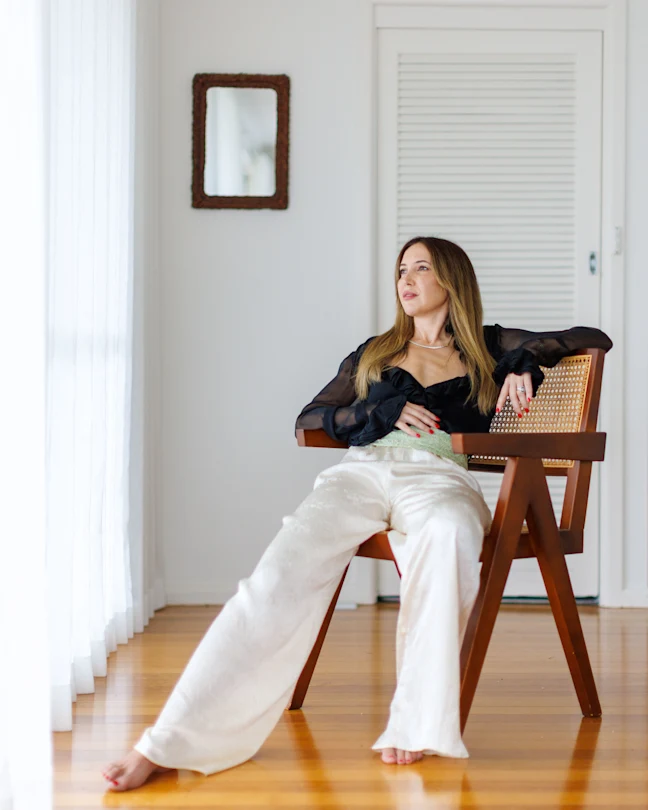
Lingerie dressing immediately attracts attention because it overturns one of fashion's most familiar rules: underwear is supposed to stay underneath clothes. A visible bra beneath a blazer, a slip dress worn to dinner or a corset combined with casual trousers creates an instant contrast between private and public dressing. That makes the trend recognizable even to people who do not closely follow fashion.
Celebrity culture is accelerating that visibility. Vogue points to Sabrina Carpenter's corsets, lace and satin, Olivia Rodrigo's babydoll-inspired styling and Katseye's bralettes and sheer Y2K layers as different expressions of the movement. These looks help move lingerie dressing beyond runways and into mainstream pop-cultural imagery.
➡️ Viral Insight: Lingerie dressing attracts attention because consumers immediately understand the rule being broken. Celebrity adoption gives the aesthetic recognizable cultural ambassadors, while visually distinctive styling gives social audiences something to recreate and discuss. The tension between what was traditionally hidden and what is now deliberately displayed makes the trend naturally conversation-worthy.
Why Consumers Are Changing: Personal Style Is Replacing Old Dress Codes
Consumers are becoming more comfortable deciding for themselves what belongs in an outfit. The lingerie trend is therefore about more than revealing clothing: it reflects a loosening of traditional categories separating underwear, nightwear and everyday fashion. Vogue notes that bras, babydolls and slip dresses are increasingly incorporated intentionally into complete looks rather than treated as accidental exposure.
At the same time, fashion is moving away from years of pared-back dressing. Hyper-femininity, Y2K nostalgia and boudoir aesthetics are bringing lace, satin, corsetry and sheer materials back into focus. Consumers can use these highly recognizable codes to make everyday outfits feel more expressive, playful and individual.
➡️ Consumer Insight: Consumers increasingly want freedom to decide what belongs where. Fashion categories that once came with clear social rules are becoming more fluid. Personal expression is becoming more important than following inherited ideas about how particular garments should be worn.
Who Is Driving This Trend: Confident Fashion Rule-Breakers
The consumers driving this shift are not necessarily trying to shock people. They are fashion-aware consumers who feel increasingly comfortable mixing traditionally private and public styles, treating lingerie as another layer within their wardrobes rather than something that must remain concealed.
They are also influenced by a culture in which fashion inspiration moves rapidly between celebrities, social media, runways and everyday life. Vogue argues that social media has helped collapse the distance between the runway, street and bedroom, allowing previously private styling codes to enter the wider fashion conversation.
Core Motivations: Dressing Without Old Boundaries
Self-Expression – Wearing what feels personalConsumers want clothing to communicate individual taste instead of simply following established dress codes.
Confidence – Choosing to be seenConsumers want to wear attention-grabbing pieces deliberately and feel comfortable owning the look.
Freedom – Deciding what belongs whereConsumers increasingly want control over which garments can become part of everyday fashion.
Femininity – Making feminine codes visibleConsumers can embrace lace, satin, corsetry and other overtly feminine aesthetics without reserving them for private settings.
Experimentation – Mixing unexpected categoriesConsumers want to combine lingerie with tailoring, sportswear, denim and other contrasting styles.
Nostalgia – Reinventing familiar aestheticsY2K and 1990s references give consumers recognizable fashion codes they can reinterpret for contemporary wardrobes.
➡️ Audience Insight: These consumers are not simply wearing underwear outside; they are questioning why clothing needs rigid categories in the first place. Confidence and experimentation allow previously private garments to become tools of everyday self-expression. For fashion brands, this creates opportunities to design intimate apparel for increasingly flexible occasions.
Why This Trend Matters Right Now: Fashion Is Loosening Its Boundaries
The timing reflects several movements converging at once. Hyper-femininity, Y2K nostalgia, sheer dressing and boudoir aesthetics are making intimate fashion codes culturally relevant again. Yet unlike previous eras, lingerie-inspired pieces can now move rapidly from celebrity wardrobes and runway imagery into everyday styling through social platforms.
The bigger change is normalization. Lingerie dressing has historical precedents—from Madonna's Jean Paul Gaultier cone bra to Kate Moss's slip dresses and the corsets and visible bra straps of the early 2000s—but Vogue identifies today's difference as how seamlessly these ideas are entering ordinary dressing.
➡️ Why It Matters: Fashion rebellion can eventually become fashion normality. What once communicated provocation can become another accepted styling choice when enough cultural boundaries loosen. Underwear becoming outerwear demonstrates how quickly the definition of “appropriate” clothing can change.
Viral Potential: Rule-Breaking Fashion Creates Instant Visual Contrast
Underwear-as-outerwear is particularly suited to visual culture because the concept can be understood from a single image. A bra under tailoring, lace shorts with sportswear or a corset with casual trousers creates an obvious styling contradiction that can stop attention without requiring explanation. Vogue's examples range from “peek-a-bra” styling to sportswear mixed with lace, slips worn during the day and corsets paired with cargo trousers.
It is also highly adaptable. Consumers do not need to reproduce a celebrity outfit exactly; they can participate with anything from a small flash of lace to a complete sheer look. That flexibility gives the trend multiple levels of participation and makes it easier to reinterpret across personal styles.
➡️ Viral Potential: The trend contains a simple visual idea: show what fashion once told you to hide. That makes it recognizable, adaptable and easy to reinterpret through social content. Every new styling combination can become another demonstration of how far traditional fashion rules are being stretched.
Marketing Strategy: Turn Intimate Fashion Into Everyday Choice
The opportunity is to stop treating lingerie exclusively as a private category. Brands can position intimate pieces around styling versatility, self-expression and multiple occasions, giving consumers more reasons to incorporate them into their visible wardrobes.
Strategy Area | Opportunity |
Product: Design to Be Seen | Create lingerie with enough design presence and versatility to function as part of complete outfits. |
Pricing: Expand the Occasion | Reinforce value by showing how one piece can move across intimate, casual, evening and layered looks. |
Promotion: Style Beyond the Bedroom | Show bras, slips, corsets and sheer pieces incorporated intentionally into everyday wardrobes. |
Distribution: Bring Categories Together | Merchandise lingerie alongside fashion categories that demonstrate complementary styling possibilities. |
Innovation: Blur Wardrobe Boundaries | Develop hybrid products that combine elements of lingerie, nightwear and conventional outerwear. |
➡️ Strategic Insight: The opportunity is to expand the role of lingerie rather than simply sell more lingerie. Products traditionally associated with one occasion can gain value when consumers discover multiple ways to wear them. Brands that help consumers cross category boundaries can participate in a much larger movement toward flexible wardrobes.
Trend Snapshot: Private Fashion Moves Into Public Life
Underwear as outerwear demonstrates a broader shift toward fewer boundaries between clothing categories and greater freedom in personal presentation. The opportunity extends beyond lingerie to any fashion category traditionally constrained by rules about where or when it belongs.
Trend Area | Insight |
Broad Trend – Bold Self-Expression | Consumers increasingly use visible, unconventional choices to express identity and confidence in everyday life. |
Industry Trend – Underwear as Outerwear | Lingerie is moving from a concealed foundation garment into a deliberate and visible part of fashion styling. |
Lifestyle Trend – Dressing Without Boundaries | Consumers are becoming more comfortable mixing private, casual, formal and occasion-specific fashion codes. |
Strategy – Design Beyond Categories | Fashion businesses can create products and styling systems that work across traditional wardrobe boundaries. |
Consumer Motivation – Freedom to Express | Consumers want greater freedom to decide what feels appropriate, attractive and personally meaningful for themselves. |
Business Opportunity – Expand the Wearing Occasion | Brands can increase relevance by transforming single-purpose garments into pieces consumers can style across multiple situations. |
Innovation Outlook – Boundaryless Wardrobes | Fashion could increasingly evolve toward hybrid garments that combine lingerie, nightwear, sportswear, tailoring and everyday clothing. |
➡️ Trend Snapshot Insight: Underwear as outerwear is one expression of a larger movement toward boundaryless personal style. Consumers are redefining garments through how they choose to wear them rather than accepting their traditional purpose. The opportunity for fashion is to design for flexibility, experimentation and visible self-expression.
Final Thoughts: Fashion Rules Are Becoming Personal Choices
The most significant part of the lingerie trend is not how much skin it reveals, but how little authority traditional clothing categories increasingly have over personal style. Vogue describes the movement not as a shocking rebellion but as a “loosening of the rules,” where lingerie can simply become another intentional component of an outfit.
That could make underwear-as-outerwear part of a much broader transformation in fashion. As consumers become comfortable mixing garments across occasions and categories, the wardrobe itself becomes less rigid: nightwear can become daywear, lingerie can become outerwear and sportswear can enter traditionally formal contexts.
➡️ Final Insight: The future of fashion may be defined less by what a garment was designed to be and more by what consumers decide to make of it. Underwear as outerwear shows how personal expression can overturn established clothing rules and eventually normalize what once felt provocative. Fashion is not simply breaking the rules—it is giving consumers more power to write their own.


Comments