


Virality Is the New Shelf Space: Buc-ee’s OverBite Turns Candy into a Social Media Gold Rush Trend
- InsightTrendsWorld

- Apr 24
- 8 min read
Viral Product Gold Rush: Social media transforms niche snacks into high-demand, resellable commodities
Oversized snacks spark viral consumer frenzy
The core idea of this trend is that everyday retail products can suddenly become viral sensations driven by social media amplification, rather than traditional marketing. The tension lies between organic discovery and artificial scarcity, where a widely available product quickly feels exclusive due to hype and access limitations.
Emotionally, this taps into FOMO (fear of missing out) and the thrill of discovering “the next big thing.” Culturally, it reflects a shift where consumers trust peer-driven content and creators over brand messaging. Symbolically, products like the OverBite become status objects, representing participation in a viral moment rather than just consumption.
Trend Overview: Viral discovery cycles turn physical products into digital demand spikes
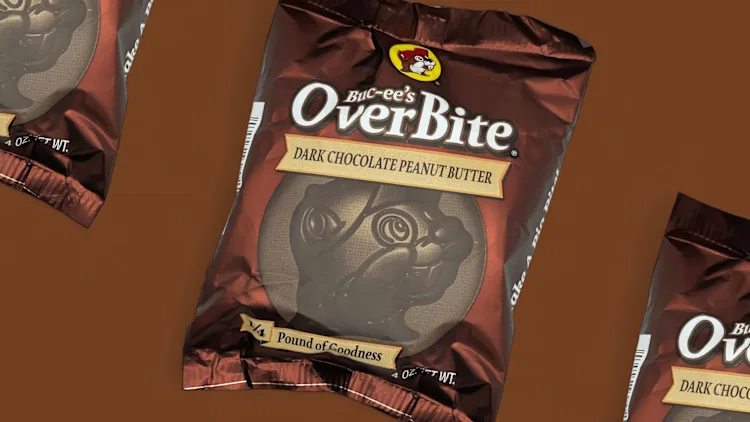
• What is happening: Products like Buc-ee’s OverBite candy from Buc-ee's are going viral on platforms like TikTok and X, driving sudden spikes in demand
• Why it matters: This shows how social media can instantly reshape product demand, bypassing traditional advertising cycles
• Cultural shift: Consumers increasingly rely on creator validation and viral momentum to decide what to try or buy
• Consumer relevance: Audiences are motivated by trend participation, curiosity, and shareable experiences
• Market implication: Retail products are becoming speculative assets, with resale markets emerging around viral items
Trend Description: Social amplification, scarcity perception, and resale dynamics redefine product value
• Context: The OverBite, a large chocolate-covered candy, existed for years before going viral through creator and influencer attention
• How it works: A single viral post (e.g., by a creator or celebrity) triggers mass curiosity and rapid demand spikes
• Key drivers: Social media algorithms, creator influence, and visually distinctive products (size, indulgence)
• Why it spreads: Content featuring exaggerated reactions and product uniqueness fuels rapid sharing and replication
• Where it is seen: Across platforms like TikTok, X, Instagram, and resale marketplaces like Amazon
• Key Players & Innovators: Buc-ee's, independent creators, resellers, and platforms like Amazon
• Future: This is a long-term trend, as viral discovery and resale culture continue to shape retail demand patterns
Insight: Viral demand is redefining value creation from product quality to cultural momentum
This shows that product success is increasingly driven by visibility and cultural relevance rather than just utility or quality.
It matters because brands no longer fully control demand—platforms and creators now act as primary distribution engines.
The value created is explosive short-term demand, premium pricing opportunities, and brand visibility spikes.
The future implication is that brands will design products to be “viral-ready” with visual, emotional, and shareable triggers built in.
Why it is Trending: Viral discovery, FOMO, and resale culture collide to amplify product demand
The trend is accelerating because platforms like TikTok and X have created an ecosystem where one post can instantly trigger mass demand. Cultural timing is critical, as consumers are increasingly driven by FOMO and the desire to participate in viral moments. The role of creators transforms ordinary products into must-try cultural phenomena overnight. Distribution also plays a role—limited physical access to Buc-ee's locations adds a layer of scarcity. From a market perspective, this creates a perfect storm where hype, limited availability, and social proof drive both consumption and resale behavior.
Elements Driving the Trend: Social validation, product spectacle, and scarcity perception fueling demand
The core appeal lies in the visual and experiential uniqueness of the product—its oversized format makes it instantly content-worthy. The narrative hook is built around exaggerated reactions, which signal authentic excitement and curiosity. Creator influence plays a major role, as influencers and everyday users validate the experience through real-time reviews and reactions. The format is highly accessible—short-form videos and quick posts allow rapid spread. At the same time, perceived scarcity amplifies urgency and desire, reinforcing the hype cycle.
Virality of Trend (Social Media Coverage): Creator amplification and exaggerated reactions drive exponential reach
The trend gained traction through a single viral trigger, which quickly cascaded into multi-platform engagement across TikTok, X, and Instagram. Online discussions center around size, indulgence, and shock value, creating a mix of curiosity and debate. Emotional triggers include surprise, humor, and excess, while contrasting opinions further fuel engagement. This creates a loop where more reactions generate more visibility, sustaining the trend cycle.
Consumer Reception: Trend-driven consumers seek novelty, shareability, and participation in viral moments
• Consumer Description: Gen Z & Young Millennials (The Viral Snack Hunters)
Demographics: Socially connected, trend-reactive, and digitally influenced consumers
• Age: 16–35 — highly influenced by viral content and peer validation
• Gender: All
• Education: High school to college educated
• Income: Low to middle income
Lifestyle: Content-driven, impulse-oriented, and experience-seeking consumption patterns
• Shopping behavior: Impulse purchases driven by trends and hype
• Media behavior: Heavy users of TikTok, Instagram, and X
• Lifestyle behavior: Seeks novelty and shareable experiences
• Decision drivers: Virality, curiosity, peer validation
• Values: Entertainment, immediacy, social relevance
• Expectation shift: From planned consumption to real-time trend participation
Consumer Motivation: Driven by FOMO, curiosity, and social validation loops
• Desire to try trending products before they disappear
• Participation in viral conversations and cultural moments
• Social validation through sharing opinions or reactions
• Willingness to pay more due to hype and scarcity
The trend is gaining popularity because: Viral amplification meets scarcity-driven demand loops
• Social media acceleration: Algorithms amplify high-engagement content instantly
• Industry opportunity: Viral products create short-term demand spikes and premium pricing opportunities
• Audience alignment: Consumers actively seek trend participation and shareable experiences
• Motivation alignment: Consumers are driven by FOMO, curiosity, and exclusivity perception
Insight: Demand is increasingly driven by hype cycles rather than traditional product value
This shows that consumer behavior is shifting toward real-time, socially influenced decision-making.
It matters because demand can now spike unpredictably, challenging traditional supply and marketing models.
The value created is rapid awareness, viral reach, and monetization through resale ecosystems.
The implication is that brands must be prepared to capitalize on sudden viral moments and scale quickly
Trends 2026: Viral demand, resale culture, and product spectacle redefine retail value creation
The future of retail and QSR will be shaped by products designed not just for consumption, but for virality and visual impact. Everyday items will increasingly be engineered to trigger instant social reactions, turning shelves into content pipelines. At the same time, resale behavior will become more normalized, as consumers treat viral products as scarce, tradable assets rather than simple purchases. Digital platforms will act as demand accelerators, compressing product life cycles into short, explosive hype windows. Ultimately, brands that win will be those that can create, capture, and sustain viral momentum.
Trend Elements: Viral product ecosystems transforming how demand is created and monetized
• Product-as-contento Items are designed to be visually striking and shareable
• Creator-triggered demand spikeso Single influencer posts can activate mass consumer behavior
• FOMO-driven consumptiono Urgency and fear of missing out accelerate purchase decisions
• Scarcity perception loopso Limited access (real or perceived) increases desirability
• Resale arbitrage cultureo Consumers monetize demand gaps through secondary markets
• Hype cycle compressiono Product life cycles shrink into short, intense viral bursts
• Platform-driven discoveryo Algorithms dictate what products gain visibility
• Controversy as amplificationo Mixed reviews (taste vs health) increase engagement
• Impulse-driven purchasingo Decisions shift from planned to reactive
• Retail as entertainmento Stores become destinations for discovery and content creation
Summary of Trends: Viral commerce transforms products into cultural and economic signals
Main Trend: Viral Product Gold Rush — everyday items become high-demand cultural phenomena; strategic implication: design products for shareability and hype
Social Trend: FOMO Consumption — consumers rush to participate in viral moments; strategic implication: create urgency-driven campaigns
Industry Trend: Hype-Driven Retail — demand is shaped by social media, not traditional marketing; strategic implication: align launches with creator ecosystems
Main Strategy: Viral Trigger Activation — leverage creators and content to spark demand spikes; strategic implication: seed products with high-visibility influencers
Main Consumer Motivation: Participation & Status — consumers seek inclusion in trending moments; strategic implication: position products as cultural signals
Cross-Industry Expansion: Experience Economy extends viral product culture into retail, collectibles, and digital commerce
This trend is rapidly expanding beyond food into industries like fashion, collectibles, and beauty, where products are increasingly designed for viral discovery and resale potential. Limited drops, collaborations, and influencer-led launches are creating artificial scarcity and heightened demand cycles across categories.
In digital commerce, the convergence of content and shopping is even more pronounced, with platforms enabling instant purchase decisions directly from viral content. As a result, industries are shifting toward a model where value is driven by attention and hype, not just product function, reinforcing the rise of the experience economy.
Expansion Factors: Viral demand loops reshape how products scale, spread, and sustain relevance
• Trend: Viral Product Gold Rush transforming retail demand dynamics
• Why: Social media accelerates discovery faster than supply chains can respond
• Impact: Price inflation, resale markets, and rapid demand spikes
• Industries: QSR, retail, fashion, collectibles, beauty
• Strategy: Design products for visual impact and influencer amplification
• Consumers: Trend-driven, socially influenced buyers
• Demographics: Gen Z and Millennials (core 16–35 audience)
• Lifestyle: Always-online, content-driven, experience-seeking
• Buying Behavior: Impulse purchases driven by hype and scarcity
• Expectation Shift: From availability to exclusivity and immediacy
Insight: Viral momentum is becoming the primary driver of product success across industries
This shows that products are evolving into content assets within attention economies.
It matters because traditional supply-demand models are being disrupted by instant, unpredictable demand spikes.
The value created is rapid awareness, premium pricing opportunities, and cross-platform visibility.
The implication is that brands must build systems to anticipate, respond to, and sustain viral demand cycle
Innovation Platforms: Social-first commerce ecosystems turning viral moments into instant transactions
The rise of viral products like Buc-ee’s OverBite reflects a shift toward platforms that seamlessly connect content, discovery, and purchase behavior. Social media platforms are no longer just awareness channels—they function as real-time demand engines, where a single post can trigger immediate consumer action. This creates a system where visibility and conversion happen almost simultaneously, compressing the traditional marketing funnel.
At the same time, resale platforms and third-party sellers are becoming secondary distribution layers, capturing value from demand spikes. The combination of creator platforms, search trends, and marketplaces enables a fluid ecosystem where products move from discovery to scarcity to monetization within hours or days. As a result, innovation is no longer just about product—it is about building systems that can capture and scale viral demand in real time.
Innovation Drivers: Systems enabling viral demand creation and monetization loops
• Creator-led discovery engineso Influencers and users act as primary drivers of product awareness
• Algorithmic amplification systemso Platforms push high-engagement content to mass audiences rapidly
• Instant search and trend validationo Google Trends and platform searches reinforce demand spikes
• Resale marketplace infrastructureo Platforms like Amazon enable rapid price arbitrage
• Visual-first product designo Products are optimized for shareability and reaction content
• Short-form video dominanceo Content formats accelerate exposure and replication
• Scarcity signaling mechanicso Limited access increases urgency and perceived value
• Cross-platform virality loopso Trends migrate quickly across TikTok, X, Instagram
• Impulse purchase pathwayso Reduced friction between discovery and buying
• Community-driven validationo Peer reviews and reactions reinforce credibility
Summary of the Trend: Viral hype transforms everyday products into high-demand cultural commodities
• Trend essence: Viral Product Gold Rush turning ordinary items into viral sensations
• Key drivers: Social media amplification, creator influence, scarcity perception
• Key players: Buc-ee's, creators, resellers, platforms like Amazon
• Validation signals: Viral posts, search spikes, resale markups
• Why it matters: Demand is driven by attention, not just product value
• Key success factors: Visual appeal, shareability, creator adoption
• Where it is happening: Retail, QSR, and emerging across consumer categories
• Audience Relevance: High among Gen Z and Millennials
• Social Impact: Normalization of hype-driven consumption and resale culture
Conclusion: Viral commerce reflects a shift from product value to attention-driven demand systems
Insights: Products are increasingly valued based on their ability to generate attention rather than their intrinsic utility.Industry Insight: Retail and QSR are evolving into real-time demand ecosystems where success depends on capturing and sustaining viral momentum.Consumer Insight: Consumers are driven by immediacy, social validation, and participation in trends, often prioritizing experience over practicality.Social Insight: Viral culture has normalized rapid hype cycles, where products rise and fall in relevance within days or weeks.Cultural/Brand Insight: Brands must now design for visibility and shareability, as cultural relevance is shaped by digital attention flows rather than traditional brand-building.


Comments