


Workation Culture: Remote Workers Are Turning Travel Into A Burnout-Recovery Lifestyle System
- InsightTrendsWorld

- May 28
- 11 min read
Travel Is Moving Beyond PTO Escapes Toward Hybrid Work-Leisure Living
Modern travel culture is increasingly shifting away from traditional all-or-nothing vacations toward workation culture built around remote flexibility, burnout recovery, lifestyle optimization, and hybrid work-leisure experiences. The rise of the “workation” reflects this transformation by allowing professionals to maintain full-time productivity while temporarily relocating to scenic destinations, luxury rentals, and experience-driven environments.
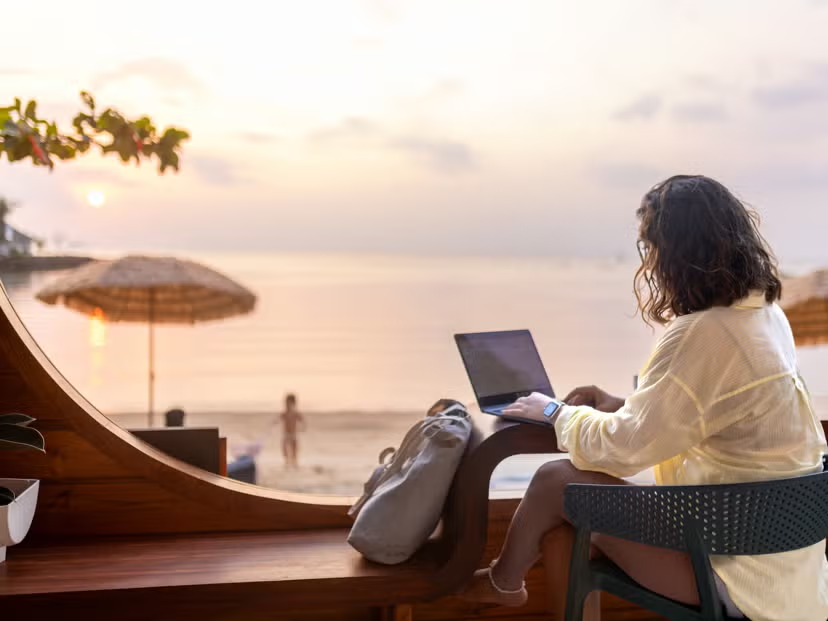
Rather than waiting for limited vacation days or disconnecting completely from professional responsibilities, remote workers increasingly integrate travel directly into their normal work routines. Employees now close their laptops beside beaches, mountain cabins, pools, and resort spaces instead of returning to stressful commutes and repetitive home-office environments. Travel no longer represents temporary escape alone — it increasingly represents lifestyle-integrated productivity infrastructure.
At the same time, rising burnout, remote-work normalization, and growing flexibility expectations are reshaping how consumers define leisure itself. Employees increasingly want experiences that feel restorative without sacrificing career momentum or PTO reserves. The result is a travel landscape where remote work increasingly functions as both mobility infrastructure and emotional-wellness strategy.
Trend Overview: Workation Culture Becoming Mainstream
What is happening — Remote employees are increasingly blending work schedules with leisure travel and destination living.
➡️ implication: Travel increasingly merges with professional lifestyle systems.
Why it matters — Workers increasingly seek burnout relief without sacrificing income or vacation availability.
➡️ implication: Flexibility increasingly shapes travel behavior.
Cultural shift — Vacation culture is evolving from short-term disconnection toward hybrid work-leisure living ecosystems.
➡️ implication: Mobility increasingly becomes workplace infrastructure.
Consumer relevance — Consumers increasingly seek scenic, productive, and emotionally restorative work environments.
➡️ implication: Experience quality increasingly shapes remote-work preferences.
Market implication — Hospitality brands increasingly compete through remote-work amenities, connectivity quality, and productivity-focused accommodations.
➡️ implication: Work-friendly design increasingly drives travel innovation.
Trend Description: How Workations Became A Mainstream Lifestyle System
Context — Remote-work normalization, hybrid employment, burnout culture, flexible scheduling, digital nomad behavior, and experience-driven travel accelerated the movement.
➡️ implication: Work flexibility increasingly reshapes leisure culture.
How it works — Employees travel to vacation destinations while maintaining normal remote work schedules using productivity-ready accommodations and digital infrastructure.
➡️ implication: Hospitality increasingly functions as remote-work infrastructure.
Key drivers — Burnout recovery, PTO optimization, remote flexibility, work-life blending, lifestyle freedom, and productivity mobility accelerated the trend.
➡️ implication: Emotional wellness increasingly drives travel behavior.
Why it spreads — Workation culture combines productivity, freedom, wellness, flexibility, and aspirational travel aesthetics into highly scalable lifestyle experiences.
➡️ implication: Scenic productivity increasingly fuels travel desirability.
Where it is seen — Luxury vacation rentals, digital-nomad ecosystems, remote-worker communities, hybrid travel platforms, mountain cabins, beach properties, and productivity-focused hospitality environments.
➡️ implication: Hospitality increasingly merges with workplace ecosystems.
Key Players & Innovators — Wander, remote-work travel platforms, smart-home hospitality brands, and productivity-focused rental ecosystems shaped the trend through workspace-integrated accommodations and work-friendly travel infrastructure.
➡️ implication: Travel platforms increasingly become hybrid lifestyle infrastructure.
Future — Workation Culture may increasingly expand into AI-personalized remote-work travel planning, productivity-optimized hospitality ecosystems, subscription-based nomad living, and corporate wellness travel programs.
➡️ implication: Travel increasingly evolves around hybrid work-lifestyle systems.
Insight: Travel Is Becoming Productivity and Wellness Infrastructure
The rise of Workation Culture reflects the emergence of remote-flexibility, wellness-driven, and hybrid lifestyle ecosystems rooted in mobility, emotional restoration, and productivity freedom.
Consumers increasingly seek scenic, emotionally restorative, and professionally functional travel experiences rather than traditional short-term vacations alone.
Travel innovation is evolving toward workspace-integrated hospitality, productivity-focused accommodations, remote-work mobility systems, and wellness-driven travel ecosystems powered by flexibility and digital infrastructure.
The movement succeeds because it combines burnout recovery, travel freedom, professional continuity, and lifestyle optimization into scalable modern-work ecosystems.
The future of travel culture may increasingly depend on building hybrid work-leisure infrastructures, remote-productivity hospitality systems, and mobility-centered lifestyle ecosystems rooted in flexibility, emotional wellness, and experience-driven living.
Why Workation Culture Is Exploding: Burnout Recovery, Remote Flexibility, and Lifestyle Optimization Converging
Consumers Increasingly Want Travel That Doesn’t Require Fully Disconnecting From Work
The rise of Workation Culture reflects how modern workers increasingly reject rigid separation between work and leisure in favor of more flexible and lifestyle-integrated productivity systems. Employees are increasingly blending remote work with travel because they want emotional recovery, environmental stimulation, and lifestyle freedom without exhausting limited PTO allowances.
At the same time, remote and hybrid work models normalized the idea that productivity no longer needs to happen inside traditional office environments. Scenic cabins, beach rentals, mountain homes, and resort-style accommodations increasingly function as temporary workspaces where professionals can maintain output while improving emotional well-being and reducing routine fatigue.
Elements Driving the Trend: Hybrid Work-Lifestyle Systems Reshaping Travel Culture
• Driver 1: Burnout Culture Intensifying➡️ Employees increasingly seek emotionally restorative work environments.
• Driver 2: Remote Work Becoming Permanent➡️ Workers increasingly gain flexibility to perform professional duties from multiple locations.
• Driver 3: PTO Optimization Growing➡️ Consumers increasingly want travel experiences without sacrificing vacation days.
• Driver 4: Experience-Driven Living Expanding➡️ Consumers increasingly prioritize lifestyle quality over location permanence.
• Driver 5: Hospitality Infrastructure Evolving➡️ Travel brands increasingly design accommodations around productivity and connectivity needs.
Virality of Trend: Scenic Productivity Becoming Aspirational Content
The trend spreads rapidly because workation lifestyles perform strongly across TikTok, Instagram, LinkedIn, and digital-nomad ecosystems. Remote workers posting laptops beside oceans, mountain ranges, pools, and luxury cabins create aspirational lifestyle content centered around freedom and flexibility.
At the same time, “working from anywhere” increasingly symbolizes status, autonomy, and modern-work success within professional and social-media culture.
Consumer Reception: Audiences Embracing Flexible Lifestyle Travel
Consumers respond positively because workations feel emotionally balanced and professionally efficient. Many audiences increasingly appreciate travel models that reduce burnout while maintaining career continuity.➡️ implication: Flexibility increasingly shapes travel desirability.
Consumers also enjoy replacing repetitive work environments with more scenic and emotionally stimulating surroundings.➡️ implication: Environment increasingly affects productivity perception.
At the same time, workations help consumers feel productive without sacrificing leisure experiences entirely.➡️ implication: Lifestyle integration increasingly drives modern travel behavior.
Consumer Description: Flexibility-Oriented and Lifestyle-Driven Professionals
These consumers are highly engaged with remote-work culture, digital productivity systems, wellness-oriented lifestyles, hybrid employment models, and experience-driven travel behavior. They increasingly seek environments that balance professional functionality with emotional restoration.
➡️ implication: Travel increasingly functions as lifestyle-performance infrastructure.
Rather than treating work and leisure as separate categories, these audiences increasingly integrate productivity directly into mobility and travel experiences.➡️ implication: Hybrid living increasingly shapes consumer expectations.
Demographics: Remote-Work and Mobility-Focused Audiences
These audiences are primarily Millennials, Gen Z professionals, freelancers, digital nomads, startup employees, remote corporate workers, and flexibility-oriented entrepreneurs.
Age: 22–45
Gender: Broad mainstream participation across remote-work ecosystems
Income: Mid-income to affluent professionals with flexible work arrangements
Education: Digitally literate and professionally mobile consumers
Lifestyle: Consumers Turning Travel Into Productivity Ecosystems
These consumers spend significant time engaging with remote-work platforms, digital-nomad communities, productivity content, wellness travel, and flexible-living inspiration. Work increasingly functions as mobile lifestyle infrastructure rather than fixed-location employment.
Viewing behavior: Heavy engagement with remote-work advice, travel content, digital-nomad creators, and productivity-lifestyle ecosystems
Media behavior: Active across LinkedIn, TikTok, Instagram, YouTube, productivity blogs, and travel-planning platforms
Lifestyle habits: Flexible scheduling, remote working, location-based travel planning, wellness prioritization, hybrid work-leisure routines
Decision drivers: Flexibility, connectivity, emotional wellness, scenic quality, productivity support
Values: Freedom, autonomy, balance, mobility, lifestyle optimization
Expectation shift: Preference for work-integrated travel experiences over traditional short-term vacation structures
Consumer Motivation: Seeking Freedom, Wellness, and Lifestyle Balance
• Wanting emotional recovery without career disruption➡️ Consumers increasingly seek burnout relief while remaining professionally active.
• Maximizing flexibility and mobility➡️ Workations increasingly allow workers to experience new environments without sacrificing income stability.
• Improving quality of life through environment➡️ Scenic destinations increasingly function as emotional and productivity enhancers.
• Escaping rigid work-life separation systems➡️ Consumers increasingly seek blended lifestyle experiences rather than binary work-versus-vacation models.
Why Trend Is Growing: Remote Work, Wellness Culture, and Mobility Freedom Aligning Simultaneously
The trend is gaining popularity because it combines productivity, emotional wellness, travel freedom, and flexible living into one scalable lifestyle ecosystem.
• Emotional driver: Desire for burnout recovery and emotional balance➡️ Workers increasingly seek environments that reduce stress and improve well-being.➡️ This strengthens workation adoption.
• Industry context: Remote-work systems becoming normalized➡️ Employers increasingly accept flexible location-based work models.➡️ This accelerates work-friendly travel culture.
• Audience alignment: Consumers immersed in mobility and lifestyle-optimization culture➡️ Freedom and flexibility increasingly shape aspirational living behavior.➡️ This naturally supports hybrid travel-work ecosystems.
• Motivation alignment: Desire for efficiency and experience maximization➡️ Consumers increasingly want to combine work obligations with meaningful travel experiences.➡️ This expands productivity-travel ecosystems.
Insight: Travel Is Becoming Hybrid Lifestyle Infrastructure
Workation Culture reflects the rise of remote-flexibility, wellness-driven, and hybrid lifestyle ecosystems rooted in mobility, emotional restoration, and productivity freedom.
The trend scales because consumers increasingly seek scenic, emotionally restorative, and professionally functional travel experiences rather than traditional short-term vacations alone.
The value lies in combining burnout recovery, remote productivity, travel freedom, and lifestyle optimization into scalable modern-work ecosystems.
The implication is a future where travel increasingly functions as hybrid work-lifestyle infrastructure rather than purely leisure-focused hospitality alone.
It reveals that modern consumer culture increasingly rewards mobility, flexibility, wellness-oriented productivity, and experience-integrated living ecosystems over rigid work-versus-vacation separation models alone.
Trends 2026: Workation Culture and Hybrid Lifestyle Travel Reshaping Modern Mobility
Travel Is Moving From Temporary Escape Toward Lifestyle-Integrated Productivity
The rise of Workation Culture reflects a broader transformation where travel increasingly functions as an extension of remote work and lifestyle design rather than temporary escape from professional responsibilities alone. Scenic rentals, productivity-ready hospitality spaces, smart-home accommodations, and flexible mobility systems are reshaping travel into a hybrid ecosystem centered around emotional restoration, digital productivity, and location freedom.
At the same time, consumers increasingly reject rigid work-life separation models in favor of blended experiences that maximize flexibility, wellness, and time efficiency simultaneously. Workations resonate because they combine professional continuity with aspirational living, emotional recovery, and environmental stimulation. The result is a travel landscape where mobility increasingly functions as both productivity infrastructure and modern lifestyle aspiration.
Trend Elements: Hybrid Work-Lifestyle Ecosystems Reshaping Travel Culture
• Workspace-integrated hospitality systems➡️ Accommodations increasingly function as productivity-ready remote-work environments.
• Scenic productivity culture➡️ Consumers increasingly seek visually restorative work environments.
• Hybrid work-leisure living➡️ Travel increasingly merges with everyday professional routines.
• Burnout-recovery travel behavior➡️ Emotional wellness increasingly drives destination selection and mobility decisions.
• PTO-optimization travel systems➡️ Consumers increasingly combine work obligations with leisure experiences efficiently.
• Digital nomad normalization➡️ Remote mobility increasingly becomes socially mainstream and professionally accepted.
• Smart-home hospitality ecosystems➡️ Rentals increasingly integrate enterprise-grade productivity infrastructure and connectivity.
• Lifestyle-flexibility travel culture➡️ Freedom and mobility increasingly shape aspirational consumer behavior.
• Wellness-oriented remote work➡️ Scenic environments increasingly function as emotional-performance tools.
• Experience-integrated productivity➡️ Work increasingly becomes embedded inside broader lifestyle experiences.
Trend Table: Workation Culture Reshaping Travel Behavior
Trend Name | Description | Strategic Implications |
Workation Culture | Remote work merging with travel lifestyles | Mobility increasingly shapes productivity |
Workspace Hospitality Systems | Accommodations designed for remote work | Hospitality increasingly becomes office infrastructure |
Scenic Productivity Culture | Beautiful environments supporting work routines | Wellness increasingly drives destination value |
Hybrid Work-Leisure Living | Work and vacation blending together | Lifestyle integration increasingly shapes travel |
Burnout-Recovery Travel | Travel functioning as emotional restoration | Wellness increasingly influences mobility behavior |
Digital Nomad Mainstreaming | Remote location-independent work expanding | Mobility increasingly becomes normalized |
PTO Optimization Systems | Travelers maximizing leisure without taking full leave | Efficiency increasingly shapes vacation behavior |
Smart Productivity Rentals | Tech-enabled accommodations supporting work | Connectivity increasingly becomes hospitality currency |
Lifestyle-Flexibility Ecosystems | Consumers prioritizing autonomy and freedom | Flexibility increasingly drives aspiration |
Experience-Based Productivity | Work integrated into experiential living | Travel increasingly functions as lifestyle infrastructure |
Summary of Trends: Travel Becoming Productivity and Wellness Infrastructure
• Main Trend➡️ Workation Culture and hybrid work-leisure living are reshaping modern travel behavior.
• Social Trend➡️ Consumers increasingly seek flexibility, emotional balance, and mobility-centered lifestyles.
• Industry Trend➡️ Hospitality brands increasingly compete through remote-work functionality and productivity-focused accommodations.
• Main Strategy➡️ Wellness, flexibility, connectivity, and scenic productivity increasingly drive travel growth.
• Main Consumer Motivation➡️ Audiences seek freedom, emotional restoration, work-life integration, and lifestyle optimization.
Cross-Industry Expansion: Hybrid Mobility Expanding Beyond Travel
The flexibility-first mindset shaping workation culture is increasingly influencing real estate, wellness, coworking, hospitality, education, corporate benefits, and creator-economy ecosystems. Consumers increasingly reward systems that support mobility, autonomy, and blended lifestyle experiences.
At the same time, remote-work normalization is reshaping broader expectations around productivity itself. Work increasingly becomes defined by output and flexibility rather than physical office presence.
Expansion Factors: Mobility Ecosystems Reshaping Lifestyle Culture
• AI-powered travel-work planning systems➡️ Consumers increasingly may receive personalized productivity-friendly travel recommendations.
• Subscription-based nomad living ecosystems➡️ Remote workers increasingly may move fluidly between global productivity-ready accommodations.
• Corporate wellness travel programs➡️ Employers increasingly may subsidize workation experiences to reduce burnout.
• Integrated coworking hospitality spaces➡️ Hotels increasingly may merge accommodations with collaborative work environments.
• Emotionally adaptive travel environments➡️ Hospitality ecosystems increasingly may optimize around wellness and productivity behavior.
• Remote-work lifestyle memberships➡️ Consumers increasingly may subscribe to flexible global living and working ecosystems.
• Smart-home productivity rentals➡️ Rentals increasingly may integrate enterprise-grade work infrastructure as standard amenities.
• Location-independent professional ecosystems➡️ Careers increasingly may become fully mobility-compatible across industries.
• Experience-first housing systems➡️ Living environments increasingly may prioritize emotional quality and flexibility over permanence.
• Hybrid mobility communities➡️ Digital-nomad and remote-worker ecosystems increasingly may evolve into long-term lifestyle networks.
Insight: Travel Is Becoming Lifestyle-Performance Infrastructure
Workation Culture reflects the rise of remote-flexibility, wellness-driven, and hybrid lifestyle ecosystems rooted in mobility, emotional restoration, and productivity freedom.
The trend scales because consumers increasingly seek scenic, emotionally restorative, and professionally functional travel experiences rather than traditional short-term vacations alone.
The value lies in combining burnout recovery, remote productivity, travel freedom, and lifestyle optimization into scalable modern-work ecosystems.
The implication is a future where travel increasingly functions as hybrid work-lifestyle infrastructure rather than purely leisure-focused hospitality systems alone.
It reveals that modern consumer culture increasingly rewards mobility, flexibility, wellness-oriented productivity, and experience-integrated living ecosystems over rigid work-versus-vacation separation models alone.
Innovation Opportunities: How Travel Brands Can Build Hybrid Work-Lifestyle and Wellness Mobility Ecosystems
Travel Is Becoming Productivity, Wellness, and Lifestyle Infrastructure
The rise of Workation Culture shows that consumers increasingly want travel experiences that feel professionally functional, emotionally restorative, and deeply integrated into everyday lifestyle behavior rather than separate from work responsibilities entirely. Scenic remote-work environments succeed because they transform travel into a flexible productivity ecosystem where consumers can maintain career continuity while improving emotional well-being and lifestyle quality.
At the same time, employees are increasingly redefining success around flexibility, autonomy, and lifestyle freedom rather than office presence alone. Hospitality brands that provide seamless connectivity, dedicated workspaces, emotional comfort, and wellness-oriented environments increasingly gain competitive advantage within this new mobility economy. This creates opportunities for travel and hospitality brands to build ecosystems rooted in hybrid living, burnout recovery, and location-flexible productivity.
Innovation Directions: Workation Culture Reshaping Travel Strategy
• AI-powered workation planning systems➡️ Consumers increasingly may receive productivity-optimized travel recommendations based on work schedules and wellness needs.
• Subscription-based mobility ecosystems➡️ Remote workers increasingly may access rotating productivity-ready accommodations globally.
• Corporate-sponsored workation programs➡️ Employers increasingly may integrate remote-travel benefits into wellness and retention strategies.
• Workspace-integrated hospitality environments➡️ Hotels increasingly may design premium accommodations around enterprise-level remote-work infrastructure.
• Emotionally adaptive travel experiences➡️ Hospitality brands increasingly may optimize stays around stress reduction, productivity, and emotional restoration.
• Hybrid coworking-resort ecosystems➡️ Travel environments increasingly may merge luxury leisure with collaborative productivity spaces.
• Smart-home productivity accommodations➡️ Rentals increasingly may integrate standing desks, advanced connectivity, ergonomic setups, and creator-friendly work environments.
• Lifestyle-flexibility loyalty systems➡️ Travel brands increasingly may reward long-term mobility and remote-work behavior rather than short leisure stays alone.
• Wellness-performance travel ecosystems➡️ Hospitality increasingly may position emotional wellness and productivity as interconnected services.
• Location-independent professional communities➡️ Travel brands increasingly may build social ecosystems around remote-worker networking and lifestyle mobility culture.
Summary of the Trend: Travel Becoming Hybrid Lifestyle Infrastructure
• Trend essence — Workation Culture reflects the rise of remote-flexibility and hybrid work-leisure lifestyle ecosystems.
• Key drivers — Burnout recovery, remote-work normalization, PTO optimization, flexible living, and productivity-oriented travel behavior.
• Key players — Wander, digital-nomad ecosystems, smart-home hospitality brands, and productivity-focused rental platforms.
• Validation signals — Rising “workation” searches, remote-work travel growth, productivity-ready accommodations, and increasing consumer demand for flexible travel infrastructure.
• Why it matters — Consumers increasingly prioritize mobility, emotional wellness, flexibility, and lifestyle integration over rigid work-versus-vacation structures.
• Key success factors — Connectivity quality, workspace functionality, scenic environments, emotional comfort, and productivity support systems.
• Where it is happening — Luxury rentals, beach properties, mountain cabins, coworking hospitality ecosystems, digital-nomad destinations, and hybrid travel platforms.
• Audience relevance — Millennials, Gen Z professionals, freelancers, remote corporate workers, entrepreneurs, and mobility-oriented consumers increasingly shape workation culture.
• Social impact — Travel culture is shifting toward hybrid living systems, mobility-driven productivity, emotionally restorative work environments, and experience-integrated professional lifestyles.
Conclusion: Travel Is Becoming Hybrid Lifestyle and Productivity Infrastructure
Insights: Workation Culture reflects the rise of remote-flexibility, wellness-driven, and hybrid lifestyle ecosystems where travel increasingly functions as productivity and emotional-restoration infrastructure simultaneously. Industry Insight: Hospitality brands increasingly compete through workspace-integrated accommodations, connectivity quality, wellness-oriented environments, and mobility-focused lifestyle ecosystems rather than leisure positioning alone. Consumer Insight: Audiences increasingly seek scenic, emotionally restorative, and professionally functional travel experiences rooted in autonomy, flexibility, and lifestyle optimization. Social Insight: Modern lifestyle culture increasingly rewards mobility, hybrid living, burnout-recovery behavior, and experience-integrated productivity ecosystems across travel and remote-work environments. Cultural/Brand Insight: The future of travel culture will increasingly depend on building hybrid work-leisure infrastructures, wellness-oriented mobility systems, and location-flexible lifestyle ecosystems rooted in freedom, productivity, and emotional balance.


Comments