


Flavor Layering: The Rise Of Contrast-Led Food Innovation
- InsightTrendsWorld

- 21 hours ago
- 5 min read
How Hot Honey Platforms Reveal A New Growth Model Built On Sweet, Spicy, And Highly Adaptable Flavor Systems
Executive Summary
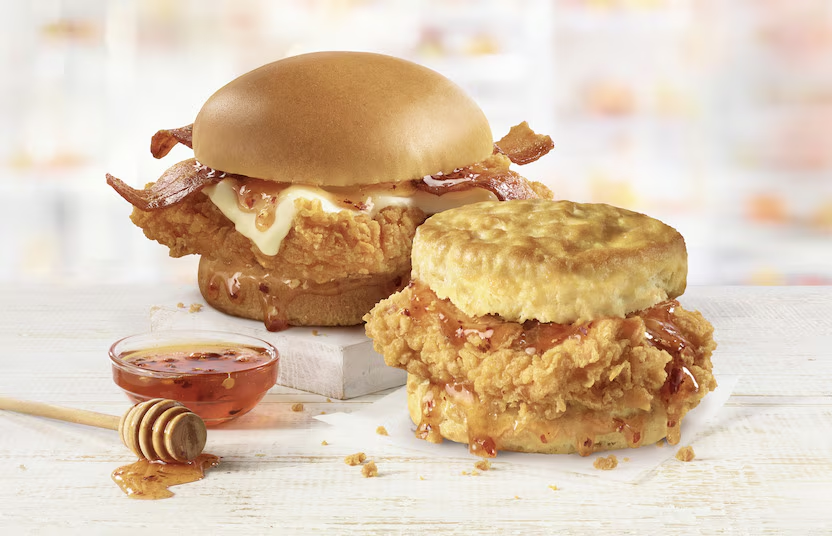
Food innovation is increasingly moving away from entirely new ingredients and toward the strategic layering of contrasting sensory experiences. One of the strongest examples is the continued rise of hot honey, which combines sweetness and heat into a flexible flavor platform that can be applied across categories, occasions, and products. What began as a condiment has evolved into an innovation ecosystem spanning pizza, chicken, snacks, beverages, desserts, and packaged goods.
The commercial success of hot honey demonstrates a broader shift toward contrast-led flavor innovation. Consumers increasingly seek products that deliver multiple sensory experiences simultaneously, creating novelty without requiring unfamiliar ingredients or behaviors. This approach allows brands to generate excitement while remaining accessible to mainstream audiences.
For innovation leaders, the opportunity extends beyond food. The underlying principle is that consumers increasingly respond to products that combine seemingly opposing attributes into a single experience. Hot honey represents a repeatable innovation model rather than a single flavor trend.
Key Business Implication: Contrast-led innovation is emerging as a scalable growth strategy capable of extending categories, increasing consumer trial, and creating new product platforms.
Trend Overview: Flavor Contrast Is Becoming A Product Development Strategy
Consumers increasingly gravitate toward products that deliver multiple sensory experiences simultaneously. Sweet and spicy combinations, often described as "swicy," have become one of the strongest examples of this shift. Hot honey's rise demonstrates how contrasting flavors can create novelty while remaining familiar and approachable.
Unlike many food trends that remain limited to a specific category, hot honey has successfully expanded across restaurants, packaged goods, beverages, snacks, and retail products. Its versatility allows brands to refresh existing products without requiring entirely new consumption behaviors.
As a result, flavor contrast is evolving from a culinary technique into a broader innovation framework.
Trend Classification Framework: Connecting Sensory Novelty, Consumer Curiosity, And Scalable Innovation
Layer | Trend Name |
Macro Trend | Experience Intensification |
Consumer Trend | Sensory Exploration |
Behavioral Trend | Contrast Seeking |
Innovation Trend | Flavor Layering |
This framework illustrates how consumers increasingly seek richer and more multidimensional product experiences.
Trend Score: Contrast-Led Flavor Innovation Is Becoming A Growth Accelerator
Dimension | Score |
Consumer Impact | 9/10 |
Business Impact | 9/10 |
Innovation Potential | 9/10 |
Growth Momentum | 10/10 |
Long-Term Relevance | 8/10 |
Overall Trend Score: 9.0/10
The trend demonstrates strong momentum because it combines mainstream accessibility with continuous opportunities for innovation and category expansion.
Opportunity Size Assessment: One Flavor Platform Can Extend Multiple Categories
Dimension | Score |
Adoption Level | 9/10 |
Commercial Potential | 10/10 |
Disruption Potential | 7/10 |
Investment Priority | 9/10 |
The opportunity lies in creating adaptable flavor systems that can travel across categories rather than developing isolated products.
Innovation Horizon: Flavor Platforms Are Expanding Beyond Individual Products
Horizon | Outlook |
0–2 Years | Continued expansion of sweet-spicy flavor combinations |
3–5 Years | Growth of contrast-based innovation across multiple food categories |
5+ Years | Flavor platforms become strategic intellectual property assets |
Brands will increasingly compete through flavor ecosystems rather than standalone products.
Key Drivers: Sensory Novelty, Product Versatility, Social Sharing, And Category Expansion Are Converging
Driver 1: Consumers Want More Complex Sensory Experiences
Products that deliver multiple sensations create stronger engagement and memorability.
Driver 2: Familiar Ingredients Reduce Adoption Risk
Consumers are willing to experiment when innovation remains anchored in recognizable flavors.
Driver 3: Social Media Rewards Unexpected Combinations
Contrasting flavors generate curiosity, discussion, and trial behavior.
Driver 4: Brands Need Efficient Innovation Platforms
Flavor systems allow companies to refresh multiple categories simultaneously.
Consumer Mindset: Consumers Want Familiar Products With Unexpected Twists
Consumers increasingly seek products that surprise them without requiring major behavioral change. The combination of sweetness and heat creates a sense of discovery while remaining approachable and familiar.
Rather than choosing between comfort and novelty, consumers increasingly expect both within a single product experience.
Key Behavioral Patterns: Exploration, Layering, And Flavor Experimentation Drive Adoption
Seeking multi-sensory experiences.Consumers increasingly value products that deliver more than one sensation.
Experimenting with familiar foods.New flavor combinations encourage trial without introducing unfamiliar ingredients.
Sharing unexpected discoveries.Unique flavor experiences generate social conversation and recommendation.
Applying one flavor across multiple occasions.Consumers increasingly use products across meals, snacks, and beverages.
Rewarding versatility.Adaptable products often achieve longer-term relevance than single-use innovations.
Strategic Implications: Flavor Platforms Are Becoming Innovation Platforms
Strategic Implication 1: Contrast Creates Stronger Consumer Attention
Combining opposing sensations can increase memorability and trial.
Strategic Implication 2: Versatility Extends Product Lifecycles
Products that work across multiple categories create larger growth opportunities.
Strategic Implication 3: Familiarity Accelerates Adoption
Consumers embrace innovation more easily when anchored in known ingredients.
Strategic Implication 4: Flavor Systems Can Become Strategic Assets
Brands can build entire portfolios around successful flavor platforms.
Industry Applications: Contrast-Led Innovation Extends Beyond Food
Food And Beverage: Flavor Layering Creates New Consumption Occasions
Sweet-spicy combinations continue expanding into new categories.
Packaged Goods: Existing Products Gain New Relevance
Flavor platforms can refresh mature product lines with minimal reformulation.
Restaurants: Signature Flavor Systems Create Differentiation
Operators can build recognizable identities around adaptable flavor concepts.
Retail: Discovery Drives Purchase Behavior
Unexpected combinations encourage impulse purchases and experimentation.
Consumer Goods: Contrast Principles Expand Beyond Taste
The same innovation logic can apply to fragrance, beauty, wellness, and lifestyle products.
Innovation Opportunities: Turning Flavor Contrast Into A Repeatable Growth Engine
Platform-based flavor development.One successful flavor system can support multiple product launches.
Multi-category expansion programs.Brands can scale innovation faster across portfolios.
Consumer-led flavor experimentation.Communities can help identify emerging combinations.
Limited-edition contrast launches.Temporary products can test demand before larger investments.
AI-assisted flavor discovery.Data can identify promising sensory combinations.
Flavor ecosystem partnerships.Collaborations can accelerate category expansion.
The greatest opportunity lies in treating flavor combinations as innovation platforms rather than individual products.
Strategic Risks: Platform Expansion Must Avoid Overextension
Consumer fatigue.Excessive expansion can reduce novelty and differentiation.
Flavor saturation.Competitors may quickly replicate successful combinations.
Platform dilution.Expanding too broadly can weaken brand association.
Trend dependency.Overreliance on a single flavor system creates concentration risk.
Category mismatch.Not every application will resonate equally with consumers.
Recommended Actions: Monitor Flavor Signals, Experiment With Contrast, And Invest In Platform Thinking
Monitor: Emerging Sensory Combinations Across Categories
Growth of sweet-spicy products.These combinations often signal broader sensory preferences.
Consumer experimentation patterns.User behavior can reveal future flavor opportunities.
Cross-category flavor migration.Successful concepts frequently spread across industries.
Experiment: Build Innovation Around Contrast
Test opposing sensory combinations.Contrasts often create stronger consumer engagement.
Explore platform expansion opportunities.One successful idea can support multiple launches.
Prototype limited-edition concepts.Smaller tests reduce innovation risk.
Invest: Build Flavor Platform Capabilities
Consumer sensory intelligence systems.Better insights improve innovation effectiveness.
Rapid product development processes.Speed helps capitalize on emerging opportunities.
Cross-category innovation teams.Diverse perspectives improve recombination opportunities.
Questions For Innovation Teams: Understanding The Future Of Contrast-Led Innovation
Which sensory combinations remain underdeveloped?Untapped contrasts may reveal future growth opportunities.
How can one innovation platform support multiple categories?Scalability increases long-term value.
Which combinations balance familiarity and novelty best?Adoption often depends on this balance.
How can brands create proprietary flavor ecosystems?Ownership creates competitive advantage.
Which categories are most receptive to sensory experimentation?Early adoption often predicts future expansion.
What role can AI play in flavor discovery?Technology may accelerate innovation cycles.
Key Takeaway: Flavor Platforms Are Becoming Innovation Platforms
The rise of hot honey demonstrates that successful innovation increasingly comes from combining familiar elements in unexpected ways. Rather than inventing entirely new ingredients, brands are creating growth through contrast, layering, and sensory recombination.
Organizations that treat flavor combinations as scalable innovation platforms rather than isolated products may unlock faster, lower-risk pathways to growth.
Final Synthesis: Contrast-Led Innovation Is Reshaping Product Development
Dimension | Trend Name | Summary |
Social Trend | Experience Intensification | Consumers increasingly seek richer and more stimulating product experiences. |
Consumer Motivation | Sensory Exploration | Consumers want novelty without abandoning familiarity. |
Industry Trend | Flavor Platform Expansion | Successful flavor systems increasingly spread across multiple categories. |
Business Model Trend | Platform-Based Product Growth | One innovation can generate multiple revenue opportunities across a portfolio. |
Strategic Direction | Contrast-Led Innovation | Combining opposing attributes creates differentiation and consumer interest. |
Innovation Focus | Flavor Layering | Product development increasingly centers on sensory recombination and experience design. |


Comments