


Jelly Beauty Turns Texture And Glow Into The New Standard Of Skin-Led Makeup Expression
- InsightTrendsWorld

- Apr 1
- 12 min read
Sensory Textures And Skin-First Aesthetics Are Transforming Beauty Into A Fresh, Juicy Experience
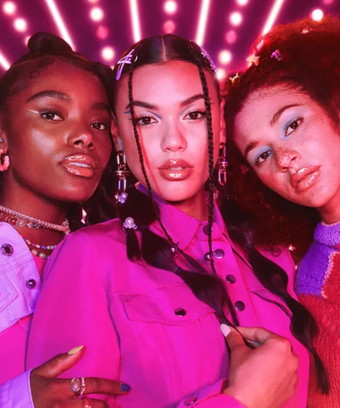
Jelly beauty and skincare are emerging as a defining shift in how beauty is experienced, moving beyond traditional matte finishes and heavy coverage. Originating from K-beauty, the trend emphasizes plump, hydrated, and glowing skin that looks fresh, touchable, and naturally radiant. Rather than hiding shine, jelly beauty embraces gloss, bounce, and translucency as key visual markers of health and vitality. This marks a departure from perfection-driven beauty standards toward a more playful, sensory-driven aesthetic. As a result, makeup and skincare are becoming more about enhancing natural texture than masking it.
At the same time, jelly beauty is redefining how products feel as much as how they look, placing strong emphasis on texture and sensory experience. Lightweight, bouncy formulations create a “wet look” without heaviness, making skin appear hydrated and alive. Products like jelly blush and lip oils blend seamlessly into the skin, creating a glass-like finish that reflects light naturally. This creates a hybrid space between skincare and makeup, where glow, hydration, and visual appeal are interconnected. Ultimately, beauty becomes less about coverage and more about creating a fresh, luminous, and effortless appearance.
Why The Trend Is Emerging: Skin Health, Sensory Appeal, And K-Beauty Influence Are Redefining Beauty Standards
The rise of jelly beauty is closely tied to a broader shift toward skin-first beauty philosophies that prioritize health, hydration, and natural radiance. Consumers are increasingly moving away from heavy, full-coverage makeup in favor of lighter, more breathable alternatives. At the same time, the global influence of K-beauty continues to shape expectations around skincare and finish. Social media platforms like TikTok and Instagram are accelerating the visibility of glossy, dewy aesthetics that perform well visually. This convergence of skincare, texture, and digital influence is driving the rapid adoption of jelly-based products.
Additionally, the trend reflects a deeper desire for beauty routines that feel enjoyable, tactile, and emotionally engaging. Texture is becoming a key differentiator, with consumers drawn to products that feel unique and playful. The appeal of “juicy” and “bouncy” skin taps into a sensory language that is both visual and experiential. Brands are responding by creating hybrid products that blur the line between skincare and makeup. As a result, jelly beauty is positioned not just as a trend, but as a new direction for the category.
• K-beauty global influence: South Korean beauty trends continue to set standards for skin-first, glow-focused aesthetics worldwide.
• Shift toward skin health: Consumers prioritize hydration, plumpness, and natural radiance over heavy coverage.
• Texture-driven innovation: Jelly formulations offer a unique sensory experience that differentiates products.
• Social media amplification: Glossy, luminous skin performs strongly on visual platforms, driving adoption.
• Hybrid product evolution: Makeup and skincare are merging into multifunctional, skin-enhancing products.
• Rejection of matte finishes: Consumers are moving away from flat, dry looks toward hydrated, dewy skin.
• Playful beauty culture: Trends emphasize fun, experimentation, and emotional engagement.
• Accessibility of glow: Products allow consumers to achieve high-impact looks with minimal effort.
• Ingredient transparency focus: Hydrating and skin-beneficial ingredients are becoming key selling points.
• Desire for effortless beauty: Consumers seek routines that are simple yet effective in delivering results.
These drivers show that jelly beauty is rooted in both functional and emotional shifts within the beauty industry. It highlights how performance, experience, and visual appeal are converging into a single expectation.
Virality of Trend (Social Media Coverage):Jelly beauty gains traction because its glossy, bouncy finish is highly visual and instantly noticeable in short-form content. The transformation effect—from dull to glowing—makes it ideal for tutorials, before-and-after videos, and product demonstrations.
Where it is seen (in what industries):
Cosmetics: Brands launching jelly blushes, lip oils, and gloss-based products.
Skincare: Hydrating, gel-based formulations emphasizing plump and radiant skin.
Beauty Retail: Highlighting texture-driven products as trend leaders.
Social Media & Influencers: Tutorials showcasing “glass blush” and “jelly lips.”
K-Beauty Brands: Leading innovation and setting global standards for the trend.
The presence of jelly beauty across both makeup and skincare shows its hybrid nature and broad applicability. This cross-category adoption strengthens its position as a long-term shift rather than a temporary trend.
Insight: Texture And Glow Are Redefining Beauty As A Sensory And Visual Experience
This shift signals that beauty is no longer defined solely by appearance but by how products feel and perform on the skin. It matters because it introduces a new dimension of engagement where texture becomes as important as finish. It creates value by enhancing both the visual outcome and the user experience, making routines more enjoyable and immersive. Over time, brands that successfully combine sensory appeal with skin benefits will lead in both innovation and consumer preference.
Description Of The Consumers: Skin-First And Experience-Driven Audiences Are Redefining Beauty Expectations
Modern beauty consumers are increasingly focused on achieving healthy, radiant skin rather than masking imperfections. They are shifting away from traditional makeup ideals that prioritize coverage and precision toward more natural, effortless finishes. This audience is highly influenced by digital platforms, where glowing, dewy skin has become a dominant visual standard. As a result, consumers are developing a preference for products that enhance rather than conceal. Jelly beauty resonates strongly because it aligns with this desire for freshness, authenticity, and visible skin health.
At the same time, these consumers are highly engaged with the sensory aspects of beauty products, valuing how formulas feel as much as how they perform. They are drawn to textures that feel lightweight, hydrating, and interactive, creating a more enjoyable application experience. This reflects a broader shift toward beauty as a ritual rather than a routine. Consumers are also more informed, paying attention to ingredients and skincare benefits within makeup products. This combination of awareness and curiosity is driving demand for hybrid formulations like jelly-based products.
• Skin-first mindset: Consumers prioritize hydration, glow, and skin health over heavy coverage.
• Preference for natural finishes: Radiant, dewy skin is favored over matte and structured looks.
• Texture-conscious behavior: Consumers are attracted to products with unique, tactile formulations.
• Digital influence: Social media shapes expectations around glowing and “glass-like” skin.
• Hybrid product interest: Demand for makeup that delivers skincare benefits is increasing.
• Younger demographic leadership: Gen Z and millennials are driving adoption of glow-focused trends.
• Routine simplification: Consumers prefer products that deliver multiple benefits in one step.
• Ingredient awareness: Hydrating and skin-friendly components influence purchasing decisions.
• Experimentation culture: Consumers enjoy trying new textures and formats.
• Emotional connection to products: Enjoyable application enhances brand loyalty and repeat use.
These behaviors show that consumers are redefining beauty around health, experience, and authenticity. This shift is pushing brands to rethink both product design and communication strategies.
Insight: Consumers Are Redefining Beauty Through Skin Health And Sensory Experience
This shift highlights how beauty is becoming more holistic, blending skincare, makeup, and emotional experience into a single category. It matters because it changes how products are evaluated, placing equal importance on performance and feel. It creates value by increasing engagement, satisfaction, and long-term loyalty. Over time, brands that successfully combine visible results with enjoyable textures will dominate consumer preference.
Main Audience Motivation: Consumers Seek Freshness, Glow, And Effortless Beauty Through Sensory Products
Consumer motivation in beauty is increasingly centered around achieving a fresh, radiant look with minimal effort. People want products that enhance their natural features rather than transform them completely. At the same time, there is a growing desire for beauty routines that feel enjoyable and interactive. This creates a demand for products that deliver both visual results and sensory satisfaction. Jelly beauty fulfills this need by combining glow, hydration, and playful textures in a single experience.
This motivation is also shaped by the desire for efficiency and simplicity in daily routines. Consumers are moving away from multi-step processes toward streamlined approaches that still deliver strong results. They are looking for products that feel intuitive and easy to use while still offering a premium experience. At the same time, they want their beauty choices to feel modern and trend-aware. This balance between simplicity and novelty is what makes jelly beauty particularly appealing.
• Desire for effortless glow: Consumers want radiant skin without complex routines or heavy products.
• Natural enhancement focus: Emphasis on improving rather than covering the skin.
• Sensory enjoyment: Products that feel smooth, bouncy, and lightweight enhance the experience.
• Time efficiency: Simplified routines that still deliver visible results are highly valued.
• Playful experimentation: Consumers enjoy trying new textures and formats.
• Social-ready appearance: Glow-focused looks perform well in digital environments.
• Hydration-driven beauty: Moisture and plumpness are key visual and functional goals.
• Comfort-first approach: Lightweight formulas are preferred over heavy or cakey finishes.
• Trend participation: Consumers want to feel aligned with current beauty movements.
These motivations show that beauty is increasingly driven by a balance of function, emotion, and identity. This elevates products from tools to experiences that consumers actively engage with.
Insight: Beauty Is Becoming An Experience-Led Category Driven By Simplicity And Sensory Appeal
Consumers are no longer seeking just effectiveness but enjoyment and ease in their routines. It matters because it shifts product development toward creating experiences rather than just results. It creates value by increasing satisfaction, repeat use, and emotional connection. In the long term, brands that combine simplicity with sensory richness will capture stronger engagement and loyalty.
Trends 2026: Texture-Led Beauty And Skin-First Innovation Are Redefining Category Direction
Beauty in 2026 is shifting toward texture-driven innovation, where how a product feels is just as important as how it looks. This evolution reflects a broader move toward skin-first beauty, where makeup enhances rather than conceals. At the same time, consumers are embracing lightweight, hydrating formulations that deliver both visual glow and skincare benefits. The rise of jelly textures fits perfectly into this direction, offering a unique combination of performance and sensory appeal. As a result, beauty is becoming more experiential, hybrid, and intuitive.
This transformation is not just about aesthetics but about how products are designed and used. Brands are focusing on multi-functional formats that blur the line between skincare and makeup. Consumers are also becoming more open to non-traditional textures, moving beyond powders and creams into gel-like formulations. Accessories and application techniques are evolving to support these textures, making the trend more accessible. This allows the trend to scale across both mass and luxury segments. Ultimately, jelly beauty is becoming part of a broader shift toward flexible and adaptable beauty systems.
• What is influencing the shift: Growing demand for hydration, skin health, and natural radiance is shaping product development.
• Macro trends: Skin-first beauty, hybrid formulations, and experience-driven routines are redefining the category.
• Innovation: Jelly textures, lip oils, and gel-based blushes are introducing new sensory dimensions.
• Differentiation: Unique textures and finishes create distinct visual identity and product appeal.
• Execution: Lightweight, blendable formulas allow easy adoption across different skill levels.
These elements show that beauty is evolving into a multi-sensory system where feel, function, and finish are interconnected. This shift enables brands to create more engaging and adaptable product experiences.
Beauty trends are increasingly interconnected, combining formulation innovation, consumer behavior, and digital influence into unified systems. Jelly beauty represents not just a product trend but a shift in how beauty is conceptualized and experienced. Each layer contributes to a broader transformation toward glow-focused, sensory-driven beauty.
Trend Table: From Matte Perfection To Texture-Driven Glow Beauty
Trend Name | Description (Insight-Led Explanation) | Strategic Implications |
Main Trend: “Jelly Beauty” | Gel-like textures create a bouncy, hydrated, and glossy finish that enhances natural skin. | Drives product innovation and repeat usage |
Social Trend: “Glow Culture” | Radiant, dewy skin becomes the dominant visual standard across platforms. | Increases shareability and desirability |
Industry Trend: “Hybrid Beauty Systems” | Makeup and skincare merge into multi-functional products with dual benefits. | Expands product value and usage occasions |
Main Strategy: “Texture Differentiation” | Brands compete through unique sensory experiences and innovative formulations. | Strengthens brand identity and positioning |
Main Consumer Motivation: “Effortless Freshness” | Consumers seek simple routines that deliver visible glow and hydration. | Increases accessibility and adoption |
Related Trend 1: “K-Beauty Influence” | Korean beauty standards continue to shape global expectations for skin appearance. | Sets direction for innovation |
Related Trend 2: “Sensory Beauty” | Products are designed for touch, feel, and experience, not just results. | Enhances emotional engagement |
Related Trend 3: “Visual Transformation Content” | Before-and-after glow effects drive viral content formats. | Boosts organic reach and discovery |
Texture And Glow Are Becoming The Core Growth Drivers In Beauty Innovation
These trends collectively show that beauty is shifting toward experience-led and texture-driven systems. It matters because it changes how brands differentiate, focusing on sensory appeal and skin benefits rather than just coverage. It creates value by enabling continuous product evolution without requiring entirely new categories. Moving forward, brands that master texture innovation and glow performance will lead in relevance, engagement, and long-term growth.
Final Insights: Texture, Glow, And Skin Health Are Redefining Competitive Advantage In Beauty
Beauty is entering a phase where experience, texture, and skin performance are becoming central to how products are evaluated. Consumers are no longer focused solely on coverage or correction, but on how products enhance, feel, and interact with the skin. This shift is pushing brands to rethink product development, moving toward multi-functional, sensory-driven formulations. Jelly beauty exemplifies how a single innovation—texture—can redefine both application and outcome. As a result, beauty is evolving into a category where performance and experience are inseparable.
• Texture as differentiation: Unique formulations like jelly create a distinct sensory and visual identity.
• Skin-first positioning: Products are designed to improve and enhance skin health, not mask it.
• Hybrid functionality: Makeup and skincare combine into multi-benefit products.
• Experience-led consumption: Application becomes part of the emotional value of the product.
• Continuous innovation cycles: Small formulation changes enable ongoing product evolution.
These shifts indicate that competitive advantage is increasingly driven by how products feel and perform together, not separately. Brands that align sensory experience with visible results will create stronger engagement and long-term loyalty.
Insight: Sensory Innovation Is Becoming The Foundation Of Long-Term Beauty Growth
This transformation highlights how texture and experience are evolving into core pillars of innovation rather than secondary features. It matters because it shifts product development toward multi-dimensional performance, combining feel, function, and finish. It creates value by increasing consumer satisfaction, memorability, and repeat usage. Over time, brands that prioritize sensory engagement alongside skin benefits will lead in both innovation and preference.
Insights Beauty is evolving into a sensory-driven category where texture, glow, and skin health define value beyond traditional performance. This shift shows that experience and outcome are becoming equally important in product design.Industry Insight Brands are moving toward hybrid formulations that combine skincare and makeup, reshaping how products are developed and positioned. This creates more flexible and scalable innovation models.Consumer Insight Consumers prioritize effortless glow, hydration, and comfort, seeking products that enhance rather than mask their natural appearance. This increases demand for intuitive, skin-first solutions.Social Insight Glossy, radiant finishes perform strongly on digital platforms, accelerating trend visibility and adoption through visual content. This reinforces the importance of designing for shareability.Cultural/Brand Insight Brands that successfully combine sensory appeal with skin benefits become part of everyday routines rather than occasional use. This positions them as essential, experience-driven products.
Innovation Platforms: Texture Systems And Hybrid Formulations Are Enabling Scalable Beauty Innovation
Beauty brands are increasingly building formulation systems that allow continuous innovation through texture and performance. Instead of relying on entirely new product categories, they are evolving existing ones through new formats and sensory experiences. This approach allows brands to innovate faster while maintaining familiarity. Jelly textures are particularly effective because they can be applied across multiple products, from blush to lip gloss. As a result, innovation becomes more modular, scalable, and repeatable.
• Texture-based formulation systems: Products are designed around sensory experience as a core feature.
• Hybrid product development: Combining skincare and makeup enables multi-functional benefits.
• Category extension strategy: Jelly formats are applied across multiple product types.
• Accessible innovation: Lightweight, easy-to-use products lower barriers to adoption.
• Consumer feedback loops: Trends evolve through real-time digital interaction and testing.
These platforms show that innovation is becoming more structured and scalable rather than experimental and isolated. This allows brands to continuously evolve while maintaining consistency and efficiency.
Insight: Texture Platforms Are Enabling Continuous And Scalable Beauty Innovation
This shift highlights how formulation systems are becoming the foundation of long-term innovation. It matters because it allows brands to adapt quickly without increasing complexity. It creates value by enabling faster iteration, stronger differentiation, and sustained engagement. In the long term, brands that build strong texture platforms will be able to innovate consistently while maintaining clarity in their product offering.
Cross-Industry Expansion: Sensory Experiences And Texture Innovation Are Reshaping Consumer Categories
The influence of jelly beauty extends beyond cosmetics into a broader sensory-driven consumer landscape. Industries such as skincare, wellness, and even food-inspired beauty concepts are adopting similar principles of texture, freshness, and experiential appeal. This reflects a larger shift where products are designed not only for function but for engagement and interaction. Consumers are increasingly drawn to products that stimulate multiple senses and feel enjoyable to use. As a result, jelly-inspired formats are becoming part of a wider movement across industries.
• Trend: Products are evolving toward multi-sensory experiences rather than single-function performance.
• Why: Consumers seek engagement, novelty, and emotional connection in everyday routines.
• Impact: Increased product interaction, loyalty, and repeat usage.
• Industries: Beauty, skincare, wellness, and lifestyle categories are all influenced.
• Strategy: Focus on texture, experience, and hybrid functionality.
• Consumers: Experience-driven audiences who value feel, simplicity, and visual appeal.
This expansion shows that texture-driven innovation is not limited to beauty but part of a broader consumer shift. It signals a future where experience becomes the primary driver of value across categories.
Insight: Sensory Experience Is Becoming A Cross-Category Driver Of Engagement And Growth
This transformation highlights how texture and interaction are becoming universal drivers of consumer engagement. It matters because it changes how products are designed across industries, prioritizing experience alongside performance. It creates value by increasing emotional connection and frequency of use. Ultimately, brands that design for multi-sensory engagement will achieve stronger relevance and long-term growth.


Comments