
Technology: TikTok Reboot? Potential New App Looms for US Users Amidst Sale Saga
- InsightTrendsWorld

- Jul 9, 2025
- 13 min read
Why It Is the Topic Trending: Uncertainty and Change for Millions of TikTok Users
Forced Sale Requirement: A US law mandates TikTok's parent company, ByteDance, to sell the platform's US operations or face a ban due to national security concerns.
Deadline Approaching: ByteDance has until September 17th to finalize a sale.
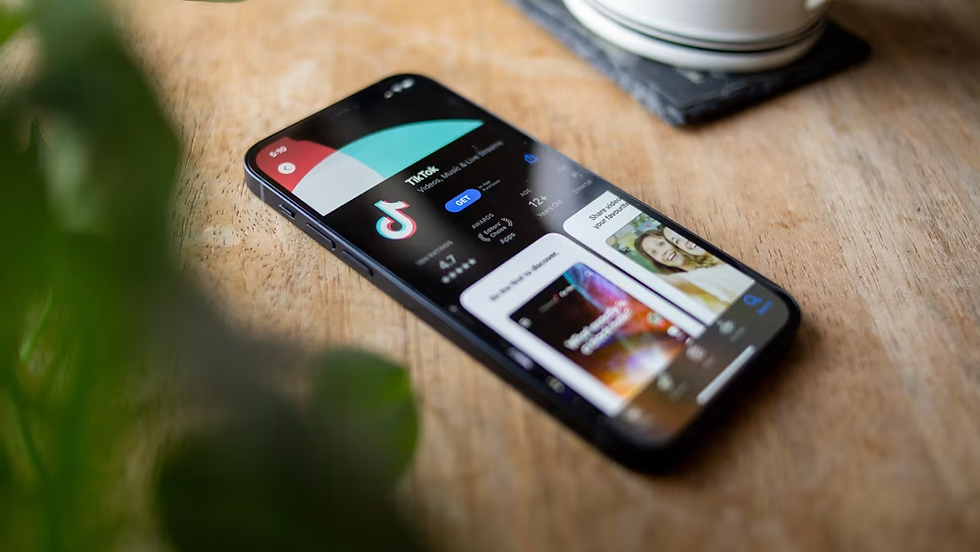
Report of a New App: News outlets are reporting that TikTok is developing a new, separate app specifically for US users, potentially launching as soon as September 5th.
Algorithm Uncertainty: The Chinese government is expected to block the transfer of TikTok's current algorithm, meaning a new US app would likely need its own, potentially built from scratch.
Significant User Impact: Any changes, including a new app and a separate algorithm, could drastically alter the experience for TikTok's 170 million American users.
Overview: US TikTok Users May Face a New App and Experience
The ongoing pressure for TikTok's US operations to be sold by its Chinese parent company, ByteDance, to avoid a US ban is potentially leading to a significant change for its 170 million American users. Reports indicate that TikTok is actively developing a new version of the app specifically for the United States, which could launch in early September. This development is largely due to the anticipated refusal of the Chinese government to allow the transfer of TikTok's highly successful algorithm to a new owner. A separate US app would necessitate its own algorithm and could result in a fundamentally different user experience, impacting content discovery, interactions with users in other countries, and potentially leading to user attrition.
Detailed Findings: Key Information About the Potential New TikTok App
New App Development: TikTok is reportedly building a new version of its app exclusively for the United States.
Potential Launch Date: The new app could launch as soon as September 5, 2025.
Removal of Current App: The existing TikTok app might be removed from US app stores on the same day the new app launches.
Grace Period for Existing App: US users might still be able to use the current app until March of next year.
Algorithm Separation: The new US app would likely require its own algorithm, as the Chinese government is expected to block the transfer of the current one.
Profile and Content Transfer Challenges: Transferring user profiles and content to the new app could present technical difficulties.
Impact on Cross-Border Content: A separate app could make it harder for US users to see content from users in other countries, and vice versa.
Potential User Exodus: The disruption caused by a new app could lead some users to leave the platform.
Shift in TikTok's Stance: TikTok previously claimed it would take many years to create a similar version of the app for US users, suggesting a change in their approach.
Forced Sale Deadline: ByteDance has until September 17th to sell TikTok's US operations or face a ban.
Buyer Interest: President Trump has stated there are "very wealthy" individuals interested in buying TikTok's US operations.
Chinese Government Approval Uncertainty: It remains unclear whether the Chinese government will approve any potential sale.
Compliance with US Law: A new app with a separate algorithm and segregated US user data would likely be necessary to comply with the US law.
Legal Expert Opinions Vary: Some legal experts question the Trump administration's handling of the law's enforcement and the assurances given to app store operators and cloud computing providers.
Key Success Factors of Product (Trend): Navigating the Complex TikTok Situation
Compliance with US Regulations: The development of a new app appears to be a move towards complying with the US government's demands for a sale and data security.
Maintaining User Base: TikTok likely aims to retain its large US user base despite the significant changes.
Preserving Core Functionality: The goal would be to create a new app that offers a similar core experience that users have come to expect from TikTok.
Addressing Security Concerns: Separating the US app and data aims to alleviate the national security concerns raised by the US government.
Facilitating a Sale: A ready-to-launch US app could make the acquisition process smoother for potential American buyers.
Key Takeaway: A Separate TikTok App for the US Seems Increasingly Likely
The complex situation surrounding TikTok's ownership in the US is pointing towards the development and potential launch of a new, separate app for American users, which would operate with its own algorithm and data management, fundamentally altering the platform experience.
Main Trend: Geopolitical Influence on Technology Platforms
The TikTok situation exemplifies a growing trend of geopolitical factors and national security concerns significantly impacting the operations and availability of global technology platforms.
Description of the Trend (The Geopolitics of Tech)
The trend of the geopolitics of tech refers to the increasing influence of governmental regulations, national security concerns, and international relations on the operation, ownership, and accessibility of technology platforms and services across different countries.
What Is Consumer Motivation: Why US Users Remain on TikTok Despite Uncertainty
Content Variety and Entertainment: TikTok's "For You" page algorithm is highly effective at delivering engaging and diverse content that keeps users entertained.
Creator Community: Many users are deeply invested in the creators they follow and the communities they have built on the platform.
Habit and Familiarity: After years of use, TikTok has become a habitual part of many users' daily routines.
Social Connection: TikTok provides a space for users to connect with friends, discover shared interests, and participate in online trends.
Potential for a Seamless Transition: Users may be hoping that a new app will allow for a smooth transfer of their profiles and content, minimizing disruption.
What Is Driving Trend: Factors Leading to Geopolitical Tech Regulations
National Security Concerns: Governments are increasingly concerned about the potential for foreign-owned technology platforms to collect user data and pose national security risks.
Data Privacy and Sovereignty: There is a growing emphasis on data privacy and the desire for countries to have control over the data of their citizens.
Trade and Economic Competition: Technology platforms have become major players in the global economy, leading to competition and tensions between nations.
Content Moderation and Censorship: Governments have concerns about the spread of misinformation and the potential for censorship on foreign-owned platforms.
Political Influence and Propaganda: There are fears that foreign governments could use technology platforms to influence public opinion and interfere in domestic affairs.
What Is Motivation Beyond the Trend: Broader Considerations for Social Media Users
Desire for Connection and Community: Social media platforms fulfill a fundamental human need for connection and belonging.
Seeking Information and Staying Informed: Many users rely on social media for news and information.
Creative Expression and Sharing: Platforms like TikTok provide outlets for users to express their creativity and share their lives with others.
Following Trends and Participating in Culture: Social media is a key driver of cultural trends and provides a way for users to participate in them.
Time Passing and Entertainment: Social media can be a way to pass time and find entertainment.
Description of Consumers Article is Referring: The US TikTok User
-Consumer Summary: The article refers to the 170 million American users of TikTok who are facing potential significant changes to their platform experience due to regulatory pressures and the likely introduction of a new, separate app. These users are accustomed to TikTok's algorithm-driven "For You" page and the vast array of content and creators it offers. They may experience disruption and potential limitations in their interactions with the global TikTok community if a new app is launched.
170 million users in the United States.
Currently use the existing global TikTok app.
Reliant on the "For You" page algorithm for content discovery.
Engage with a wide variety of content and creators.
May face a transition to a new, separate US-only app.
Could experience changes in content and cross-border interactions.
-Detailed summary (based on experience and article):
Who are them: A diverse range of individuals across different age groups, demographics, and interests within the United States who use TikTok for entertainment, information, and social connection.
What kind of products they like: Likely varies greatly depending on individual interests, but as TikTok is a content-driven platform, they primarily consume and engage with short-form video content. They may also purchase products promoted by creators or through TikTok's e-commerce features (if available in the US in the future).
What is their age?: While TikTok is popular across age groups, it has a significant user base among younger demographics, including teenagers and young adults.
What is their gender?: Likely a relatively even distribution across genders.
What is their income?: Varies widely across the large user base.
What is their lifestyle: Tend to be digitally connected and active on social media platforms. Many use TikTok for entertainment during their free time.
What are their shopping preferences in the category article is referring to: Not directly applicable as the article is about the platform itself. However, as social media users, they are likely exposed to and potentially influenced by advertising and creator recommendations on the platform.
Are they low, occasional or frequent category shoppers: Frequent users of the TikTok app, with many likely engaging with the platform daily or multiple times a day.
What are their general shopping preferences-how they shop products, shopping motivations): As a broad user base, their general shopping preferences and motivations will vary greatly. However, their use of a platform like TikTok suggests they are likely influenced by online trends and recommendations.
Conclusions: US TikTok Users Face an Uncertain Future with Potential App Changes
The likely separation of TikTok's US operations into a new, distinct app marks a significant development in the ongoing saga of geopolitical influence on technology. For the 170 million American users, this could mean a notable shift in their platform experience, from the algorithm that powers their content feed to their ability to connect with the global TikTok community. The coming months will be crucial in determining the exact nature and impact of these changes.
Implications for Brands: Navigating a Potentially Fragmented TikTok Landscape
Need to Adapt to a New Algorithm: Brands that rely on TikTok for marketing and advertising in the US will need to understand and adapt to a potentially different algorithm on a new US app.
Separate US Strategy: Companies may need to develop a distinct content and engagement strategy for the US TikTok audience compared to their global approach.
Potential Audience Fragmentation: If some users choose not to migrate to a new app, brands might see a fragmentation of their existing US audience.
Opportunity for New Influencers: A new app could lead to the rise of new popular creators within the US-specific ecosystem.
Implication for Society: The Debate Over Data Security and Platform Governance Continues
The TikTok situation continues to fuel the broader societal debate about data security, platform governance, and the influence of foreign governments on popular technology platforms operating within national borders.
Implications for Consumers: Potential Disruption and Change in a Favorite Platform
US TikTok users face potential disruption to their online habits and the way they consume and engage with short-form video content. They may need to adapt to a new app, a different algorithm, and potentially altered connection with the global TikTok community.
Implication for Future: Increased Scrutiny of Global Tech Platforms
The TikTok scenario will likely serve as a precedent for increased scrutiny and potential regulatory action against other global technology platforms that raise national security or data privacy concerns within various countries.
Consumer Trend (Platform Migration Uncertainty): US TikTok users face uncertainty and potential migration to a new, separate app, which could impact their social media habits and online communities.
Consumer Sub Trend (Algorithm Dependence for Content Discovery): US TikTok users are heavily reliant on the platform's algorithm for discovering content, and a new algorithm could significantly alter their experience.
Big Social Trend (The Fragmentation of the Global Internet): Geopolitical pressures are contributing to a trend of the global internet becoming more fragmented, with different regions potentially having access to different versions of the same platforms or entirely separate services.
Worldwide Social Trend (Global Regulatory Scrutiny of Tech): The TikTok situation reflects a broader global trend of increased regulatory scrutiny of large technology companies, particularly those with international ties.
Social Drive (Balancing National Security with User Experience): Governments are grappling with balancing national security concerns related to technology platforms with the desire to maintain a positive and accessible user experience for their citizens.
Learnings for Brands to Use in 2025: Preparing for Potential Platform Shifts
Monitor Regulatory Developments: Stay informed about any further developments regarding TikTok and potential regulations impacting other global tech platforms.
Develop Contingency Plans: Have alternative marketing and engagement strategies in place in case of significant changes to major social media platforms.
Diversify Platform Presence: Avoid over-reliance on a single platform for reaching your target audience and maintain a presence across multiple relevant channels.
Focus on Content Quality: High-quality, engaging content will likely remain valuable regardless of the platform.
Strategic Recommendations for Brands to Follow in 2025: Adapting to the Evolving Social Media Landscape
Invest in Understanding New Algorithms: If a new US TikTok app launches, dedicate resources to quickly understanding how its algorithm works to optimize content for reach and engagement.
Engage with Users on Multiple Platforms: Encourage your TikTok audience to follow you on other social media platforms to maintain connection during any transition.
Be Prepared for Potential Data Migration Challenges: If migrating to a new app, be ready to rebuild audience insights and adapt your targeting strategies.
Final sentence (key concept) describing main trend from article (which is a summary of all trends specified), and what brands & companies should do in 2025 to benefit from trend and how to do it.
The core trend is the increasing geopolitical influence on global technology platforms, and in 2025, brands and companies operating in the US need to closely monitor the situation with TikTok and be prepared to adapt their social media strategies to navigate potential platform changes and maintain connection with their audience.
Final Note:
Core Trend: Geopolitical Influence on Tech Platforms: The growing impact of government regulations and national security concerns on global technology operations.
Core Strategy: Platform Adaptability and Diversification: Brands need to be agile and prepared to adapt their strategies and maintain a presence across multiple platforms.
Core Industry Trend: Regulatory Uncertainty in the Tech Sector: The technology sector faces increasing regulatory scrutiny and uncertainty due to national security and data privacy concerns.
Core Consumer Motivation: Seeking Consistent and Uninterrupted Platform Experiences: Users desire a seamless and consistent experience on their favorite social media platforms, and disruptions can lead to frustration and platform migration.
Final Conclusion: Navigating the Shifting Sands of Global Tech Regulation
The unfolding situation with TikTok in the United States underscores the complex interplay between technology, national security, and international relations in the digital age. The potential emergence of a new, US-specific TikTok app highlights the significant challenges and uncertainties faced by global technology companies operating across borders. For brands and content creators, this evolving landscape necessitates a flexible and adaptable approach to their social media strategies, emphasizing the importance of monitoring regulatory developments and diversifying their platform presence to effectively engage with their target audiences amidst potential disruptions and shifts in the digital ecosystem.
Core Trend Detailed: The Digital Border War: Geopolitics Reshapes Tech Landscapes
The core trend highlighted by the TikTok situation is the increasing and significant impact of geopolitical tensions and national security considerations on the global technology landscape. This signifies a departure from a relatively borderless internet era towards one where national interests and security concerns are playing an increasingly dominant role in dictating the operations, ownership, and accessibility of technology platforms. Governments worldwide are becoming more assertive in regulating and scrutinizing foreign-owned tech companies, leading to potential fragmentation of the digital sphere and significant implications for both users and businesses.
Key Characteristics of the Core Trend: Decoding the Geopolitics of Tech
National Security Prioritization: Governments are placing a higher priority on national security concerns related to data privacy, censorship, and potential influence from foreign entities via technology platforms.
Regulatory Fragmentation: This trend leads to increased regulatory divergence across different countries and regions, making it more complex for global tech companies to operate seamlessly.
Data Sovereignty Emphasis: Nations are increasingly asserting their right to control and protect the data of their citizens within their own borders, leading to requirements for data localization and separation.
Economic and Strategic Competition: Technology platforms are viewed as strategic assets in global economic competition, leading to protectionist measures and government intervention.
Evolving International Relations: Shifting alliances and heightened tensions between countries directly impact the operating environment for multinational technology corporations.
Market and Cultural Signals Supporting the Trend: Evidence of Tech's Geopolitical Landscape
Government Bans and Restrictions on Tech Platforms: Numerous examples exist globally of countries banning or restricting access to specific foreign-owned technology platforms due to security or political concerns.
Increased Regulatory Scrutiny of Big Tech: Governments around the world are implementing stricter regulations regarding data privacy, antitrust, and content moderation for major technology companies.
Emphasis on Domestic Tech Development: Nations are investing in fostering their own domestic technology industries to reduce reliance on foreign platforms and enhance national security.
Debates Around Data Localization and Transfer: Ongoing discussions and implementation of policies requiring data to be stored and processed within a country's borders.
Public Opinion and Political Discourse: Public and political discourse increasingly reflects concerns about the influence and potential risks associated with foreign-owned technology.
How the Trend Is Changing Consumer Behavior: Navigating a Fragmented Digital World
Potential Need to Adapt to Different Platform Versions: Users in different countries might face using separate versions of the same app with potentially different features and content.
Concerns About Data Privacy and Security: Consumers are becoming more aware of and concerned about where their data is stored and how it is being used by global tech platforms.
Possible Limitations on Cross-Border Interactions: Geopolitical regulations can restrict the ability of users in different countries to connect and share content on the same platforms.
Increased Awareness of Digital Sovereignty: Consumers may become more conscious of the national origins and governance structures of the technology platforms they use.
Potential for Platform Migration Based on Geopolitical Factors: Users might choose to switch to alternative platforms that are perceived as more aligned with their national or political values.
Implications Across the Ecosystem: Remaking the Digital Order
For Brands and CPGs: Requires navigating a more complex and fragmented global digital marketing landscape, potentially needing to develop tailored strategies for different regions and platforms.
For Platforms: Faces increased regulatory burdens, potential forced sales or operational changes, and the challenge of balancing global scale with national requirements.
For Consumers: May experience disruptions in their online habits, potential limitations in content access and international connections, and increased awareness of the geopolitical implications of their platform choices.
Strategic Forecast: The Future of a Balkanized Internet?
Continued Regulatory Pressure on Global Tech: Expect governments to maintain and potentially increase scrutiny and regulation of major technology platforms, particularly those with foreign ties.
Further Instances of Forced Divestiture or Operational Changes: The TikTok situation may serve as a precedent for similar actions against other companies in the future.
Rise of Regional or National Tech Alternatives: Countries may further invest in and promote domestic technology platforms as alternatives to global players.
Increased Complexity for International Data Transfers: Regulations regarding cross-border data flows are likely to become more stringent and complex.
Areas of innovation (implied by article):
Privacy-Preserving Data Management: Developing innovative technologies and protocols to ensure user data privacy and security in compliance with diverse national regulations.
Algorithm Localization and Customization: Creating platform algorithms that can be adapted and tailored to meet the specific regulatory requirements and cultural nuances of different countries.
Decentralized Platform Architectures: Exploring decentralized or federated platform architectures that could potentially mitigate the risks associated with centralized control by foreign entities.
Enhanced Cross-Border Data Governance Frameworks: Developing international standards and frameworks for governing the transfer and management of user data across national borders.
AI-Powered Regulatory Compliance Tools: Utilizing artificial intelligence to help technology companies navigate the increasingly complex and evolving landscape of global regulations.
Final Thought (summary): Navigating the New Tech World Order: Where Nations Shape Digital Realms
The unfolding situation with TikTok underscores a significant shift in the global technology landscape, where geopolitical forces are increasingly shaping the digital experiences of millions. As governments worldwide prioritize national security and data sovereignty, the era of a largely borderless internet is giving way to a more regulated and potentially fragmented digital world. For users, businesses, and technology platforms alike, navigating this evolving environment will require adaptability, awareness of geopolitical factors, and a proactive approach to compliance and user experience.


Comments