
Brands Turn Cities Into Cultural Platforms
- InsightTrendsWorld

- Mar 22
- 10 min read
From Single Events To City-Wide Cultural Activation
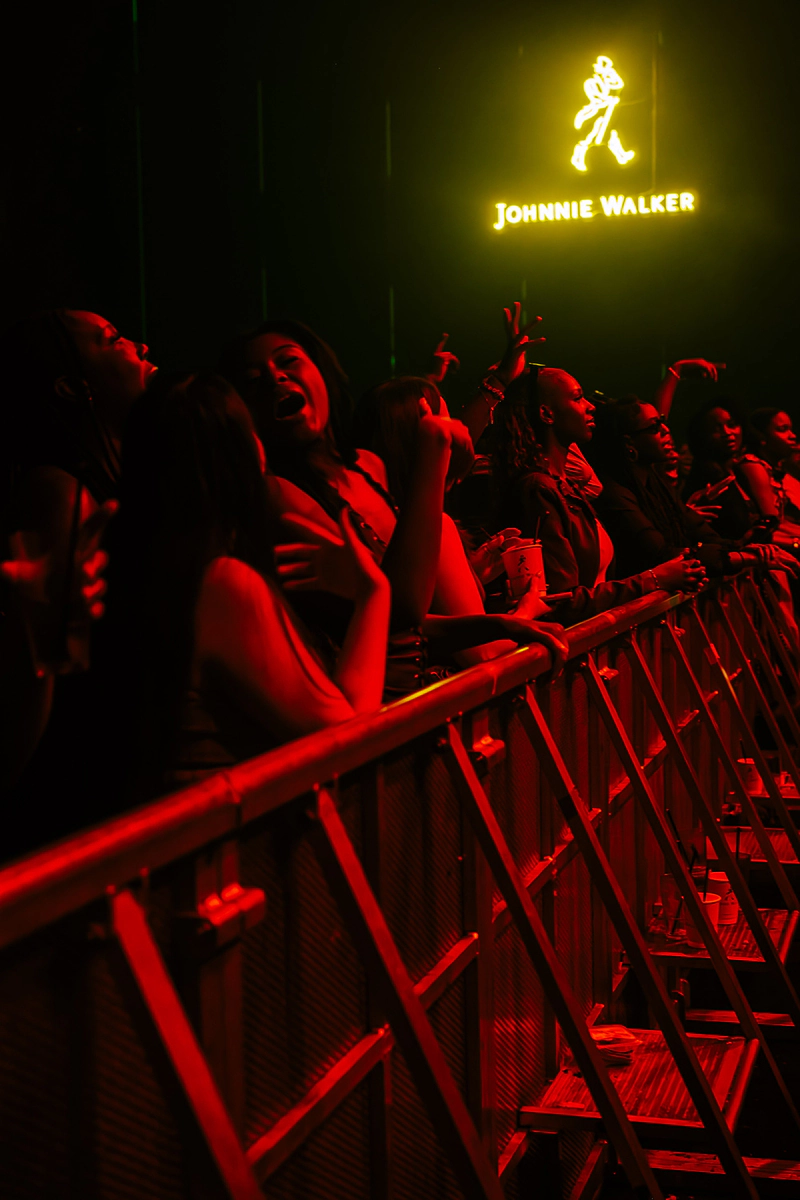
The collaboration between Johnnie Walker and NTS Radio reflects a growing shift in how live experiences are designed—moving from single-location events to city-wide cultural activations. Instead of concentrating audiences in one venue, brands are now orchestrating distributed experiences across multiple spaces, turning entire cities into interconnected stages. This approach creates deeper cultural immersion while increasing accessibility and discovery. As a result, events are no longer just performances—they become platforms that blend culture, community, and brand presence into one cohesive experience.
Why The Trend Is Emerging: Live Experiences Are Evolving Into Cultural Ecosystems, Not Just Events
The shift toward city-wide, multi-venue experiences like Keep Walking Live Manchester reflects a broader change in how people engage with live culture. Audiences are no longer satisfied with single-location, one-dimensional events—they are looking for experiences that feel immersive, exploratory, and socially meaningful. By activating multiple venues and blending global and local talent, brands and platforms are creating ecosystems that encourage movement, discovery, and deeper cultural connection. This model also allows for greater flexibility, inclusivity, and scale, making it more adaptable to both audience expectations and economic realities.
• Traditional festival formats are becoming less flexible and more costly, pushing organizers toward decentralized models that can scale more efficiently.
• Audiences increasingly value discovery and variety, making multi-venue programming more appealing than single-stage lineups.
• Lower ticket pricing, like the £5 model, reduces barriers to entry and drives higher participation across diverse audiences.
• Partnerships with cultural organizations and charities add purpose, making events feel more meaningful and socially relevant.
• Brands are using live experiences as a way to build deeper cultural credibility rather than just visibility.
Virality of Trend (Social Media Coverage):This type of event spreads through a mix of real-time participation and localized content. Attendees share clips from different venues, creating a mosaic of experiences that collectively define the event. Platforms like Instagram and TikTok amplify discovery, while artist-led content extends reach beyond attendees. The distributed nature of the event also creates multiple micro-moments, increasing overall visibility and engagement.
Where it is seen (in what industries):
Live Music & Festivals: Shift toward multi-venue, city-integrated programming.
Brand Marketing: Experiential campaigns designed as cultural platforms rather than one-off activations.
Hospitality & Nightlife: Increased collaboration between venues to create shared audience journeys.
Creative Platforms: Organizations like NTS acting as curators and connectors across spaces.
Non-Profit & Cultural Organizations: Integration of social impact into event models.
This trend is accelerating because audiences want more immersive and meaningful experiences. It matters culturally because it strengthens local scenes while connecting them to global audiences. It creates commercial value by increasing participation and extending engagement across multiple touchpoints. And it pushes brands to move from sponsorship to active cultural involvement. It also raises expectations for live events, where static formats may struggle to compete with more dynamic, city-wide experiences.
Description Of The Consumers: Culture-Driven Explorers Who Value Discovery And Access
The audience drawn to city-wide music experiences like Keep Walking Live Manchester is highly engaged, culturally aware, and motivated by discovery rather than routine consumption. They are not just attending for a headline act—they are participating in a broader cultural journey that spans venues, sounds, and communities. This makes them more dynamic and exploratory compared to traditional festival-goers, with a strong interest in both global talent and local scenes.
• Cultural Explorers are audiences who seek out diverse, emerging, and genre-blending experiences, valuing discovery as much as entertainment.
• They are typically aged 20–40, urban-based, socially active, and comfortable navigating multiple venues and formats within a single experience.
• They actively follow music platforms, artists, and cultural communities, using them as filters to discover what is worth attending.
• They value authenticity and curation, preferring experiences that feel culturally credible rather than overly commercial.
• Their emotional driver is curiosity combined with belonging—the desire to discover something new while being part of a shared cultural environment.
• They are drawn to genres and formats that blend global and local influences, reflecting a more fluid cultural identity.
• Their decision-making is influenced by accessibility (price, location), lineup diversity, and cultural relevance rather than just star power.
This audience drives the success of these events by engaging deeply and sharing their experiences across platforms. Their behavior amplifies discovery and helps smaller artists gain visibility alongside established names. It also supports new event formats that rely on movement and exploration rather than passive attendance. And it reinforces a shift toward experiences that feel curated, inclusive, and culturally connected rather than standardized.
Main Audience Motivation: Seeking Discovery, Belonging, And Meaningful Cultural Participation
At the core of this behavior is a shift from passive attendance to active participation. Audiences are no longer satisfied with simply watching performances—they want to explore, discover, and feel part of a broader cultural movement. Events like Keep Walking Live Manchester tap into this by offering variety, accessibility, and a sense of shared purpose, turning attendance into a more personal and social experience.
• The primary motivation is discovery—finding new artists, sounds, and spaces that feel fresh and different from mainstream offerings.
• A secondary motivation is belonging, where moving across venues and sharing experiences creates a sense of community and connection.
• There is an emotional tension between wanting curated quality and maintaining a sense of spontaneity and exploration.
• This results in active engagement, with audiences moving between locations, sharing content, and participating in multiple moments rather than staying in one place.
• Participation also signals cultural awareness and openness, positioning the individual as connected to evolving music and creative scenes.
In simple terms, audiences are not just attending events—they are navigating experiences. This shift increases the importance of curation, accessibility, and storytelling in event design. It also means that successful formats can generate deeper engagement and longer-lasting impact. And it reinforces the idea that cultural participation is now about exploration, not just consumption.
Trends 2026: The Rise Of Decentralized, Accessible, And Purpose-Driven Live Experiences
Live events are being redefined by a move away from centralized, high-cost formats toward more flexible, distributed, and inclusive models. Keep Walking Live Manchester shows how brands, platforms, and venues can collaborate to create scalable cultural ecosystems that combine accessibility, discovery, and social impact. This signals a broader shift where success is no longer just about attendance numbers, but about depth of engagement, diversity of participation, and cultural relevance.
• What is influencing the shift:Rising costs of traditional festivals and changing audience expectations are pushing organizers toward more flexible, multi-venue formats that can scale without increasing risk. At the same time, brands are looking for more meaningful ways to engage with culture beyond sponsorship.
• Macro trends influencing the shift:Urban cultural ecosystems are becoming more important, with cities acting as hubs for creative activity. Social platforms are amplifying niche genres and local talent, while economic sensitivity is increasing demand for accessible pricing models.
• Is it bringing novelty or innovation to consumers?Yes—this model introduces a more dynamic and exploratory way of experiencing live music, where audiences can shape their own journey rather than follow a fixed schedule.
• Can it create meaningful competitive differentiation?Yes—events that combine accessibility, curation, and social purpose stand out from traditional formats and attract more diverse audiences.
• How can brands operationalize this shift in daily business?By building partnerships across venues, platforms, and communities, and designing experiences that integrate cultural relevance with commercial strategy.
Trend Table: From Single Venues To City Ecosystems — How Live Experiences Are Expanding
Trend Name | Description (Insight-Led Explanation) | Strategic Implications |
Main Trend — “City-Scale Cultural Platforms” | Events expand across multiple venues, turning cities into interconnected cultural ecosystems. | Increases reach, flexibility, and engagement |
Social Trend — “Distributed Experience Sharing” | Audiences create and share multiple moments across locations. | Amplifies visibility and organic promotion |
Industry Trend — “Decentralized Event Models” | Organizers move away from single-location formats toward networked venues. | Reduces risk and increases scalability |
Main Strategy — “Networked Venue Collaboration” | Brands and promoters coordinate across spaces to create unified experiences. | Enhances efficiency and audience flow |
Main Consumer Motivation — “Discovery-Led Participation” | Audiences engage to explore diverse artists and environments. | Drives movement and deeper engagement |
Related Trend 1 — “Accessible Pricing Models” | Low-cost entry increases inclusivity and participation. | Expands audience base |
Related Trend 2 — “Brand-Culture Partnerships” | Brands collaborate with platforms and communities to build credibility. | Strengthens trust and relevance |
Related Trend 3 — “Purpose-Driven Events” | Integration of social impact into event design. | Builds emotional connection and differentiation |
These trends matter because they redefine how live experiences are created and consumed. Together, they shift focus from scale alone to inclusivity, flexibility, and cultural depth. The opportunity lies in building ecosystems rather than isolated events. And the brands that can orchestrate these networks effectively will lead the next phase of live entertainment. It also signals that future success will depend on collaboration, not just individual execution.
Final Insights: Live Experiences Are Evolving Into Platforms That Blend Culture, Community, And Brand Value
We are seeing a shift where live events are no longer just moments of entertainment, but platforms that connect people, places, and purpose. The model used by Johnnie Walker and NTS Radio shows how brands can move beyond visibility into active cultural participation. This changes how value is created—not just through ticket sales, but through engagement, community building, and long-term relevance.
Insights Live events are becoming multi-layered platforms that combine entertainment, discovery, and social connection, creating deeper engagement than traditional formats while extending their impact beyond a single moment.Industry Insight The shift toward decentralized, multi-venue formats is enabling new business models that are more flexible, scalable, and collaborative, reducing reliance on large, high-risk single events.Consumer Insight Audiences are seeking experiences that allow them to explore, participate, and connect, rather than simply attend, increasing the importance of curation and accessibility.Social Insight Distributed events generate multiple shareable moments, amplifying visibility across platforms and turning localized experiences into broader cultural conversations.Cultural/Brand Insight Brands that embed themselves authentically within cultural ecosystems can build stronger credibility and longer-term relevance compared to traditional sponsorship models.
This shift highlights the growing importance of experience design as a strategic capability. It reinforces the need to balance accessibility with quality and cultural depth. It also increases expectations for brands to contribute meaningfully to the communities they engage with. And ultimately, it will define which players can create lasting impact in an increasingly experience-driven economy.
Innovation Platforms: Building Scalable Cultural Ecosystems Through Distributed Experiences
• City-Wide Experience NetworksBrands and organizers design interconnected event systems across multiple venues, requiring coordination between promoters, venues, and cultural platforms. This model allows for flexible scaling, better audience distribution, and increased discovery, while reducing reliance on a single high-risk location and enabling multiple revenue streams across the network.
• Accessible Pricing & Volume ModelsLow-cost ticketing strategies, like the £5 entry model, shift focus from high-margin exclusivity to high-volume participation. This requires strong sponsorship, partnerships, or alternative revenue streams, but significantly expands audience reach and inclusivity while driving overall engagement.
• Brand-Culture Collaboration PlatformsBrands partner with cultural platforms, artists, and communities to co-create experiences rather than simply sponsor them. This approach requires authenticity and long-term commitment but builds credibility, trust, and deeper audience connection, making brand presence feel organic rather than imposed.
• Real-Time Discovery & Navigation ToolsDigital platforms and apps can guide audiences across venues, offering schedules, recommendations, and real-time updates. This enhances the user experience, encourages movement, and maximizes participation across the entire event ecosystem rather than concentrating attention in one place.
• Purpose-Integrated Event ModelsEmbedding social impact—such as supporting organizations like Brighter Sound Ltd—into event design creates additional value beyond entertainment. This requires alignment between commercial goals and social outcomes, but strengthens emotional engagement and differentiates the experience in a crowded market.
These innovation platforms translate the shift toward distributed experiences into actionable strategies that can scale across cities and markets. They enable brands to increase reach while maintaining cultural relevance and authenticity. They also create new revenue models that balance accessibility with sustainability. And ultimately, they position live experiences as long-term platforms rather than one-off activations.
Cross-Industry Expansion: From City-Wide Music Events To The Rise Of “Distributed Experience Economies”
The “Distributed Experience Economy”: Turning Single Touchpoints Into Connected Ecosystems
The model behind Keep Walking Live Manchester reflects a broader shift where experiences are no longer centralized, but spread across multiple locations, touchpoints, or platforms to create a more dynamic and scalable system. This expands the idea of a single event into a network of interconnected experiences, allowing brands and organizations to increase reach, flexibility, and engagement. What started in live music and festivals is now being applied across industries that rely on customer experience and engagement.
• What is the trend: Experiences are designed as interconnected systems rather than single moments, allowing consumers to move between touchpoints and engage more deeply.This creates a layered experience where value is built through exploration, variety, and participation rather than a single interaction.
• How it appeared: It emerged from limitations in traditional centralized formats, such as large festivals or single-location activations, which are costly, less flexible, and harder to scale.As brands and organizers experimented with multi-venue models, the benefits of distributed engagement became clear and transferable.
• Why it is trending: Consumers increasingly value flexibility, discovery, and personalization, making distributed formats more appealing than fixed, one-dimensional experiences.At the same time, technology enables coordination across multiple locations, making these models easier to execute.
• What is the motivation: People want to explore, choose their own path, and feel a sense of discovery while still being part of a larger shared experience.This balances individuality with community, creating a more engaging and memorable interaction.
• Industries impacted:
Retail: Multi-location shopping experiences and city-wide activations drive foot traffic and discovery.
Hospitality & Travel: Distributed experiences across hotels, restaurants, and local venues create richer journeys.
Fitness & Wellness: Programs spread across locations or formats increase engagement and flexibility.
Education & Learning: Modular, multi-format learning experiences replace single-course models.
Entertainment & Media: Multi-platform storytelling and experiences extend engagement beyond one format.
These industries benefit from turning isolated interactions into connected ecosystems.
• How to benefit from the trend:
Design experiences that encourage movement and exploration
Connect multiple touchpoints into one cohesive journey
Use technology to guide and enhance the experience
Balance structure with flexibility to allow personalization
This increases engagement time, satisfaction, and overall value perception.
• What strategy should be to benefit:
Shift from single-point delivery to ecosystem thinking
Build partnerships across locations, platforms, or services
Focus on experience flow, not just individual moments
Measure success based on total engagement across the system
This ensures the experience feels seamless and intentional rather than fragmented.
• Who are the consumers targeted:
Experience-driven, urban, and culturally engaged audiences
Typically 20–45, with interest in discovery and social participation
Comfortable navigating multiple spaces and formats
Motivated by variety, flexibility, and meaningful engagement
These consumers value experiences that feel dynamic, customizable, and socially connected.
The Distributed Experience Economy builds directly on the main trend of city-scale cultural platforms by applying the same logic across industries. It shows that the value of an experience is no longer defined by a single moment, but by how multiple moments connect into a larger journey. This makes it highly scalable and adaptable across different sectors. It also creates new commercial opportunities by increasing engagement depth and duration. And looking ahead, brands that can design and manage these interconnected systems will be better positioned to capture attention and loyalty in an increasingly experience-driven market.


Comments