


Edible-Inspired Beauty Trend: Candy Culture Is Transforming Beauty Into A Sensory Experience
- InsightTrendsWorld

- Apr 13
- 13 min read
H&M x BUBS transforms viral candy culture into a multi-sensory beauty collection
The collaboration between H&M Beauty and BUBS represents a growing trend where viral food culture is being translated into beauty experiences. Inspired by the TikTok obsession with Swedish gummy candies, this collection reimagines sweets as fragrances, textures, and visual aesthetics in cosmetics. Products like lip oils, masks, and body mists replicate candy flavors such as watermelon, bubblegum, and raspberry licorice, creating a playful, nostalgic sensory experience. The result is a category that blends beauty, food, and emotional memory into a single product ecosystem. This transforms beauty from routine into entertainment and indulgence.
This trend reflects a broader cultural shift driven by platforms like TikTok, where viral food trends quickly cross into other industries. Consumers are increasingly drawn to products that are visually appealing, experiential, and emotionally engaging, rather than purely functional. The success of this collaboration highlights how brands can leverage internet-driven obsessions and nostalgia to create high-demand, limited-edition products. Additionally, the emphasis on vegan formulas and collectible packaging aligns with modern expectations of ethical consumption and shareable design. Ultimately, beauty is evolving into a multi-sensory, culture-driven experience.
Key Performance Drivers: Forces Behind Food-Inspired Beauty Growth
• Viral influence of TikTok-driven food trends
• Strong appeal of nostalgia and childhood references
• Demand for multi-sensory beauty experiences (scent, texture, visuals)
• Growth of limited-edition and collectible collaborations
• Consumer interest in playful and experiential products
• Integration of beauty with lifestyle and entertainment
• Preference for shareable, Instagram-friendly packaging
• Rise of cross-industry collaborations (food × beauty)
• Demand for vegan and ethical product formulations
• Desire for emotional engagement through products
These drivers show that beauty is becoming more experiential, emotional, and culture-driven. The focus is on how products make consumers feel, not just how they perform.
Insight: Beauty Is Evolving Into A Multi-Sensory Experience Inspired By Pop Culture And Nostalgia
This shift shows that consumers seek joy and emotional connection in everyday products. It matters because functionality alone is no longer enough. It creates value by combining entertainment, memory, and self-care. Over time, experiential beauty will dominate product innovation.
Why The Trend Is Emerging: Viral Culture, Nostalgia, And Sensory Consumption Are Driving Beauty Innovation
The rise of food-inspired beauty collaborations like H&M Beauty x BUBS is driven by the powerful influence of viral social media culture and nostalgia-based consumption. Platforms like TikTok have amplified global obsessions with visually appealing foods—such as Swedish gummies—turning them into cultural phenomena. Brands are capitalizing on this by translating viral moments into physical products that consumers can experience beyond the screen. This creates a bridge between digital trends and real-world consumption. As a result, beauty becomes a tangible extension of online culture.
Strategically, the trend is also fueled by the growing demand for sensory and emotional engagement in products. Consumers are seeking experiences that stimulate multiple senses—sight, smell, and touch—while evoking comfort, joy, and familiarity. Nostalgia plays a key role, as candy-inspired products tap into childhood memories and emotional associations. Additionally, the rise of “treat culture” positions beauty as a form of self-reward and indulgence, similar to food consumption. This aligns with broader lifestyle trends where consumers prioritize small moments of joy and escapism. Ultimately, the trend emerges from the convergence of digital virality, emotional connection, and experiential consumption.
Key Drivers: Cultural And Behavioral Forces Behind The Trend
• Influence of viral food trends on social media
• Strong appeal of nostalgia and childhood memories
• Demand for multi-sensory product experiences
• Rise of “treat yourself” and indulgence culture
• Blurring of boundaries between industries (food × beauty)
• Consumer desire for joyful, emotionally engaging products
• Growth of limited-edition, hype-driven collaborations
• Importance of visual and aesthetic appeal
• Shift toward experience-based consumption
• Integration of digital trends into physical products
These drivers show that beauty is increasingly shaped by culture, emotion, and sensory engagement. The focus is on creating memorable, shareable experiences.
Virality of Trend: Social Media Amplifies Cross-Category Cultural Moments
The trend spreads rapidly because visually appealing, nostalgic products perform strongly on social platforms, encouraging sharing and replication. Viral food culture easily translates into beauty due to its strong aesthetic and emotional appeal.
Where It Is Seen: Beauty, Fashion, Social Media, And Lifestyle Products
• Beauty collections and cosmetic launches
• Fashion and lifestyle brand collaborations
• TikTok and Instagram content
• Retail and limited-edition product drops
• Influencer-driven product reviews
This visibility shows that the trend spans multiple consumer touchpoints and industries. It is both cultural and commercial.
Insight: Viral Culture Is Driving Cross-Industry Product Innovation
This shift shows that digital trends are shaping physical product development. It matters because brands must respond quickly to cultural moments. It creates value by turning online engagement into real-world consumption. Over time, viral culture will continue to influence product innovation across industries.
Description Of The Consumers: Nostalgia-Driven Beauty Enthusiasts And Social Media Trend Followers Fueling Demand
The primary audience behind the H&M Beauty x BUBS collection is “Nostalgia-Driven Beauty Enthusiasts”, consumers who are drawn to products that evoke childhood memories and emotional comfort. Typically aged 18–35, these individuals actively engage with trends on platforms like TikTok and are highly responsive to products that combine playfulness with aesthetic appeal. They value beauty not just for functionality, but as a form of self-expression and emotional indulgence. Their purchasing decisions are often influenced by how a product makes them feel—joyful, nostalgic, or excited. For them, beauty becomes an experience rather than a routine.
The secondary audience is “Social Media Trend Followers”, a segment that closely tracks viral products and limited-edition drops. These consumers are highly engaged in digital culture and are motivated by exclusivity, shareability, and trend relevance. They are quick to adopt products that are gaining traction online and often act as amplifiers through content creation and reviews. Their behavior reflects a desire to stay culturally relevant and visually aligned with current trends. This expands the trend beyond emotional consumption into social signaling and digital identity.
Audience Profile: Demographics And Behavioral Patterns Driving The Trend
• Age: 18–35 core; extended reach 16–40
• Gender: Predominantly female
• Income: Low to mid (accessible, impulse-driven purchases)
• Education: Digitally native, trend-aware
• Lifestyle: Social, expressive, content-driven
• Behavior: High engagement with beauty and lifestyle trends
• Viewing Habits: Short-form video, influencer content
• Decision Drivers: Nostalgia, aesthetics, trend relevance
• Media Consumption: TikTok, Instagram, beauty content
• Values: Fun, self-expression, emotional connection
• Buying Behavior: Impulse purchases driven by virality
• Expectation Shift: Preference for experiential, shareable products
These consumers prioritize emotion, aesthetics, and cultural relevance. Their behavior reflects a shift toward experience-led and socially influenced consumption.
Insight: Beauty Consumption Is Becoming Emotion-Driven And Socially Amplified
This shift shows that products are chosen for how they feel and how they are perceived. It matters because emotional engagement drives purchasing decisions. It creates value by combining nostalgia with social relevance. Over time, emotion-led consumption will shape beauty trends.
Main Audience Motivation: Joyful Indulgence, Social Expression, And Sensory Escapism Driving Purchase
The primary motivation behind the H&M Beauty x BUBS collection is the desire for joyful indulgence through everyday beauty routines. Consumers are drawn to products that feel like a “treat,” similar to sweets, but without the guilt—transforming cosmetics into a form of safe, repeatable pleasure. Influenced by platforms like TikTok, users seek products that deliver instant emotional gratification and playful experiences. This shifts beauty from a necessity to a moment of escapism and fun. As a result, motivation is rooted in emotion rather than utility.
At the same time, consumers are motivated by social expression and digital visibility. Products with bold packaging, nostalgic references, and unique concepts are more likely to be shared online, turning them into social currency within peer groups. The sensory aspect—flavors, scents, textures—adds another layer, making the experience more immersive and memorable. Additionally, the limited-edition nature of such collaborations creates urgency and exclusivity, further driving demand. This combination of indulgence, expression, and shareability fuels strong engagement and purchase intent.
Key Motivations: Emotional And Behavioral Drivers Behind The Trend
• Desire for “treat-like” beauty experiences
• Need for joy and escapism in daily routines
• Attraction to nostalgic and playful products
• Interest in shareable, visually appealing items
• Desire for social validation and trend participation
• Preference for multi-sensory experiences (scent, texture)
• Motivation driven by limited-edition exclusivity
• Engagement with viral and culturally relevant products
• Desire for self-expression through beauty
• Focus on instant gratification and enjoyment
These motivations show that consumers are prioritizing emotion, experience, and social relevance. The focus is on how products feel and how they are perceived.
Insight: Beauty Is Becoming A Form Of Everyday Indulgence And Social Expression
This shift shows that consumers treat beauty as both personal enjoyment and public identity. It matters because emotional engagement drives stronger connections with products. It creates value by combining pleasure with shareability. Over time, indulgence-driven beauty will shape consumer expectations and brand strategies.
Trends 2026: Beauty Is Becoming Edible-Inspired, Multi-Sensory, And Experience-Led
The H&M Beauty x BUBS collaboration reflects a defining 2026 shift where beauty products are evolving into multi-sensory, edible-inspired experiences. Influenced by viral culture on platforms like TikTok, brands are transforming popular food trends into fragrance, texture, and visual aesthetics within cosmetics. This creates products that go beyond function, offering playful, immersive experiences that engage multiple senses simultaneously. As a result, beauty becomes a form of entertainment and emotional engagement. This marks a transition from performance-driven products to experience-driven consumption.
At an industry level, this trend highlights the rise of cross-category collaborations and limited-edition drops designed for virality. Brands are leveraging nostalgia, cultural moments, and aesthetic appeal to create products that generate buzz, urgency, and social sharing. Additionally, the integration of ethical elements—such as vegan formulations—aligns with modern consumer expectations, adding another layer of value. The convergence of beauty, food, and digital culture creates a hybrid category that blends lifestyle and self-care. This evolution positions beauty as part of a broader experience economy driven by emotion and culture.
Trend Elements: Sensory Engagement And Cultural Virality Reshaping Beauty
• Rise of food-inspired and edible-themed beauty products
• Growth of multi-sensory experiences (scent, texture, visuals)
• Influence of viral social media trends on product design
• Expansion of limited-edition and hype-driven collaborations
• Integration of nostalgia into modern product concepts
• Blurring of boundaries between beauty and lifestyle categories
• Focus on aesthetic and shareable packaging
• Emphasis on emotional engagement over pure functionality
• Alignment with ethical and vegan product standards
• Transformation of beauty into entertainment and self-expression
These elements show that beauty is evolving into a culture-driven, experience-focused category. The focus is on engagement, emotion, and shareability.
Trend Table: Beauty Is Shifting Toward Experiential, Culture-Driven Consumption
Trend Name | Description (Insight-Led) | Strategic Implications |
Main Trend | Edible-inspired, multi-sensory beauty experiences | Develop products that engage multiple senses |
Social Trend | Viral culture influencing product design | Align launches with social media trends |
Industry Trend | Cross-category collaborations (food × beauty) | Partner with brands from other industries |
Main Strategy | Create experiential and shareable products | Focus on aesthetics and storytelling |
Main Consumer Motivation | Joy, indulgence, and social expression | Deliver emotionally engaging experiences |
Related Trend 1 | Nostalgia-driven consumption | Leverage childhood references and memories |
Related Trend 2 | Limited-edition hype culture | Use scarcity to drive demand |
Related Trend 3 | Multi-sensory product innovation | Enhance textures, scents, and visuals |
Insight: Beauty Is Becoming A Cultural And Sensory Experience Rather Than A Functional Category
This shift shows that products are designed to entertain as much as they perform. It matters because emotional engagement drives demand. It creates value by combining culture, nostalgia, and sensory appeal. Over time, experience-led beauty will dominate the industry.
Strategic Implications: Beauty Brands Must Operate At The Intersection Of Culture, Emotion, And Virality
The success of collaborations like H&M Beauty x BUBS shows that beauty brands must shift from traditional product development to culture-driven innovation strategies. Products are no longer launched in isolation—they must be connected to viral moments, nostalgic themes, and digital conversations, especially on platforms like TikTok. This requires brands to move faster, respond to trends in real time, and design products that are inherently shareable and visually engaging. As a result, strategy must focus on creating cultural relevance, not just functional value.
From a broader perspective, brands must also integrate emotion, storytelling, and sensory design into their core offering. This includes leveraging cross-industry collaborations, limited-edition drops, and collectible packaging to generate excitement and urgency. Additionally, aligning with values such as vegan formulations and ethical production enhances credibility and appeal. The ability to create products that function as both personal indulgences and social signals becomes a key differentiator. This marks a shift toward experience-first brand strategies that combine product, culture, and community.
Insight: Competitive Advantage Will Come From Cultural Relevance And Emotional Engagement
This shift shows that functionality alone is no longer enough to stand out. It matters because consumers are driven by emotion and trends. It creates value by connecting products to cultural moments. Over time, brands that master cultural storytelling and virality will lead the beauty industry.
Final Insights: Beauty Is Transforming Into A Playful, Culture-Led, Multi-Sensory Experience Economy
The H&M Beauty x BUBS collaboration confirms that beauty is evolving beyond function into a culture-led, experience-driven category. Consumers are no longer just looking for effective products—they want joy, nostalgia, and entertainment embedded into everyday routines. Influenced by platforms like TikTok, trends now move rapidly from digital spaces into physical products, creating a seamless loop between online culture and real-world consumption. As a result, beauty is becoming a medium for self-expression, indulgence, and social interaction. This redefines the category as part of the broader experience economy.
Execution will determine which brands succeed in this new landscape. Companies that can translate viral cultural moments into tangible, multi-sensory products will capture attention and drive demand. At the same time, those that combine aesthetic appeal, ethical values, and emotional storytelling will build stronger connections with consumers. The ability to create products that function as both personal treats and social signals will be critical. This signals a future where beauty success is driven by culture, emotion, and shareability.
Key Takeaways: Strategic Learnings From Edible-Inspired Beauty Trends
• Beauty is shifting toward experience-led consumption
• Viral culture is driving product innovation cycles
• Nostalgia is a powerful emotional driver of demand
• Multi-sensory design enhances engagement and memorability
• Limited-edition drops create urgency and hype
• Cross-industry collaborations expand brand relevance
• Aesthetic and shareability drive social amplification
• Ethical elements (vegan, clean) add credibility
• Products serve as both indulgence and identity expression
• Culture-driven strategies outperform functional positioning
These takeaways show that success depends on how well brands integrate culture, emotion, and experience into their products. The focus is shifting toward creating memorable, shareable moments.
Insights: Beauty Is Becoming A Cultural, Emotional, And Social Experience Platform
Insights: Beauty is evolving into a multi-sensory, culture-driven experience.Industry Insight: Brands must align product development with viral trends and collaborations.Consumer Insight: Consumers seek joy, nostalgia, and emotional engagement in products.Social Insight: Shareability and digital visibility drive product success.Cultural/Brand Insight: Beauty products are becoming tools for self-expression and identity.
Insight: The Future Of Beauty Lies In Turning Everyday Products Into Cultural Experiences
This shift shows that beauty is no longer just about performance. It matters because emotional and cultural value drive engagement. It creates value by transforming routine into experience. Over time, culture-led innovation will define the beauty industry.
Innovation Platforms: Beauty Innovation Is Driven By Sensory Design, Cultural Translation, And Cross-Industry Collaboration
The success of the H&M Beauty x BUBS collection highlights how innovation platforms in beauty are evolving toward sensory design and cultural translation. Instead of focusing solely on formulation, brands are now translating viral cultural moments—like candy trends—into textures, scents, and visual experiences. Platforms like TikTok act as real-time inspiration engines, where trends are identified, adapted, and rapidly turned into products. This creates a cycle where innovation is faster, more responsive, and deeply tied to consumer culture. As a result, beauty innovation becomes a continuous, culture-driven process.
At the same time, cross-industry collaboration is emerging as a core innovation engine. Partnerships between beauty and non-beauty brands enable the creation of unexpected, high-impact products that stand out in crowded markets. These collaborations combine expertise from different industries—in this case, cosmetics and confectionery—to deliver unique sensory experiences. Additionally, innovation platforms now prioritize aesthetic design, shareability, and emotional engagement, ensuring products perform well both physically and digitally. This signals a future where innovation is defined by how effectively brands merge culture, design, and experience into cohesive offerings.
Innovation Drivers: Key Forces Powering Experiential Beauty Innovation
• Translation of viral culture into physical products
• Focus on multi-sensory design (scent, texture, visuals)
• Role of social platforms as trend discovery engines
• Growth of cross-industry brand collaborations
• Demand for aesthetic and shareable product design
• Integration of emotion and storytelling into innovation
• Rapid product development cycles driven by trends
• Expansion of experience-first product strategies
• Alignment with consumer desire for novelty and fun
• Blurring of product and entertainment categories
These drivers show that innovation is becoming culture-led, sensory-focused, and collaborative. The goal is to create memorable, engaging experiences.
Insight: Innovation Platforms Are Turning Culture Into Scalable Product Experiences
This shift shows that cultural trends are now a primary input for innovation. It matters because speed and relevance determine success. It creates value by transforming viral moments into products. Over time, culture-driven innovation platforms will dominate the beauty industry.
Cross-Industry Expansion: Candy Culture Is Expanding Into Beauty, Fashion, And Lifestyle Ecosystems
The H&M Beauty x BUBS collaboration demonstrates how candy culture is expanding beyond food into beauty, fashion, and broader lifestyle ecosystems. What begins as a viral confectionery trend—amplified on platforms like TikTok—is being translated into cosmetics, accessories, and aesthetic-driven products. This creates a seamless flow where trends move across industries, maintaining their visual identity, emotional appeal, and sensory characteristics. As a result, categories like beauty are no longer isolated—they are part of a connected cultural ecosystem. This convergence allows brands to extend relevance across multiple touchpoints.
At a broader level, this trend reflects how consumer expectations are shaped by experiences rather than categories. Shoppers no longer differentiate strictly between food, beauty, or fashion—they respond to themes, aesthetics, and emotions that resonate across industries. This creates opportunities for brands to collaborate, co-create, and build multi-category product universes that feel cohesive and immersive. Additionally, the scalability of such concepts enables expansion into areas like home goods, accessories, and even digital experiences. This positions cross-industry collaboration as a key growth strategy in the experience economy.
Expansion Factors: Drivers Enabling Cross-Industry Integration And Growth
• Trend: Candy-inspired aesthetics expanding across industries
• Why: Consumers seek emotionally engaging, sensory experiences
• Impact: Creation of multi-category product ecosystems
• Industries: Beauty, food, fashion, lifestyle, retail
• Strategy: Leverage cultural themes across product categories
• Consumers: Trend-driven, social media-active audiences
• Demographics: 16–35, digitally native
• Lifestyle: Expressive, experience-oriented, social
• Buying Behavior: Influenced by aesthetics, nostalgia, and virality
• Expectation Shift: Demand for cohesive, cross-category experiences
These factors show that candy culture is evolving into a cross-industry design language. The ability to extend trends across categories becomes a key driver of brand growth.
Insight: Cultural Trends Are Becoming Scalable Across Multiple Industries
This shift shows that trends are no longer confined to one category. It matters because consumers engage with ideas, not just products. It creates value by enabling brands to expand into new spaces. Over time, cross-industry ecosystems will define how trends grow and sustain relevance.

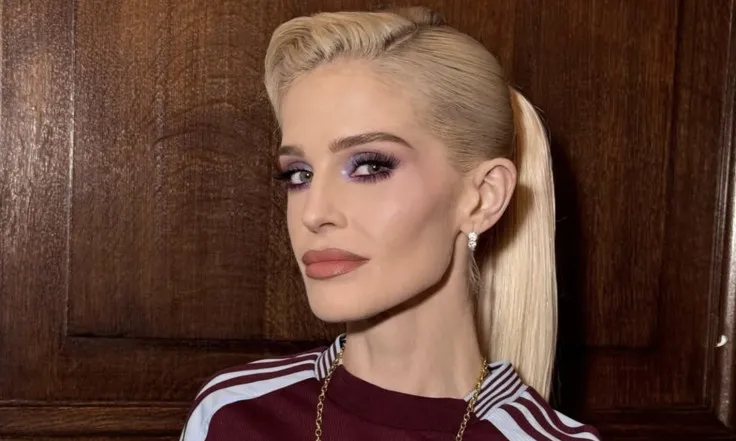


I love how this trend turns beauty into a sensory, nostalgic experience—almost like edible art inspired by childhood memories. It shows how deeply emotion drives consumer choices today. Even in retail spaces like Snellville Jewelry Store, the same idea applies, where presentation and emotional connection matter as much as the product itself.