
Entertainment: Benito’s Boot Camp: The Super Bowl Spanish Sprint is Real
- InsightTrendsWorld

- 2 hours ago
- 11 min read
Why the trend is emerging: The "Bunny Effect" meets Multilingual Mobile Culture. Cultural infrastructure shifting from "Translation" to "Immersion."
We’re officially in the "No Translation Needed" era, where global superstars expect the audience to meet them where they are.
As of February 2026, the rush to learn Spanish isn't just about a 13-minute performance; it's a massive cultural pivot. With 3.3 million superfans in the U.S. and 1.4 million of them identifying as die-hard football enthusiasts, the intersection of "Sports" and "Sabor" is at an all-time high. Bad Bunny’s refusal to switch to English has effectively forced the mainstream to adapt. This trend is backed by Census data showing that over 13% of residents (ages 5+) speak Spanish at home, but the real growth is coming from the "Digital OGs" who treat language learning as a form of social currency and personal protest against anti-immigrant rhetoric.
The $500 Million Revenue Marker: Latin music revenue hit nearly $500 million in the first half of 2025 alone, making it the second-fastest-growing genre in the U.S.
The SNL Ultimatum: Benito’s viral "you have four months to learn" quote sparked a 100,000-signature petition from critics, but also a massive wave of Duolingo sign-ups.
The "Digital OG" Shift: Multi-language keyboard usage on U.S. mobile devices has jumped from 9% to 11% in just two years, showing that Americans are literally changing how they type.
The Grammy Spike: Following his history-making AOTY win this week, Bad Bunny’s catalog saw a 117% spike in streams (36 million in one day) as fans cram for the "Final Exam" on Sunday.
Protest through Pedagogy: For fans like Niklaus Miller, learning Puerto Rican slang is a "form of protest" against the current administration's ICE operations.
Slang Sovereignty: Fans are moving beyond "Spanish" into "Puerto Rican"—learning specific terms like "perreo" and "nuyoricano" to catch every nuance of the performance.
Insights: The New American Fluency: In 2026, knowing Spanish is no longer a "foreign" skill—it’s a "pop culture" requirement.
Industry Insight: The Cultural ROI. Brands are realizing that authentic representation (no translation) drives higher engagement. Using Bad Bunny in ads now signals "Inclusion" to Gen Z and Millennials, who are 33% more likely to consider a brand if it features him. Consumer Insight: The "Immersive" Fandom. Fans no longer want a "curated" version of their idols; they want the raw, un-translated truth, even if it means rewinding a track 50 times to catch a single phrase. Brand Insight: The "Preparation" Pivot. Duolingo’s "Bad Bunny 101" campaign proves that solving a "fan problem" (understanding the lyrics) is more effective than a traditional $8M Super Bowl ad.
The countdown is on: Sunday isn't just a game—it's the world’s biggest Spanish lesson.
Detailed Findings: The "Bad Bunny 101" Data Drop — Slang, Streams, and Social Shifts. The numbers prove that the "Latino Explosion" is actually a "Language Explosion."
While critics call it "Anti-American," the data says Spanish is as American as the 50-yard line.
The 2026 market is literally rewriting the playbook. Duolingo’s "Bad Bunny 101" campaign isn't just a meme—it's a strategic response to a real "Viewer Problem." With more than 100 million viewers expected to tune in, the NFL's choice to go all-Spanish marks a historic milestone. Research shows that 60% of U.S. adults recognize Bad Bunny, and two-thirds agree his performance reflects the massive influence of Latino culture in the States.
Media Signal 1: The Duolingo "Owl" Flex. The "Bad Bunny 101" campaign garnered 149K likes and 74.4K shares on Instagram, proving fans are hungry for "Halftime Prep."
Media Signal 2: The NYC Audio Shuttle. In a wild OOH move, NYC’s S train was wrapped in Duolingo green, playing audio lessons of Bad Bunny lyrics between Grand Central and Times Square.
Awards Signal 3: The 591% Jump. Digital single sales for Bad Bunny skyrocketed 591% after the Grammys, with Debí Tirar Más Fotos leading the charge.
Production Signal 4: The "AOTY" Halo. Winning the top Grammy prize (AOTY) over Lady Gaga and Justin Bieber has solidified Benito as the "Mainstream Anchor" for 2026.
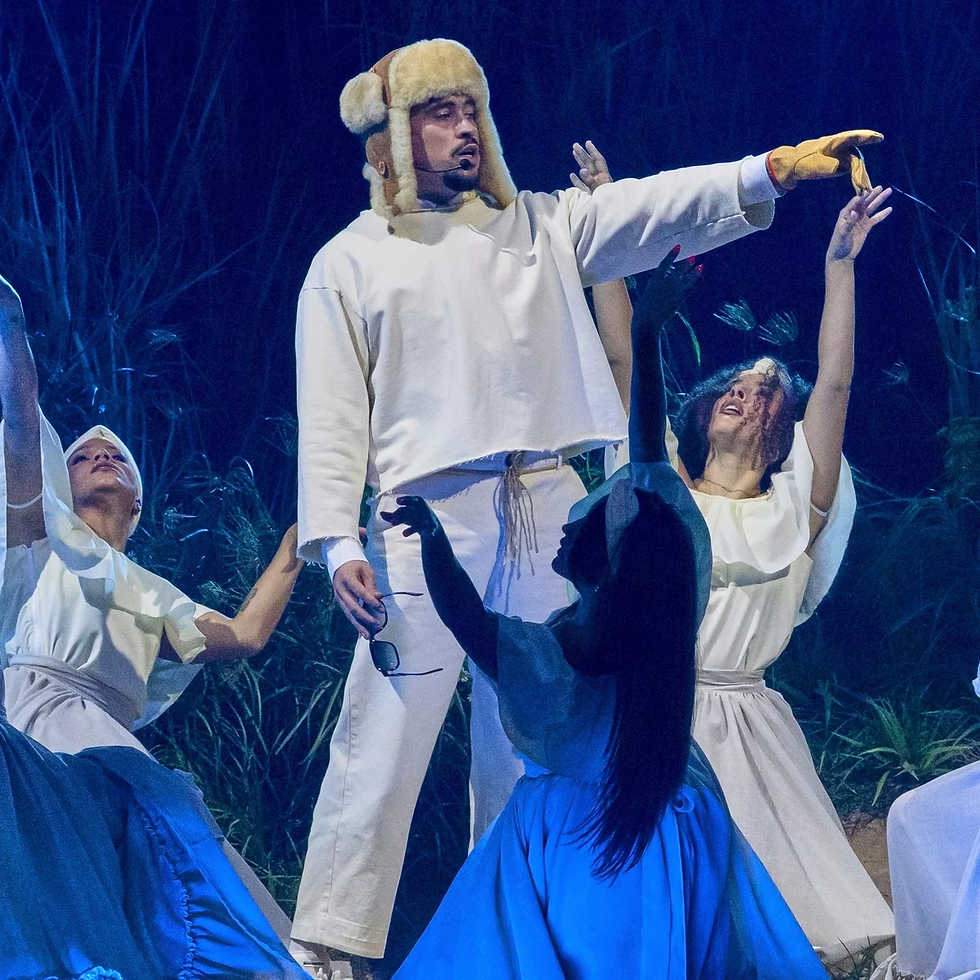
Experimental Signal 5: The "No-Translation" Trailer. Apple Music’s halftime trailer features Benito dancing through PR with zero subtitles, signaling total confidence in the global audience’s effort.
Distribution Signal 6: The Streaming Dominance. Latin music now accounts for 8.8% of total U.S. recorded music revenue, with streaming making up a staggering 98% of that gain.
Signals: The Metrics of the Halftime Hype
Market signal: RIAA reports Latin music is the second-fastest growing genre in America, outpacing the overall U.S. market growth.
Behavioral signal: Fans are using TikTok to document their "Spanish Journey," turning language learning into a viral, communal "Race to the Goal."
Cultural signal: Despite the "All-American Halftime" counter-show by Kid Rock, 60% of respondents view Bad Bunny’s set as a win for mainstream representation.
Systemic signal: The NFL is doubling down on "Global Audiences," prioritizing the 20 billion Spotify streams Bad Bunny holds over traditional local pushback.
Marketing signal: Recall for Spanish-language ads featuring Benito significantly increases among Hispanics and Gen Z, while older demographics remain "Ambivalent."
Insights: The "Authenticity" Premium: In 2026, "Subtitles" are a vibe-killer.
Industry Insight: The Gatekeeper Gap. While political rhetoric hardens, the entertainment ecosystem is moving in the opposite direction, treating Spanish as a "Gateway" to the largest consumer base. Consumer Insight: The "Active" Listener. Fans are evolving from "Passive Listeners" to "Active Learners," with one-third of adults stating they’d buy a brand specifically for its cultural pride creative. Brand Insight: The "Strategic Window." Duolingo’s choice to run ads during the Championship Sunday (at $1M-2M) instead of the Super Bowl ($8M) allowed them to capture the "2-week learning window" perfectly.
The findings are loud and clear: if you’re not brushing up on your español, you’re the one being left behind in the "Culture War."
Description of consumers: The "Slang-Seekers" & The "Latino Loyalists." The 2026 fan who wants the "Soul" behind the "Sound."
Meet the "Generation-B": The fans who view language as a bridge, not a barrier.
The 2026 consumer is the "Generation-B" (Gen-Benito). They are predominantly Gen Z and Millennials (ages 18–35) who have grown up in a post-genre world. They don't just "listen" to Bad Bunny; they "Study" him. They are the "Bilingual-Aspiring" segment who view speaking Spanish as a "social flex" and a mark of cultural intelligence. They are hyper-active on TikTok, where they "rewind a phrase 50 times" just to get the pronunciation of "NUEVAYoL" right. They are also the "Latino Loyalists"—U.S.-born Puerto Ricans and immigrants who feel "seen and appreciated" when non-Latino fans make the effort to learn their slang.
Consumer Name & Archetype: The "Cultural Immersionist"—the fan who treats a concert setlist like a "Final Exam" and views "ICE-out" messages as a call to action.
Demographics: Gen Z, Millennials, and the nation’s 68 million Hispanics (20% of the population).
Life Stage: The "Global Citizen"—they are digital natives who travel (physically or via Spotify) and reject "Nationalist" media silos.
Shopping Profile: "Hype-Driven Spenders"—they are 57% more likely to engage with culturally-resonant media and treat "Artist Merchandise" as a lifestyle uniform.
Lifestyle Profile: They are "Multilingual-Lite"—they might not be fluent, but they use Spanish keyboards, use "Spanglish" in captions, and prioritize "Vibe" over "Verbs."
Media Habits: "Stream-First, Social-Always." They are the ones driving the 117% stream spikes on the Monday after the Grammys.
Impact of trend on behavior: They are shifting from "Casual Listening" to "Intensive Study," turning the Super Bowl into a "Nationwide Language Lab."
Insights: The "Bilingual-by-Choice" Wave: In 2026, Spanish is the "Coolest" elective in America.
Industry Insight: The Fan-as-Translator. The AANHPI and Latino communities are acting as "Cultural Navigators," explaining Puerto Rican slang to non-Spanish speakers on social media and building massive cross-cultural bridges. Consumer Insight: The "Representation" Reward. 60% of fans say this halftime show is "Good for the Soul," proving that "Joy" and "Visibility" are the most effective counters to political tension. Brand Insight: The "Youth-Forward" inclusive signal. Brands that feature Benito are immediately tagged as "Inclusive" and "Trend-Forward," the two most coveted traits for Gen Z loyalty.
Generation-B isn't just watching the Super Bowl; they're "Living" it. By learning the lyrics, they are turning a 13-minute show into a lifelong connection.
What is consumer motivation: The "Agency of Identity" — Why fans are hitting the books. The drive for "Authentic Participation."
Why 2026 fans are ditching the "Google Translate" and doing the work themselves.
The primary motivation for the 2026 fan is "Authentic Belonging." Fans like O’Neil Thomas are motivated by a "fun introduction" to a language they’ve always wanted to learn, while others are driven by "Narrative Agency"—the desire to understand a "Global Voice" without a middleman. There is also a strong "Social Justice" motivation; fans are "firing on all cylinders" to learn lyrics because it feels like a "form of protest" against the targeting of Spanish-speaking communities. They want to prove that "Culture and Language" cannot be stopped by a wall.
Motivation 1: The "SNL Challenge." A direct response to Benito’s "you have four months to learn" quote—it turned a fan moment into a "Competitive Challenge."
Motivation 2: "Prestige Participation." After the Grammy AOTY win, fans want to be "In the Know"—knowing the lyrics is the ultimate VIP status.
Motivation 3: Cross-Cultural Allyship. A drive to show "Proud Support" for the Puerto Rican community during a time of heightened political scrutiny.
Motivation 4: "Cognitive Fluency." The "Type-A" drive to master a difficult task—fans find it "stressful but fun" to nail the fast, "chopped" Puerto Rican dialect.
Motivation 5: The "Party-Ready" Instinct. Fans want to "Perreo" with Purpose—understanding the lyrics makes the "Huge Party" that Benito promised feel more personal.
Motivation 6: Breaking the "Aliens" Myth. A drive to validate the Grammy speech message: "We are humans and we are Americans."
Motivations: The "Fluent" Flex: In 2026, the best fans are the ones who "Press Rewind" to learn.
Industry Insight: The Problem-Solving Brand. Duolingo hit a goldmine because they identified that "Language Friction" was the biggest barrier to the Halftime Show and offered a "Real Solution." Consumer Insight: The "Seen and Appreciated" Factor. When non-Spanish speakers learn the dialect, it creates a "Halo of Respect" that reduces the "us vs. them" narrative in the media. Brand Insight: The "Humanity" Hook. By centering "Humanity" and "Culture" over "Sales," Bad Bunny has created a level of brand loyalty that "Kid Rock" style nationalism cannot touch.
The motivation has moved from "Hearing the Beat" to "Owning the Words." By learning the lyrics, fans are reclaiming a narrative that others are trying to silence.
Trends 2026: The "Spanish-First" Standard — When the "Foreign" becomes the "Foundation."
Summary of the global shift toward "Monolingual-Hispanic" content as a mainstream "Prestige" product.
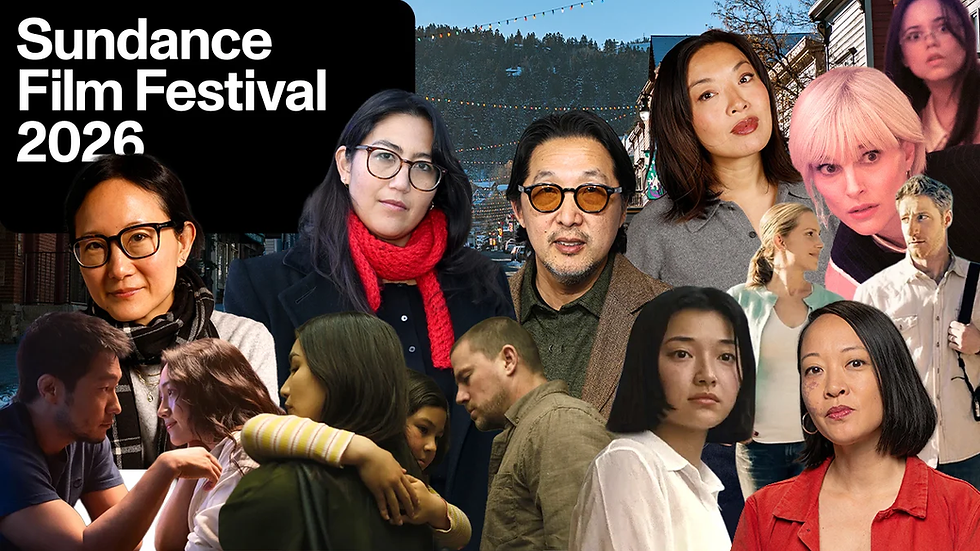
In 2026, the "Latin Explosion" is a misnomer—it’s a "Mainstream Absorption." Sundance 2026 showed it with film, and Super Bowl LX is proving it with music: the most powerful "American" stories are being told in Spanish. The "Bad Bunny Trend" isn't just a 2026 blip; it’s the "Standardization of Multilingualism." We are seeing the death of the "Crossover Album" (where artists had to sing in English to win) and the birth of the "Immersion Era," where the audience does the "Crossover" work.
Core influencing macro trends: The "Un-Translated" Revolution
Economic trends: Latin Music’s "Prestige Pivot"—The 5.9% revenue growth and 98% streaming dominance prove that "Spanish-only" is a high-yield investment.
Cultural trends: The "Nuyorican" Narrative—The rise of "Puerto Rican Specificity" over generic "Latin" labels, led by Benito’s "100 by 35" pride.
Psychological force: The "Delusional" Learner—A generation that believes "everything is figure-outable" via 60-second TikTok tutorials and Duolingo streaks.
Technological force: Keyboard Diversity—The jump to 11% multilingual keyboard usage shows that our phones are literally evolving to match our playlists.
Global trends: The "Anti-ICE" Soundtrack—Music becoming the primary vehicle for political discourse and "Human Rights" visibility in the U.S.
Main Trend: The Immersion Era — Fans Crossing the Language Border
In 2026, we’re done with "Google Translate." Fans are now "Dialect-Diving" because the "King" told them to.
Main Category | Trend Name | Description | Implication |
Main Trend | The Immersion Era | Fans are ditching translated lyrics for "Deep Dialect" study to participate in un-translated cultural moments. | Language is no longer a barrier to entry; it is the "VIP Key" to the 2026 prestige market. |
Main Consumer Behavior | Dialect-Diving | Consumers are specifically seeking out "Puerto Rican Slang" (not just textbook Spanish) to achieve "Hyper-Authenticity." | Content creators must focus on "Regional Specificity"—generic labels are a 2025 "fail." |
Main Strategy | Problem-Solving Marketing | Brands (like Duolingo) are positioning themselves as "Cultural Facilitators" to help fans navigate "Language Friction." | The most successful 2026 ads don't "Sell"; they "Teach" or "Prepare" the audience for an event. |
Main Industry Trend | Monolingual-Prestige | The acceptance of "Spanish-Only" albums (like DtMF) as the highest level of artistic achievement (AOTY). | The "Crossover" album is dead; "Authentic Monolingualism" is the new "Global Standard." |
Main Consumer Motivation | Narrative Allyship | The drive to learn a language as a "form of protest" and a show of support for targeted communities. | Brands that stay "Silent" on cultural identity see recall gains decline, while "Loud" brands win Gen Z. |
Insights: The "Benito-Bonus": In 2026, the "Spanish-Only" star is the "Universal" star.
Industry Insight: The "AOTY" Dividend. By winning the top Grammy, Bad Bunny proved that "Regional Music" is now "World Music." He didn't have to change; the world changed for him. Consumer Insight: The "Social Currency" of Slang. For Gen Z, knowing the difference between "Perreo" and a standard dance is the ultimate "In-Group" flex. Brand Insight: The "Strategic Alternative." Duolingo’s NYC train wrap proves that "Immersive OOH" beats a "30-second TV slot" for building real fan utility.
The macro-trend is clear: the "Super Bowl" is no longer just "Football"—it’s a "Cultural Statement" that requires a new vocabulary.
Areas of Innovation: "Fan-to-Fan Translation" & "Dialect-Specific EdTech" — The Tech of the "Un-Translated."
Next-gen "Language Hacks" designed to bridge the gap between "Textbook" and "Trap."
Innovation in 2026 is about "Regional Nuance." The success of the "Bad Bunny Prep" trend has birthed a new wave of "Micro-Learning" tools. From TikTok "Slang-Translators" to Duolingo’s "Bad Bunny 101," we are moving away from "Grammar Rules" toward "Cultural Rules." The innovation is in the "Auditory Loop," where fans use "Press Rewind" tech to master the "chopped" sounds of the Caribbean.
Innovation Area 1: The "Bad Bunny 101" Syllabus. A new "EdTech" model that teaches "Lyrics as Language," using pop hits as the primary curriculum.
Innovation Area 2: Dialect-Agnostic Keyboards. Tech that auto-suggests regional slang (like "Wepa" or "Boricua") based on the music you're streaming.
Innovation Area 3: "Reverse Crossover" Apps. Tools that help English speakers find "Equivalent Emotions" in Spanish lyrics, skipping literal translation for "Vibe Mapping."
Innovation Area 4: Slang-Sourcing Socials. A massive rise in "Nuyorican" content creators who act as "Cultural Translators" for a global fanbase.
Innovation Area 5: "Anti-Translation" Theater. Film and stage productions (like the Apple Music trailer) that boldly refuse subtitles, forcing "Cognitive Effort" from the audience.
Innovation Area 6: Real-Time "Trap" Tutorials. AI-driven tools that slow down fast-paced reggaeton to help fans master the "chopped" pronunciation of Puerto Rican trap.
Insights: The "Vibe-Map" Innovation: In 2026, the "Feel" is the "Foundational Rule."
Industry Insight: The "Community-Facilitator" Model. Innovation is coming from the "Fans themselves," who are building the infrastructure (TikTok explainers) that the NFL and Apple Music didn't provide. Consumer Insight: The "Rewind" Reflex. The "stressed but fun" effort of learning lyrics proves that the 2026 consumer values "Friction" if it leads to a "Deeper Truth." Brand Insight: The "Utility" Premium. By giving fans "The Words," Duolingo has built more "Brand Love" than any "Traditional Commercial" could ever buy.
The strategic leap is moving from "Watching" to "Wrestling" with the words. By centering the "Dialect," fans have turned language into the ultimate "Halftime High-Score."
Final Insight: The "Slang-Sovereignty" of 2026 — When the "Island" becomes the "Empire."
Consequences: The "Bilingual Default" Era. The death of the "Language Barrier" and the birth of the "Global-First" Consumer.
When the Super Bowl goes Spanish, the "Foreign Language" label is officially retired.
The 2026 Super Bowl Halftime Show isn't just a concert; it's a "National Re-Education." The consequence is a "Post-Translation Marketplace"—brands and media will no longer assume their audience needs (or wants) an English-only experience. Bad Bunny has proven that "Regional Pride" is the most effective "Universal Language." As millions of fans scream "ICE-out" in Spanish on Sunday, the long-term impact will be a U.S. that views "Multilingualism" not as a "political threat," but as the "Pulse" of American greatness.
Awards and Recognition:
Festival Presence: Historically dominant; Bad Bunny’s 2026 AOTY win is the "Cultural Anchor" of the Super Bowl hype.
Wins: Debí Tirar Más Fotos (Album of the Year 2026); First-ever solo Spanish-language Halftime Headliner.
Nominations: Record of the Year and Song of the Year (2026), marking the first-ever "General Field" dominance for a Latin artist.
Critical Infrastructure: Hardened; The NFL’s refusal to "Reconsider" the show despite backlash shows that "Cultural Progress" is now a "Contractual Reality."
Insights: The "100 by 35" Dividend: In 2026, the "Local" is the "Loudest."
Industry Insight: The "Universal" Specificity. By being "unapologetically Puerto Rican," Benito has achieved the highest brand recall of any modern artist, proving that "Trying to please everyone" is a 2025 strategy. Consumer Insight: The "Seen" Factor. For the 68 million Hispanics in the U.S., Sunday is more than a game—it’s "Cultural Sovereignty" on the world’s biggest stage. Brand Insight: The "Learn-or-Lose" Reality. The 117% stream spike and the Duolingo rush prove that the 2026 consumer is "Ready to Work" for the culture they love.
The "Generation-B" has arrived. By "firing on all cylinders" to learn the lyrics, fans have turned the 2026 Super Bowl into a "Boricua Takeover."

Comments