


Liquid Refreshment Boom: Refreshers Become the New Beverage Battleground
- InsightTrendsWorld

- May 5
- 8 min read
Cold, Colorful, Customizable: from traditional drinks to experiential refreshers
Drinks are becoming experiences
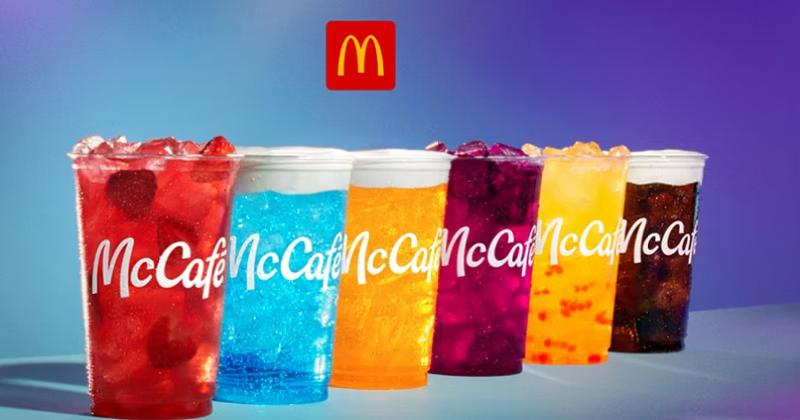
The rapid expansion of refreshers across chains like Dunkin', McDonald's, Chili's, and Shake Shack signals a major shift in beverage culture. According to Datassential, refreshers are projected to grow 130% over the next four years, transforming from niche offerings into core menu drivers.
Emotionally, this trend is driven by a desire for fun, vibrant, and refreshing experiences. Culturally, it reflects the rise of Instagrammable drinks and flavor experimentation. Symbolically, it marks a transition from functional beverages to expressive, lifestyle-driven consumption.
Trend Overview: refreshers dominate menus as experiential beverages rise
• What is happening: refreshers are rapidly expanding across menuso Restaurants are launching multiple variations of fruity, cold, and energizing drinks.o This positions beverages as a key growth category.
• Why it matters: beverages become a major innovation spaceo Drinks offer high margins and fast experimentation cycles.o This makes them attractive for brands seeking growth.
• Cultural shift: from hydration to experienceo Consumers want drinks that are visually appealing and flavorful.o This elevates beverages into lifestyle products.
• Consumer relevance: demand for customization and varietyo Consumers enjoy mixing flavors, bases, and add-ons.o This increases engagement and repeat purchases.
• Market implication: beverage menus become competitive arenaso Chains compete through innovation, aesthetics, and flavor.o This accelerates product development cycles.
Trend Description: flavor, color, and format redefine beverages
• Context: growing importance of beverage-led innovationo Drinks are easier to launch and test than food items.o This encourages rapid experimentation.
• How it works: modular drink formats enable customizationo Consumers can choose bases like tea, lemonade, or milk alternatives.o This creates flexible and personalized experiences.
• Key drivers: visual appeal and social media influenceo Bright colors and unique textures drive shareability.o This boosts organic marketing.
• Why it spreads: low barrier to entry and high consumer interesto Brands can quickly develop new flavors and formats.o This supports rapid trend adoption.
• Where it is seen: QSR, fast casual, and specialty coffee chainso Brands like Scooter's Coffee and Peet's Coffee expand offerings.o The trend spans multiple dining segments.
• Key players & enablers: major restaurant chains and supplierso Chains invest heavily in beverage innovation.o Suppliers enable new ingredients and formats.
• Future: beverages become primary innovation platformso Drinks will lead menu experimentation.o This will redefine foodservice strategies.
Insight: beverages are evolving into the most dynamic category in foodservice
This shows that drinks are becoming central to menus.
It matters because it shifts innovation focus.
The value created is higher engagement and margins.
The implication is that beverages will drive growth.
Why it is Trending: visual culture, customization demand, and low-risk innovation fuel refresher dominance
The explosive growth of refreshers across brands like McDonald's and Dunkin' is not accidental—it’s driven by a convergence of social media aesthetics, flavor exploration, and operational efficiency. Unlike core menu items, beverages offer fast innovation cycles with high consumer visibility, making them ideal for capturing attention in a crowded market.
This creates a powerful behavioral loop:visual appeal → trial → social sharing → repeat purchase → trend amplification
Elements Driving the Trend: aesthetics, flexibility, and experimentation accelerate growth
• Visual-first consumption driving demand for colorful drinkso Bright, layered, and textured beverages perform well on platforms like TikTok.o This turns drinks into shareable content and marketing tools.
• Customization culture increasing consumer engagemento Consumers can mix bases, flavors, and toppings (boba, foam, fruit).o This creates a sense of ownership and personalization.
• Low-risk innovation enabling rapid menu expansiono Beverages are cheaper and faster to develop than full meals.o This allows brands to test trends quickly and frequently.
• Flavor experimentation appealing to novelty-seeking consumerso Combinations like mango-pineapple, blackberry-passionfruit, and floral infusions attract attention.o This keeps menus fresh and exciting.
• Seasonality and limited-time offers driving urgencyo LTO drinks create scarcity and encourage immediate trial.o This boosts short-term sales and engagement.
Virality of Trend (Social Media Coverage): drinks become content engines
Refreshers thrive on platforms like TikTok and Instagram, where color, texture, and motion (pouring, mixing, popping boba) create highly engaging content. This transforms beverages into organic marketing assets, amplifying reach without traditional advertising.
Consumer Reception: experience-driven, novelty-seeking consumers embrace refreshers
• Consumer Description: flavor explorers (the beverage-first audience)
Demographics: digitally active, trend-aware consumers
• Age: 16–40 — strong Gen Z and Millennial dominance
• Gender: All
• Education: medium to high
• Income: varied
Lifestyle: social, experimental, and experience-focused
• Viewing behavior: influenced by social media trends
• Media behavior: engages with visual and short-form content
• Lifestyle behavior: seeks new flavors and experiences
• Decision drivers: aesthetics, novelty, customization
• Values: fun, creativity, self-expression
• Expectation shift: from standard drinks to interactive experiences
Consumer Motivation: driven by exploration, expression, and enjoyment
• desire to try new and unique flavors
• preference for visually appealing products
• interest in customizable and interactive experiences
• motivation to share experiences socially
The trend is gaining popularity because: it combines fun, flexibility, and visibility
• emotional driver: desire for fun and sensory enjoymento Consumers want drinks that feel exciting and different.o This increases emotional connection.
• industry context: beverages as high-margin innovation spaceo Brands prioritize drinks for growth and experimentation.o This accelerates trend adoption.
• audience alignment: preference for personalization and varietyo Consumers want control over their choices.o This drives engagement.
• motivation alignment: need for shareable experienceso Social sharing reinforces consumption behavior.o This amplifies visibility.
Insight: beverages are no longer just drinks—they are social experiences
This shows that consumption is becoming experiential.
It matters because it changes product design.
The value created is engagement and visibility.
The implication is that drinks must entertain.
Trends 2026: drinkification of menus, aesthetic-first consumption, and modular beverage systems redefine foodservice growth
The expansion of refreshers across brands like McDonald's, Dunkin', and Shake Shack signals a structural shift: beverages are becoming the primary engine of innovation and growth in foodservice. Driven by insights from Datassential, three macro trends emerge: drinkification of menus (beverages as core strategy), aesthetic-first consumption (visual appeal driving choice), and modular beverage systems (customizable drink architecture).
The result is a new reality where drinks outperform food in speed, engagement, and experimentation potential.
Trend Elements: modularity, visuals, and flexibility reshape beverage strategy
• Drinkification of menus elevating beverages to core offeringso Drinks are no longer side items but primary revenue drivers.o This shifts menu strategy toward beverage innovation.
• Aesthetic-first consumption prioritizing visual appealo Bright colors, layers, and textures influence purchase decisions.o This makes drinks highly shareable and desirable.
• Modular beverage systems enabling customizationo Consumers can mix bases, flavors, and toppings.o This creates endless combinations and personalization.
• Flavor hybridity expanding taste boundarieso Combinations like floral-matcha, fruit-spice, and “dirty sodas” gain traction.o This encourages experimentation and novelty.
• Functional refreshment blending energy and hydrationo Some drinks include caffeine, protein, or added benefits.o This merges indulgence with functionality.
• Limited-time beverage drops driving urgencyo Seasonal and LTO drinks create excitement and repeat visits.o This increases short-term sales spikes.
• Cross-category innovation blurring drink and dessert lineso Beverages incorporate dessert elements like foam, cream, and toppings.o This expands the role of drinks in menus.
• Social amplification turning drinks into marketing toolso Platforms like TikTok amplify visually striking beverages.o This increases organic reach and brand visibility.
• Operational efficiency enabling rapid iterationo Drinks are easier to produce and modify than food items.o This accelerates innovation cycles.
• Global flavor influences enriching beverage menuso Ingredients like boba, matcha, and tropical fruits gain popularity.o This reflects cultural cross-pollination.
Summary of Trends: foodservice evolves into a beverage-led, experience-driven ecosystem
Main Trend: Drinkification of Menus — beverages as growth engines; strategic implication: prioritize drinks
Social Trend: Aesthetic Consumption — visual appeal drives choices; strategic implication: design for shareability
Industry Trend: Modular Beverage Systems — customizable formats; strategic implication: enable personalization
Main Strategy: Rapid Flavor Innovation — fast experimentation; strategic implication: iterate quickly
Main Consumer Motivation: Exploration & Expression — try, customize, share; strategic implication: create experiences
Cross-Industry Expansion: Experience Economy influencing beverages and beyond
This trend reflects the broader rise of the experience economy, where products must deliver sensory, visual, and emotional value.
This extends into retail, hospitality, and CPG, where customization and aesthetics drive engagement.
Expansion Factors: speed, creativity, and engagement drive growth
• Trend: beverage-led innovation dominates menuso Drinks become central to strategy.o This increases investment in beverage R&D.
• Why: high margins and fast development cycleso Drinks are efficient to produce and test.o This accelerates innovation.
• Impact: increased menu experimentationo Brands launch more frequent variations.o This keeps offerings fresh.
• Industries: QSR, fast casual, specialty coffeeo Multiple segments adopt the trend.o This creates widespread impact.
• Strategy: focus on customization and visualso Products must be flexible and appealing.o This maximizes engagement.
• Consumers: experience-driven, social userso People seek fun and shareable products.o This shapes demand.
• Demographics: strong among younger audienceso Gen Z and Millennials lead adoption.o Their preferences influence menus.
• Lifestyle: social and trend-orientedo Consumption is tied to experiences.o This increases frequency.
• Buying Behavior: impulse and novelty-driveno Consumers try new items frequently.o This boosts sales.
• Expectation Shift: from standard drinks to experienceso Beverages must deliver more than refreshment.o This redefines category standards.
Insight: the future of foodservice growth will be led by beverages, not meals
This shows that drinks are becoming strategic assets.
It matters because it shifts innovation focus.
The value created is engagement and profitability.
The implication is that beverages will lead menus.
Innovation Platforms: beverage modularity, sensory layering, and visual engineering redefine drink innovation
The refresher boom across brands like Dunkin' and McDonald's shows that innovation is shifting toward liquid-first product design. Guided by insights from Datassential, beverages are evolving into flexible platforms where flavors, textures, and visuals can be rapidly combined and reimagined.
This creates a new innovation loop:base format → flavor layering → visual enhancement → social sharing → rapid iteration
In this system, drinks are no longer static products—they are dynamic, customizable experiences.
Innovation Drivers: systems enabling scalable, experience-led beverage ecosystems
• Beverage modularity enabling infinite customizationo Drinks are built from interchangeable components like bases, syrups, and toppings.o This allows brands to scale innovation quickly with minimal operational changes.
• Sensory layering enhancing multi-dimensional experienceso Elements like foam, boba, fruit pieces, and carbonation create texture contrasts.o This transforms drinks into immersive sensory experiences.
• Visual engineering optimizing shareabilityo Bright colors, gradients, and layered aesthetics are designed for social media.o This turns beverages into organic marketing assets.
• Rapid iteration cycles accelerating product launcheso New drinks can be developed and tested quickly.o This keeps menus constantly evolving.
• Cross-category integration blurring food and beverage lineso Drinks incorporate dessert, snack, and cocktail elements.o This expands usage occasions and appeal.
• Functional add-ons expanding utilityo Ingredients like caffeine, protein, and botanicals add perceived benefits.o This merges indulgence with functionality.
• Seasonal and cultural flavor integration increasing relevanceo Floral, tropical, and global flavors keep offerings fresh.o This aligns with consumer curiosity.
• Digital amplification driving awareness and demando Platforms like TikTok accelerate trend adoption.o This increases visibility and reach.
• Operational scalability supporting widespread adoptiono Beverage systems are easier to standardize across locations.o This enables consistent global rollouts.
• Continuous experimentation sustaining competitive advantageo Brands refine and expand offerings based on performance data.o This ensures ongoing innovation leadership.
Summary of the Trend: beverages become modular, scalable, and experience-driven innovation platforms
• Trend essence: Drinkification powered by modularity and sensory design
• Key drivers: customization, visual appeal, rapid innovation
• Key players: McDonald's, Dunkin', Datassential
• Validation signals: rapid menu expansion and projected growth
• Why it matters: shifts innovation from food to beverages
• Key success factors: flexibility, aesthetics, speed
• Where it is happening: QSR, fast casual, beverage chains
• Audience relevance: strong among younger, social consumers
• Social impact: drinks become cultural and digital artifacts
Conclusion: the future of menus is liquid—flexible, visual, and endlessly remixable
Insights: the most successful beverage strategies will focus on modularity, sensory appeal, and rapid iteration.Industry Insight: brands that treat drinks as innovation platforms can scale faster, but must maintain flavor quality and operational consistency.Consumer Insight: people seek drinks that are not only refreshing but also expressive and shareable.Social Insight: beverages function as both consumption items and digital content.Cultural/Brand Insight: the rise of “liquid culture” marks a shift where drinks become the most dynamic and influential category in modern foodservice.


Comments